Realty Executives Elite Homes
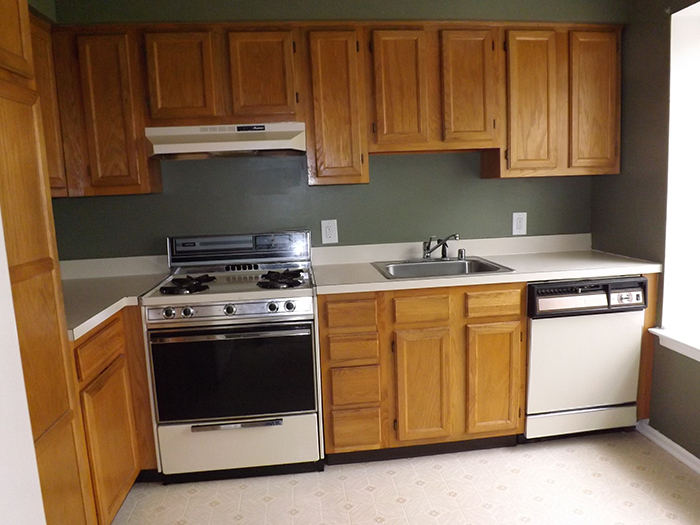
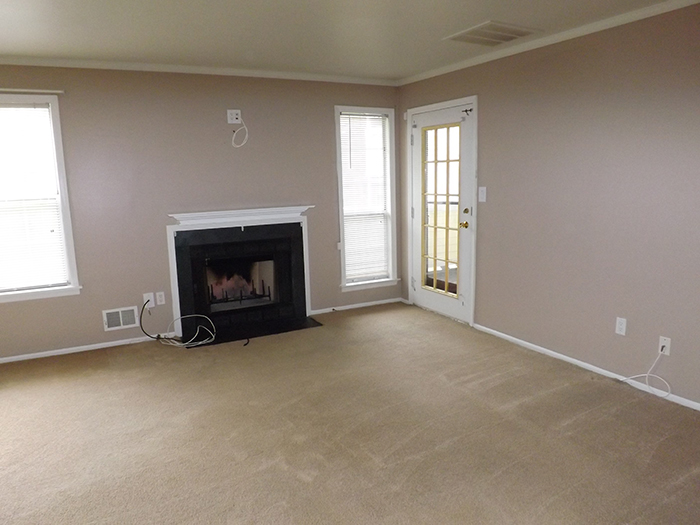
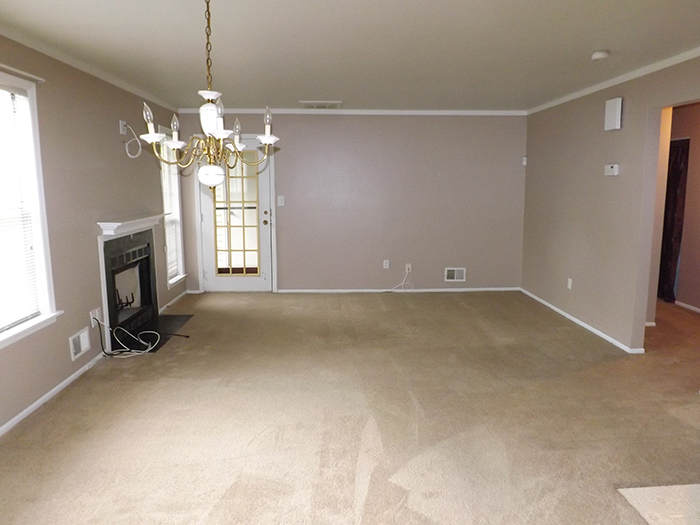
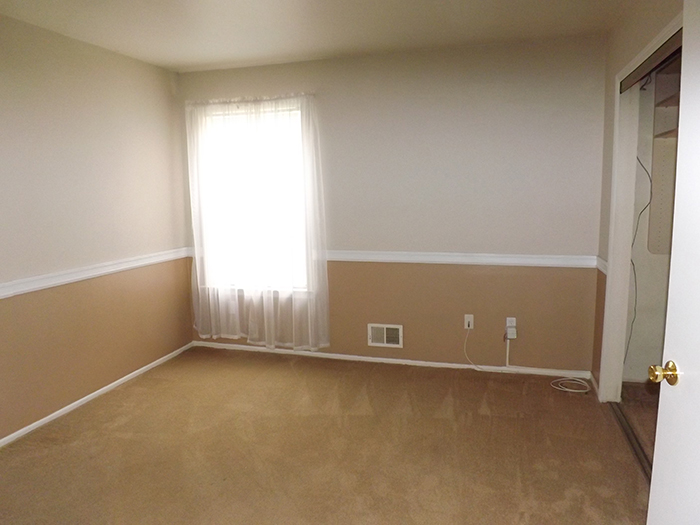
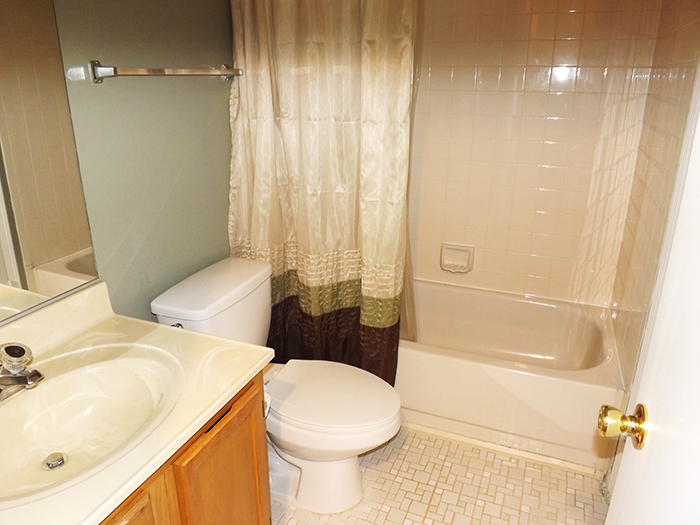
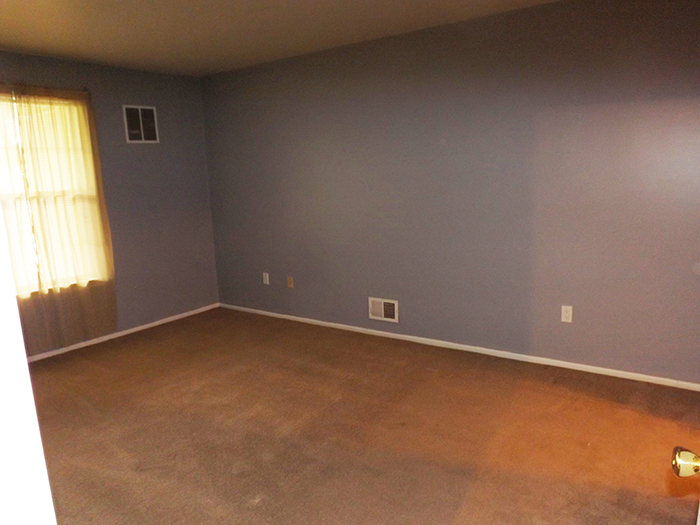
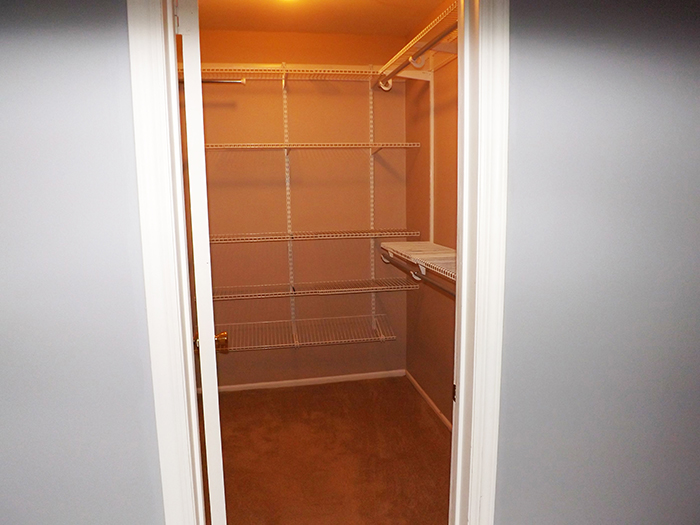
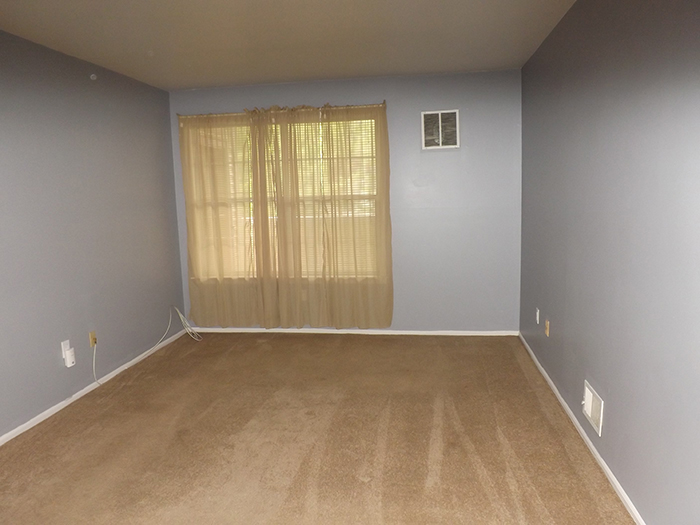
Looking for a nice 2 bedroom unit at the Pointe in Union NJ Call 862-228-0554
Here is an example of how we provide leads to all our agents
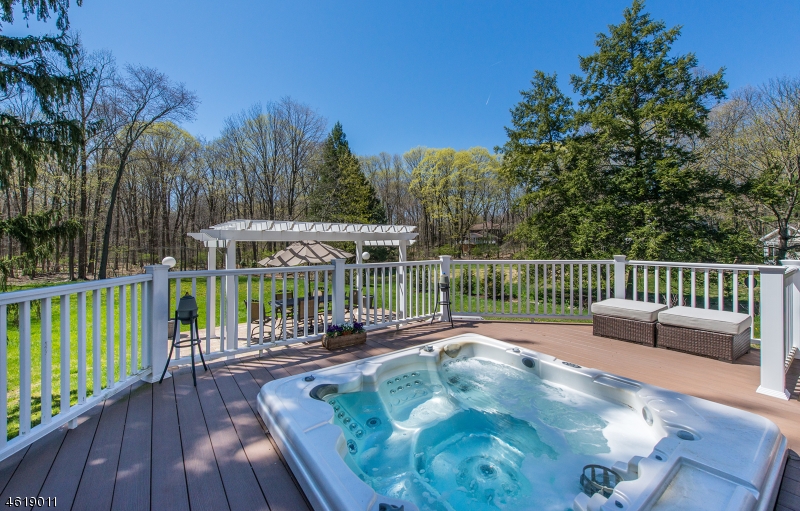
Move right into this must see magnificent center hall colonial sitting on .88 acre of land on a quiet street. Open floor plan, 9ft high first floor ceilings, crown moldings, hw floors with attention to detail.
In recent years, the rental market has been booming. Data from the most up to date U.S. census shows that, over a 10 year period, the number of renters has grown at its fastest rate since 1965. An increase of around 8.5 million renters in the last decade has seen the competition increase and the pressure grow on both renters and landlords. Tenants face fierce competition to find a suitable and reasonably priced home, while landlords try to get the right rental price for their property in an ever increasingly competitive rental market.
Every landlord is running a business, and like every business they try to maximize profits. Sometimes a property’s monthly rental cost seems reasonable, but the utilities and other hidden fees can add up to a sizable extra cost for the tenant. Listed below are some of the hidden costs and add-ons you should look out for before signing a tenancy agreement.
Utilities
Utility bills are often overlooked by new tenants that are excited to move into a property. To understand the overall rental cost of a property, tenants should take the cost of all the utility bills into consideration. State laws differ when it comes to how tenants are billed for utilities, and what happens in the event of missed payments and utility shutoffs.
Utilities can be part of a total, all-inclusive, rental cost and be billed to the landlord. Other rental properties may require the tenant to have the utility bills in their name. In apartments and flats, master meters are often used by landlords to serve the entire apartment block or building and the tenants are billed individually. This is known as third-party billing and is popular with landlords, as they can advertise a base rental cost, but then charge for the utilities as an extra add-on cost
.
Third-part billing regulations
Some cities view third-party billing as deceptive, and introduced legislation to oversee third-party billing. Seattle introduced third-party billing ordinance to cover all residential buildings that contain over three units, in an attempt to combat deceptive landlords from fraudulently overcharging tenants for utilities.
In 1977, the non-profit Tenants Union of Washington State was formed to offer help, information and advice to tenants, in regards to tenancy issues, third-party billing and other issues connected to utility costs.
The advice the organisation offers is not restricted to Washington State. It is advisable that all tenants, regardless of location, follow their advice in regards to utility bills.
– Make sure to ask questions and have a clear understanding of utility services before signing a tenancy agreement
– Act quickly to set up utility accounts
– Always pay utility bills on time and retain all payment documentation
– Take precautions to protect yourself with the landlord
– Try to resolve any utility disputes quickly
Other hidden fees and charges
Some landlords may charge additional fees, other than utilities. Sometimes these fees are optional services and other times they are required by all tenants, depending on the tenant’s specific agreement and situation. These fees can even be related to supply and demand, depending on the competitiveness of the rental market.
Landlords can charge separate fees for parking, and additional costs for any pets at the residence. Landlords may also charge an application fee that must be paid regardless whether a tenant is approved or not.
Condos and apartments that are subject to homeowner’s associations (HOAs), can charge for tenant- occupied units and separate moving in fees. Amenities that are not considered utilities, such as internet access and cable TV, under most state ordinances, may be billed to the tenant as an additional fee from the landlord or HOA.
These additional fees are on top of the security deposit and advanced payment of rent that is required by most landlords, usually the first and last month of rent that is to be paid before a tenant can move into the property. READ MORE
It is with great pleasure that I announce Vanessa Turan has joined Realty Executives Elite Homes, Vanessa comes from a corporate background she used to work for Apple Computers and is well versed in many areas of Real Estate, she specializes in the Pompton Lakes area of NJ but also has vast knowledge of Passaic, Morris, Essex and Bergen Counties please welcome her aboard. you can visit her website at yourpomptonlakesrealtor.com
Realty Executives Elite Homes in Nutley Has The Best Online Presence In Northern New Jersey, And is the only Realty Executives Office Located in Nutley New Jersey 12 Miles Outside of New York City We Focus On NYC Home Buyers Looking For Family Friendly Homes in Essex County, Bergen County & More. We Have Homes in Nutley, Belleville, Clifton New Jersey.
Each office independently owned and operated.