

The past few years have felt unstable for anyone in real estate.
Rates shot up. Then eased. Inventory tightened, pockets loosened, and tightened again. Buyers hesitated. Sellers are anchored to yesterday’s prices.
Freddie Mac’s weekly rate survey has looked less like a smooth curve and more like a heart monitor since 2022, with peaks in late 2023 and partial relief through 2024 and 2025.
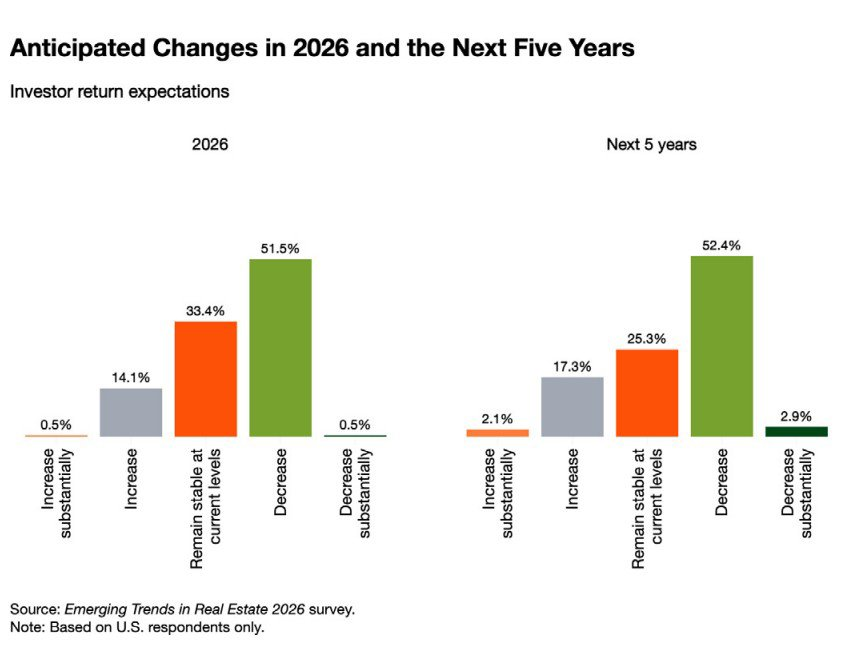
For some agents, that chaos meant stalled pipelines and long weekends refreshing rate charts.
For others, it created space.
A certain kind of agent, practical, data-aware, grounded in their local market, used the volatility to sharpen their advantage. They paid attention to what was changing at street level and adjusted faster than the crowd.
Let’s see how this agent would move in the current market.
What Effective Agents Actually Do Differently
There’s no secret dashboard. No magic app.
An edge in real estate for the next 5 years comes from stacking small advantages.
- Adaptability: When conditions change, they change their strategy. Pricing conversations shift. Offer structures shift, as does marketing.
- Real tech usage: They don’t just subscribe to tools. They use them. CRM tags are clean. Alerts are customized. Automations are tuned to their niche.
- Continuous learning: They track local permits. They read zoning notes. They watch days-on-market velocity, not just median price headlines.
- Proactive communication: They don’t disappear when transactions slow. They educate early and often.
When you talk to one of these agents, the difference is obvious.
They narrow it down to what matters. They connect data to lived reality, school boundary changes, commute times, which builder finishes on schedule, and how long listings are sitting on this side of the highway versus that side.
Strategies That Work in Practice
Great, so we know what attributes set apart a smart agent. Let’s look at the practicalities of how they operate.
Using data and technology to spot early signals
Big data sounds abstract. In real life, it’s simple.
- Tracking price cuts weekly.
- Watching how long properties sit before the first reduction.
- Layering MLS trends with building permits and migration patterns.
Agents don’t really try to forecast GDP. They use the tech available in 2026 to aggregate the data available into real insights. This stems from systems that surface patterns before they’re obvious. CRMs, automated valuation models, and tuned listing alerts are table stakes here.
Christopher Skoropada, CEO of Appsvio, works with companies that rely on structured workflows and automation to remove blind spots in decision-making. He sees the same pattern in real estate.
“The agents who outperform in volatile markets aren’t guessing better. They’re organizing information better. When your CRM is structured correctly, you can see which buyer segments are reactivating, which price bands are getting traction, and which listings are quietly losing momentum. That visibility lets you act weeks earlier than someone who’s just watching headline trends.”
NAR’s technology research consistently shows CRM systems, e-signatures, and social tools as daily-use resources for members.
This is how they notice that price cuts in one zip code are slowing while a nearby one is accelerating. It’s seeing employer hiring announcements before they show up in rent growth. And while 2020’s all-virtual environment has faded, remote-friendly experiences still convert.
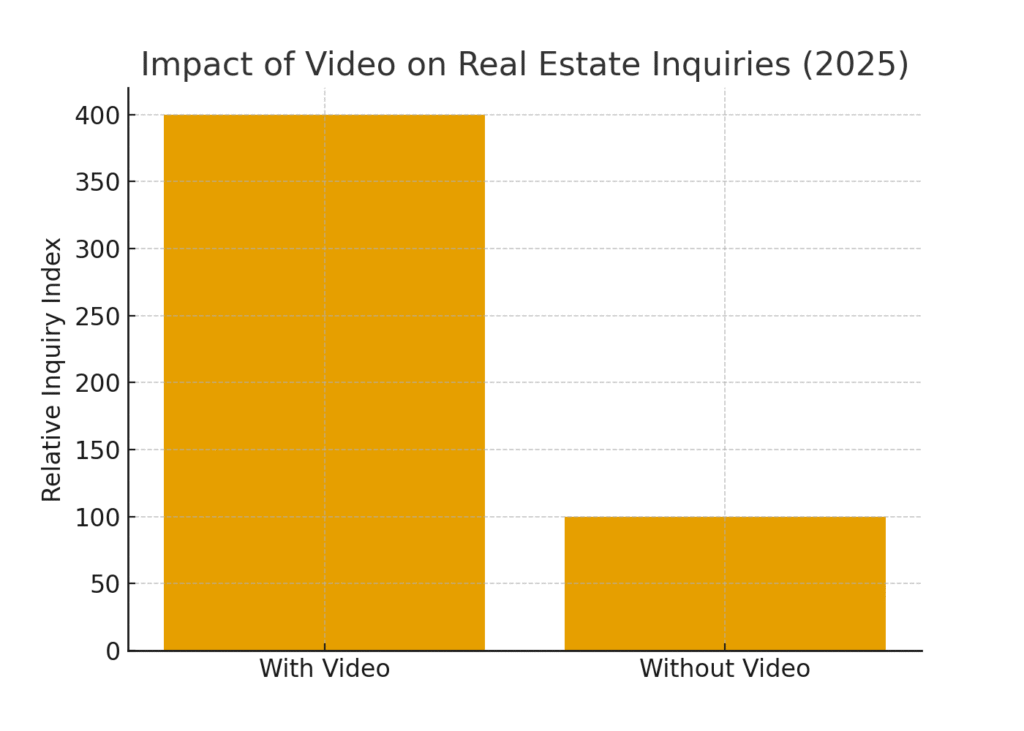
So, the second facet of technology they embrace is 3D tours, and well-produced virtual walk-throughs continue to lift engagement. They remove friction and speed things up for both buyer and seller.
Building trust when confidence is low
In volatile markets, clarity becomes a service.
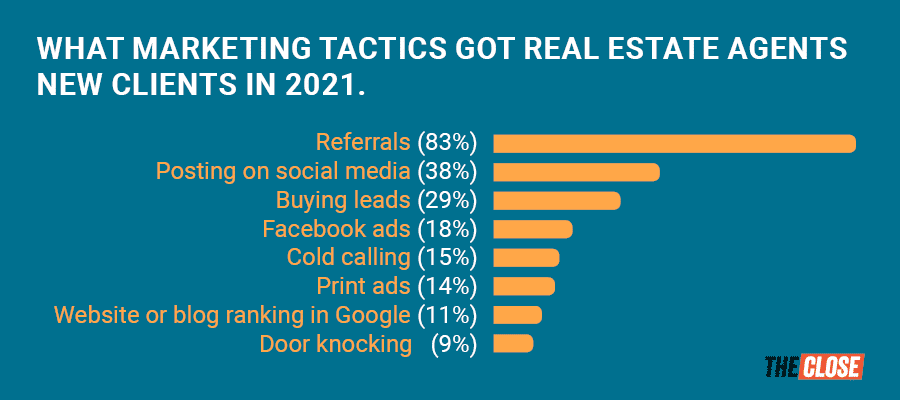
When markets shift, clients need guidance more than transactions. The agents who build lasting businesses are the ones who proactively share market insights and check in regularly, even when there’s no immediate sale. This builds a referral network that thrives regardless of market conditions.
The agents who do this well keep it simple and short, with a well-researched local context. Not a 12-page PDF.
Just: Here’s what moved. Here’s what didn’t. Here’s what I’d watch if I were you.
Referrals and repeat business remain the backbone of production in NAR’s long-running buyer and seller research. That hasn’t changed.
Technology helps manage contacts. But trust converts.
Ryan Walton, Program Ambassador at The Anonymous Project, works with individuals navigating deeply personal transitions, where trust and clarity matter more than surface-level messaging.
“In uncertain environments, people don’t respond to volume. They respond to steadiness. The professionals who earn long-term loyalty are the ones who simplify complexity without minimizing risk. They acknowledge what’s unknown, outline realistic scenarios, and stay present even when no immediate decision is being made. That consistency builds credibility over time.”
Adapting early instead of waiting for certainty
Waiting for “certainty” is a losing strategy. Strong agents walk clients through scenarios instead of pretending there’s a single right answer.
During rate volatility, that means modeling permanent versus temporary buydowns with clear breakeven math and lender coordination.
For sellers, it means pricing to current conditions, not last year’s peak, and using targeted concessions or pre-inspections to reduce time-to-confidence.
Jesse White, General Manager at Balance Point Heating, Cooling & Plumbing, operates in a service business where timing and clarity directly affect revenue. He’s seen firsthand how hesitation costs more than decisive action.
“In volatile environments, delay is usually more expensive than adjustment. We see it when homeowners wait too long to address a system issue because they’re hoping prices settle. The same pattern shows up in real estate,” said White. “The professionals who move early, who reset expectations quickly and explain the math behind the decision, protect their clients from bigger losses later. Clarity beats optimism every time.”
Uncertain markets create information gaps. While others wait for clarity, successful agents educate buyers about long-term value and help sellers understand realistic pricing strategies. They position themselves as market interpreters, which attracts serious clients seeking expertise.
Even small tactical moves matter.
For agents working with investor clients, adaptation isn’t only about financing strategy. It’s also about distribution control. Short-term rental owners who depend entirely on third-party platforms feel every policy change and fee adjustment immediately.
That’s why more investors are learning how to build a direct booking site that gives them ownership over pricing, customer relationships, and repeat business. When markets shift, control becomes an asset in itself.
Teaching eligible buyers about assumable FHA or VA loans can unlock opportunities in higher-rate environments. Tracking ADU-friendly zoning pilots can turn a standard listing into an income-focused strategy.
What’s Next
AI tools are accelerating daily workflows. Agents use them to summarize market reports, draft listing descriptions, and triage inbound leads so no inquiry sits unanswered.
Early research suggests AI assistants can meaningfully lift productivity in service roles. Real estate is already applying that at the first touchpoint.
The next generation of agents will use AI assistants for initial client screening and virtual reality for remote property tours. But technology amplifies human expertise rather than replacing it. Agents who combine high-tech tools with high-touch service will dominate future markets.
Even so, fundamentals remain local.
National data from CoreLogic shows that despite rate swings, home prices posted year-over-year gains in many periods through 2023–2024. Tight supply and local demand still set the tone.
The agents who win match advanced tools to neighborhood-level truth, upgrade their toolkit, and keep the human part intact.
If you’re navigating a market that won’t sit still, the difference isn’t luck. It’s preparation, perspective, and execution.


