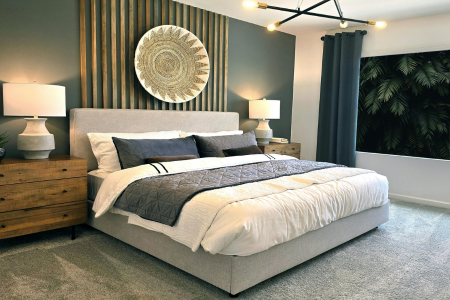
The bedroom is arguably the most important room in a home for wellbeing, yet it’s often the last space to get any real design attention. Between busy schedules and other rooms that feel more “public,” bedrooms can end up as an afterthought, functional but far from restful. A few intentional design choices can change that, turning the bedroom into the genuine retreat it’s meant to be.
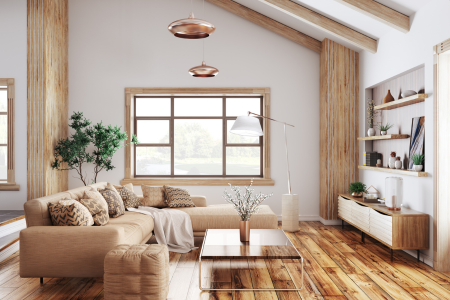
As the weather cools and evenings get longer, there’s a natural pull toward staying in, and few activities capture that better than a good movie night. You don’t need a dedicated media room or a home theater budget to create a genuinely great viewing experience. With a few intentional design choices, almost any corner of a home can become the spot everyone wants to curl up in.
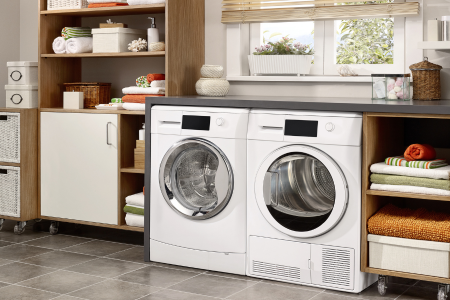
The laundry room is one of the most frequently used, and most frequently overlooked, spaces in a home. It’s easy to treat it as purely functional and leave it at that, but a handful of small, thoughtful upgrades can make the space noticeably more pleasant to use and considerably more efficient, without requiring a full renovation.
Customizing your home can make everyday life more comfortable, functional, and enjoyable. However, if you expect to sell within three to five years, every major project deserves a little extra consideration. The goal isn’t to avoid personalization altogether, but rather to focus on improvements that enhance your quality of life now without making the house harder to sell later.
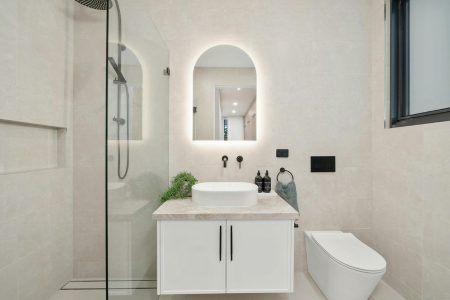
Not every home comes with a spacious bathroom, and that’s perfectly fine. Some of the most striking, well-designed bathrooms are small ones, precisely because smart design choices can make a compact space feel open, airy, and intentional rather than cramped. If your bathroom is on the smaller side, these design tricks can transform how it feels without requiring a full renovation.
As the season shifts, it’s tempting to reach for an entire bin of themed decor, but some of the most elegant seasonal refreshes come from restraint rather than abundance. A few sophisticated, well-chosen touches can shift a home’s entire feel toward something warmer and more inviting, without a single overtly seasonal object in sight.
There’s something about a house that whispers “they don’t build them like this anymore” that just feels right. Maybe it’s the way morning light catches a stained-glass transom, or how a clawfoot tub turns an ordinary bathroom into a retreat. Whatever the reason, homeowners and renovators alike are rediscovering the charm of vintage architectural features, and honestly, it’s easy to see why.
When homeowners think about remodeling a kitchen or bathroom, they often picture major renovations — new cabinetry, countertops, or flooring. Those updates can transform a space, but they come with a significant investment of time and money. Fortunately, there’s a much simpler way to refresh your home: replacing cabinet hardware.
For homeowners of newly built homes, moving in often reveals a surprise: “new” doesn’t always mean “finished for real life.” The most common reasons for home upgrades surface quickly with daily routines, growing families, storage needs, and comfort expectations that looked fine on a floor plan but feel off in practice. The core tension is that new construction renovation can trigger unique challenges, from protecting what was just installed to avoiding conflicts with rules, timelines, and coverage that still apply after closing. Clear post-move renovation planning turns those first changes into calm, confident decisions.
Some home projects stay on the wish list for months because life gets busy. Then summer arrives, bringing longer days, warmer weather, and more opportunities to spend time at home. It becomes easier to notice the little things that could work better, look better, or simply make everyday living more enjoyable.