
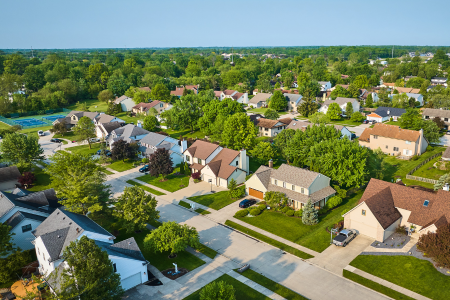
If you’ve ever fallen for a neighborhood before you even set foot in a house, you’re not alone.
For most buyers, choosing where to live isn’t just a spreadsheet decision. It’s a gut check. A vibe. A story you tell yourself about what life could feel like there.
Spend ten minutes on a tree-lined block, and you can almost see your morning routine unfold. Hear a lively café, and you start picturing Friday nights.
That pull matters. Neighborhood choice quietly shapes:
- Daily happiness
- Social circles
- Commute rhythms
- Long-term financial health
And while we talk a lot about square footage and quartz counters, the biggest decision often happens outside the front door.
To understand the psychology behind why buyers choose one neighborhood over another, read on.
Understanding Buyer Psychology
Homebuyer psychology looks at how people make purchase decisions- not to mention the shortcuts and emotions influencing those choices. In real estate, that means the subtle forces that steer someone toward one neighborhood and away from another…even when the homes look similar on paper.
Cognitive biases appear constantly. Confirmation bias nudges us to notice only the details that match our initial impression of an area and to ignore those that don’t.

The availability heuristic makes a recent news story about crime feel more representative than long-term data really shows because it’s easy to recall. Loss aversion can spark “fear of missing out” in hot markets, pushing buyers to stretch for a place simply because others want it.
Underneath all of that sits Maslow’s hierarchy of needs. We start with safety and stability. Then we look for a sense of belonging and esteem. And when we can, we reach for meaning and growth.
In neighborhood terms, that might mean gravitating to places that feel safe, connected, or aligned with our identity. Buyers often evaluate neighborhoods based on how they remind them of (let’s say) positive childhood experiences or represent their aspirational identity.
For instance, a young professional might gravitate toward urban lofts. Why? Because they associate that environment with success and sophistication. Meanwhile, a growing family seeks tree-lined streets. Why? That echoes their own upbringing.
Key Factors for Neighborhood Selection
There are key factors that compel people to choose a particular neighborhood over another. Heed our advice: psychology is involved! That said, here’s what homebuyers usually consider:
1. Community and social identity
We all look for clues we’ll fit in. It’s natural to scan for strollers or skateboards and pickup games or poetry nights and think, “these are my people.”
Social identity theory calls this mirroring. When we see bits of ourselves reflected in a community, the place feels more welcoming and less risky.
People naturally seek neighborhoods where they see themselves reflected, whether that’s through shared interests or common values.
For example, neighborhoods with active community gardens appeal to environmentally conscious buyers. Meanwhile, areas with strong youth sports programs draw families who prioritize those activities. This isn’t about labels. It’s about daily rhythms.
2. Safety and security
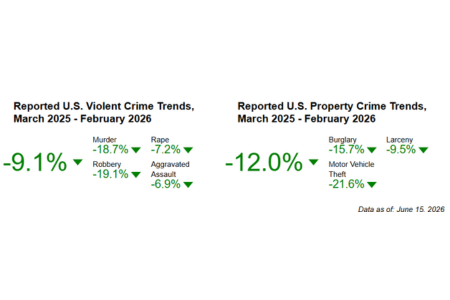
Perceived safety anchors decision-making. Buyers scan crime rates, lighting, foot traffic, and even how well-maintained the sidewalks look. It’s not just rational, it’s primal. Our brains prioritize environments that allow us to relax.
Data helps here. You can explore official statistics in the FBI’s Crime Data Explorer. Many cities publish neighborhood-level reports.
Schools also feed that sense of security. Sandra Black’s influential study found higher test scores measurably boost nearby property values, all else equal.
Buyers often use third-party school resources to start their research. Then, they follow up with visits and conversations.
3. Convenience and lifestyle
Shorter trips mean more life between trips. The average one-way commute in the U.S. hit 27.6 minutes before the pandemic. The longest on record at the time.
That’s nearly an hour a day. It’s no surprise why proximity to work, childcare, groceries, and parks appear as a must-have for many buyers.
Lifestyle alignment matters, too. Some people thrive on the energy of city blocks and late-night ramen. Others exhale when they reach a quiet cul-de-sac at dusk.
The rise of hybrid and remote work shifted those priorities again:
Many buyers now trade shorter commutes for bigger yards or trail access. Meanwhile, others double down on walkable, amenity-rich hubs.
4. Aesthetics and environment
Clean streets, consistent architecture, cared-for public spaces, and green environments tell our brains a neighborhood is stable and loved.
Research continues to link access to urban green space with lower stress and better mental health. The World Health Organization (WHO) summarizes the benefits of urban green spaces for health– from increased physical activity to improved social connection.
Walkability also has a measurable pull. Higher walk scores correlate with higher home values in many markets. Even after accounting for the home’s size and age. This makes sense. Walking to coffee or a corner store turns errands into micro-adventures, and we tend to pay for that daily delight.
5. Technology and neighborhood
Most buyers build a mental map online before they ever lace up their shoes. Social media turns local coffee shops into mini billboards. Neighborhood forums surface both gems and gripes. And proptech tools like AI-powered property valuation make invisible things visible.
For example, someone researching health and fitness topics online may seek neighborhoods with easy access to healthcare services and wellness clinics. Online tools and data can help buyers quickly identify areas that fit their needs.
Further, virtual neighborhood tours and heat maps showing everything from walkability scores to coffee shop density give buyers unprecedented insight before they ever visit in person. These tools help buyers validate their emotional reactions with concrete data.
6. Economic and market
Affordability sets the stage for everything else. Monitoring mortgage rates, property taxes, homeowner’s insurance, and HOA dues all shape a buyer’s map.
When rates rise, buyers often broaden their search or adjust their feature preferences. When rates fall, urgency can creep in. The Freddie Mac Primary Mortgage Market Survey provides weekly rate data.
Market mood plays with our heads, too. In a hot cycle, bidding wars can trigger herd behavior and the sense that “everyone wants in here, so should I.” In slower markets, the same block might feel “less desirable,” even when nothing about daily life there changed.
Long-term fundamentals still matter, like property values and neighborhood resilience over time. The FHFA House Price Index tracks price movements across regions.
The Bottom Line
Neighborhood decisions run on a blend of heart and head. We look for safety and stability, but we also chase identity and belonging. Small daily joys like strolling to coffee or waving to the same dog walker each evening make a difference. The trick is to notice those pulls, then sanity-check them with data and on-the-ground visits.
If you’re shopping now, pause and ask: What does a great weekday look like here? What tradeoffs am I making on purpose? Which of my assumptions need a reality check?
When you balance psychology with practical facts, you’ll pick a place that fits not just your budget, but your life.
About the Author: David Abraham is an accomplished tech lawyer and legal marketing expert with a robust background in artificial intelligence, fintech, human rights law, and digital marketing. An active sports enthusiast, avid reader, and chess player, David combines his legal expertise with marketing acumen to drive innovation at the intersection of law, tech, and business.


