
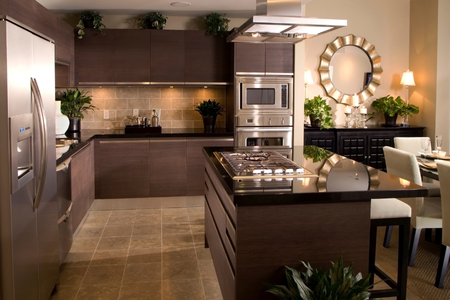
Owning a home comes with endless opportunities to enhance comfort, efficiency, and value. One of the simplest ways to achieve these goals is by investing in appliance upgrades. Modern home appliances aren’t just about convenience, they can save energy, streamline daily routines, and even increase your home’s long-term value.
Whether you’re preparing your home for family life, maximizing energy efficiency, or planning for resale, these five appliance upgrades are worth considering. Each offers practical benefits, and the right choices can make a tangible difference in your day-to-day living.
1. Refrigerator: Efficiency Meets Smart Storage
The refrigerator is often the most used appliance in a household, yet many homeowners delay upgrading it for years. Today’s models offer features far beyond simple cooling: smart temperature controls, energy-efficient designs, flexible shelving, and even connectivity with apps that monitor food inventory.
Why upgrade:
Older refrigerators can be energy hogs, sometimes using 30–50% more energy than modern ENERGY STAR-rated models. Upgrading not only reduces utility bills but also preserves your food better, minimizing waste.
Considerations:
Look for a model with adjustable shelving, humidity-controlled drawers, and separate temperature zones. Smart technology can also alert you if the door is left open or if maintenance is required. For families, this convenience alone can save time and reduce stress.
2. Oven/Range: Cooking Made Smarter
Your oven or range is another kitchen staple that benefits from modern technology. Upgrading to a newer model can improve efficiency, provide faster cooking, and even enhance safety features.
Why upgrade:
Many older ranges lack consistent heat distribution or precise temperature controls. Modern electric and gas ranges provide even cooking, self-cleaning options, and induction cooktops that heat faster while consuming less energy.
Considerations:
If you cook frequently, consider a range with double ovens, convection baking, or smart connectivity that allows remote preheating or recipe guidance. Induction cooktops are particularly efficient and safer for households with children.
3. Dishwasher: Saving Time and Energy
A high-performing dishwasher does more than clean dishes—it streamlines a major household task while conserving water and energy. Many older dishwashers were designed before today’s energy and water standards, meaning they can be surprisingly inefficient.
Why upgrade:
Modern dishwashers are quieter, faster, and gentler on both dishes and the environment. Features like soil sensors, multiple cycle options, and adjustable racks make them versatile and convenient.
Considerations:
Look for ENERGY STAR-certified models and consider size relative to your household’s needs. Some premium models even allow you to customize cycles for specific items, such as wine glasses, pots, or delicate plates.
4. Washer and Dryer: Efficient Laundry, Less Stress
Laundry is one of the most frequent household chores, and upgrading your washer and dryer can transform the experience. New appliances offer improved cleaning, energy efficiency, and water savings—all while being gentler on clothing.
Why upgrade:
Older models can use more water and electricity than necessary and may take longer to complete cycles. Upgrading reduces both utility costs and the wear and tear on your wardrobe.
Considerations:
Front-loading washers often use less water and energy than top-loading models, while high-efficiency dryers reduce drying time. Smart washers and dryers can alert you when cycles are complete and provide remote monitoring, making laundry a little easier to manage.
5. Smart Thermostat: Control Comfort with Precision
While not a traditional “appliance,” a smart thermostat is one of the most impactful upgrades for any home. Heating and cooling typically account for the largest portion of household energy use, and a modern thermostat allows you to control these systems with precision.
Why upgrade:
Smart thermostats learn your schedule, adjust temperatures automatically, and can be controlled remotely via apps. This reduces energy waste, lowers bills, and keeps your home at a consistent, comfortable temperature year-round.
Considerations:
Choose a thermostat compatible with your existing HVAC system. Many offer integration with voice assistants or smart home platforms, adding convenience and even the ability to monitor indoor air quality.
Bonus Considerations for All Upgrades
While these five upgrades offer immediate benefits, a few overarching considerations can make your choices even more impactful:
- Energy efficiency: Look for ENERGY STAR-certified appliances whenever possible. Over time, energy-efficient models pay for themselves through lower utility bills.
- Smart connectivity: Modern appliances often come with apps that allow remote monitoring, cycle tracking, and notifications. These features save time and provide peace of mind.
- Long-term value: If you plan to sell your home in the future, updated appliances are a major selling point. Prospective buyers often value homes with modern, reliable equipment, which can enhance both marketability and resale price.
Final Thoughts
Upgrading home appliances isn’t about keeping up with trends, it’s about improving the way you live every day. From refrigerators that maintain freshness, to ovens that cook efficiently, to smart thermostats that optimize comfort, modern appliances bring convenience, energy savings, and long-term value to your home.
For homeowners, making thoughtful appliance upgrades also reflects a broader approach to maintaining and enhancing your property. By combining practical investments with modern technology, you create a home that’s comfortable, functional, and appealing—both for your family and, potentially, for future buyers.
Even slight changes can make a significant difference. Start with the appliances that impact your household most, and let each upgrade build toward a more efficient, enjoyable, and valuable home in the years to come.


