
Summer brings longer days, backyard gatherings, and plenty of opportunities to enjoy the outdoors. While homeowners often prepare for storms, heavy rain, and winter weather, many overlook another force that can gradually wear down a property: the sun.
Extended exposure to ultraviolet (UV) rays and extreme heat can take a toll on your home’s exterior. Over time, paint fades, wood dries out, roofing materials deteriorate, and landscaping struggles under the relentless summer sun. Fortunately, a few proactive maintenance steps can help protect your investment, preserve curb appeal, and prevent costly repairs.
Start with Your Home’s Exterior Surfaces
One of the first places sun damage appears is on painted and stained surfaces. Exterior paint that once looked vibrant can begin to fade, crack, or peel after years of exposure to UV rays. Wood fences, decks, and trim are especially vulnerable because heat and sunlight can dry out the material and cause warping or splitting.
Take a walk around your home and inspect exterior surfaces for signs of wear. Look for faded paint, cracked caulking, peeling finishes, or exposed wood. Addressing these issues early can extend the life of your home’s exterior and prevent moisture intrusion when seasonal weather changes arrive.
Don’t Ignore Your Roof
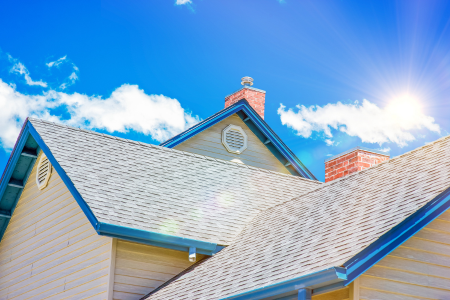
Your roof absorbs more sunlight than any other part of your home. Constant exposure to heat can accelerate aging in shingles and other roofing materials, particularly in warmer climates.
While homeowners may not feel comfortable climbing onto the roof themselves, a visual inspection from the ground can reveal missing shingles, curling edges, discoloration, or other signs of deterioration. If anything appears concerning, consider scheduling a professional inspection.
Protect Windows and Improve Energy Efficiency
Windows endure constant exposure to sunlight, and excessive heat can impact both comfort and energy costs. Inspect weatherstripping, seals, and caulking around windows and doors to ensure conditioned air remains inside where it belongs.
Adding solar screens, UV-blocking window film, or strategically placed exterior shading can help reduce heat gain and improve indoor comfort during the hottest months of the year.
Even small improvements can lower cooling demands and reduce stress on HVAC systems during peak summer temperatures.
Give Your Deck and Fence Attention
Decks and fences are among the hardest-working outdoor features during summer. Between direct sunlight, temperature fluctuations, and outdoor entertaining, these structures can quickly show signs of wear.
Look for:
- Fading or discoloration
- Splintering wood
- Loose boards or railings
- Cracked stain or sealant
- Warping caused by prolonged heat exposure
Reapplying a quality sealant every few years helps protect wood from UV damage while preserving its appearance. Composite materials generally require less maintenance but should still be cleaned and inspected regularly.
Use Landscaping as Natural Sun Protection
Strategic landscaping can do more than beautify a property, it can help shield your home from excessive heat.
Trees, shrubs, and other vegetation provide natural shade that can lower surface temperatures around the home and reduce cooling costs. When selecting plants, choose varieties that perform well in your local climate and require minimal maintenance.
Thoughtful landscaping not only protects your home but also enhances curb appeal and creates more enjoyable outdoor living spaces.
Maintain Outdoor Living Areas
Patios, pergolas, outdoor furniture, play equipment, and pool areas all face intense summer exposure. Plastic materials may become brittle, fabrics can fade, and metal surfaces can become extremely hot.
To extend the life of outdoor amenities:
- Clean surfaces regularly
- Store cushions when not in use
- Apply protective coatings when appropriate
- Replace damaged hardware
- Inspect structures for signs of wear
Research other practical recommendations for using shade and landscaping to improve energy efficiency.
Small Maintenance Today Can Prevent Big Repairs Tomorrow
The effects of sun and heat damage often occur gradually, making them easy to overlook. A faded fence or cracked sealant may seem minor today, but small issues can quickly develop into larger repair projects if left unaddressed.
By inspecting your home’s exterior, protecting vulnerable materials, maintaining outdoor spaces, and using landscaping strategically, you can preserve both the appearance and value of your property throughout the summer months. A little preventative maintenance now can help keep your home looking its best while protecting one of your most important investments for years to come.


