
For homeowners of newly built homes, moving in often reveals a surprise: “new” doesn’t always mean “finished for real life.” The most common reasons for home upgrades surface quickly with daily routines, growing families, storage needs, and comfort expectations that looked fine on a floor plan but feel off in practice. The core tension is that new construction renovation can trigger unique challenges, from protecting what was just installed to avoiding conflicts with rules, timelines, and coverage that still apply after closing. Clear post-move renovation planning turns those first changes into calm, confident decisions.
Quick Summary: Upgrade Smart, Avoid Renovation Risks
- Review your builder warranty before changing anything that could void coverage.
- Confirm HOA rules and get approvals before buying materials or booking contractors.
- Set a clear renovation budget with guardrails to prevent surprise costs and stalled projects.
- Prioritize value-adding improvements that improve daily living and resale potential.
- Watch for common renovation risks early so upgrades stay safe, compliant, and on schedule.
Build a One-Folder System for Warranties, Permits, and Receipts
Those first renovation rules are easier to follow when you can instantly find the paperwork that proves what was done, when, and by whom. Create one folder (digital, physical, or both) for every upgrade and drop in all renovation documents: warranty paperwork for products and workmanship, permits and approvals that keep the work compliant, and receipts/invoices that help you track spending and support future claims. Keep it streamlined by labeling files consistently so you can share them easily with a partner, contractor, or future buyer and quickly understand your project history at a glance.
Saving everything as PDFs helps because the formatting stays consistent across devices, and files are easier to store, search, and send without things getting scrambled. If you’re starting with photos, scans, or mixed document types, a free online tool to convert files to PDF can help standardize everything. With your docs in order, it’s much simpler to choose upgrades that feel great now and still pay off later.
Choose Upgrades That Feel Better Now—and Sell Better Later
The best upgrades make everyday life smoother and look sensible to a future buyer. Use your one-folder system to save manuals, installation invoices, permit signoffs, and before/after photos so every improvement is easy to prove and maintain.
- Start with “not sexy” fixes first: Walk your home like a fussy buyer- look for sticky doors, minor leaks under sinks, loose railings, poor drainage, and missing caulk. A report on how buyers respond to visible neglect is a good reminder that cosmetic upgrades don’t land as well when basic conditions look questionable. Knock out the small repairs in a weekend, document them, and then move to the fun stuff.
- Add a smart “core,” not a gadget collection: Prioritize smart home upgrades that reduce daily friction: a video doorbell, smart thermostat, smart deadbolt, leak sensors at the water heater and under sinks, and a couple of smart switches for high-use lights. Keep it simple: one hub/ecosystem, one family-friendly set of automations (like “Goodnight” to lock doors and turn off lights), and label devices in the panel and your folder.
- Air-seal and insulate before upgrading HVAC: Energy-efficient renovations that stop drafts often feel like comfort upgrades right away with quieter rooms, fewer hot/cold spots, and less dust. Focus first on attic hatch weatherstripping, can-light covers (if applicable), and attic insulation, then check rim joists and obvious penetrations. Research reflecting a 42.3% energy bill reduction shows how powerful combined insulation measures can be when you do them together.
- Upgrade lighting like you’re staging your routines: Swap builder-grade fixtures in the entry, dining area, and primary bedroom for simple, timeless designs, and add dimmers in living spaces. In kitchens and baths, aim for bright lights, perhaps task lighting, near mirrors and counters. This helps morning and bedtime routines run smoothly. Keep every spec sheet and warranty in your folder so replacements match later.
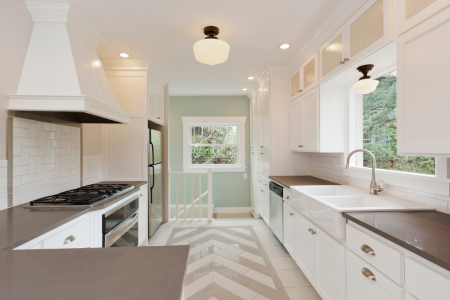
- Kitchen refresh: improve function without moving plumbing: For kitchen remodeling ideas that generally pay off, keep the layout and upgrade what you touch: a deeper single-bowl sink, a pull-down faucet, drawer organizers, and under-cabinet lighting. If cabinets are solid, consider new hardware and a durable backsplash rather than a full gut job. A fresh, easy-to-clean workspace is a daily win and reads “well cared for” at resale.
- Bathroom upgrades that feel like a mini spa (and prevent damage): Replace builder mirrors and vanity lights, upgrade the showerhead, and re-caulk/replace grout where water sits. Add a quiet, properly vented bath fan on a timer to protect paint and drywall, this is comfort and maintenance in one. Stick with classic finishes so you’re not dating the room.
- Boost storage where it bottlenecks family life: Add closet shelving systems, a mudroom-style drop zone by the garage, and overhead garage racks- projects that don’t require major permits but dramatically reduce daily clutter. Choose durable, wipeable surfaces and hooks at kid height. Take photos of what’s behind the drywall or anchored to studs and file them for future repairs.
- Curb appeal with low-maintenance landscaping and drainage: Define garden beds, add mulch, and plant a few hardy shrubs rather than high-maintenance florals. Confirm downspouts move water away from the foundation and that soil slopes away from the house; drainage issues can scare buyers quickly. Keep any landscape lighting or irrigation notes in your folder so seasonal maintenance is painless.
Renovation FAQs New Homeowners Actually Ask
Q: How do I file a builder warranty claim without getting the runaround?
A: Start by finding the warranty booklet and the exact reporting method required, then submit issues in writing with dated photos and short videos. Keep one email thread per problem so timelines stay clear. Ask for a scheduled walkthrough date and a written scope of what will be repaired.
Q: When should I check HOA rules before upgrading?
A: Check before modifying anything visible from the street or shared areas, like exterior lights, cameras, fencing, doors, or landscaping. Many headaches are avoided when you review HOA rules and request approval early with product photos and a simple sketch.
Q: What should I do when my renovation costs start creeping up?
A: Pause and reprice the whole job, not just the line item that spiked, then decide what you will reduce, delay, or swap. Add a buffer for surprises and require written change orders before any extra work begins.
Q: How can I reduce the risk of leaks, mold, or electrical issues after upgrades?
A: Use licensed pros for plumbing and electrical, pull permits when required, and insist on a final inspection sign off. For DIY, follow manufacturer instructions, test shutoffs, and document what you installed and where.
Q: Should I start upgrades right after moving in or wait?
A: Start with safety and moisture control right away, then wait on big layout changes until you learn how your family uses the space. Living there for a few weeks often prevents expensive do overs.
Start Smart: One Safe Upgrade That Builds Real Confidence
A new home brings plenty of excitement, but renovations can suddenly feel risky when warranties, HOA rules, and budgets collide. The steadier path is thoughtful renovation planning combined with a renovation best practices summary and safe home upgrade strategy to make decisions before the dust starts flying. When that mindset leads, timelines get calmer, surprises get smaller, and homeowner confidence becomes the norm rather than the exception. Plan first, spend second, and protect what your home already does well.


