
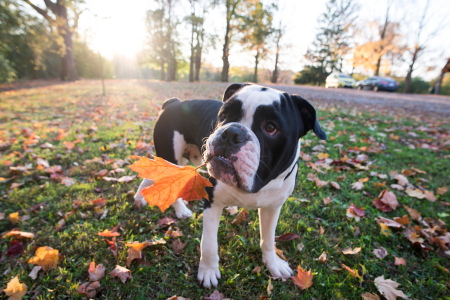
Fall brings a lot of seasonal fun, cooler walks, Halloween festivities, and the return of cozy indoor evenings, but it also introduces some seasonal hazards worth keeping an eye on if you share your home with a pet. A little awareness this time of year goes a long way toward keeping furry family members safe and comfortable.
Keep Halloween Candy Out of Reach
Chocolate, xylitol (a common sugar substitute found in many candies and gums), and raisins are all toxic to dogs, and chocolate poses risks to cats as well. With more candy in the house than usual during Halloween season, it’s worth being extra vigilant about keeping bowls and wrappers well out of paw’s reach. If you suspect your pet has ingested something toxic, contact your veterinarian or a pet poison hotline immediately rather than waiting to see if symptoms appear.
Be Mindful of Halloween Costumes and Decorations
If you dress up your pet for Halloween, make sure any costume fits properly, doesn’t restrict movement or breathing, and doesn’t include small, chewable parts that could be swallowed. Decorations also deserve a second look through a pet’s eyes: candles (a tipping hazard for a curious cat or an enthusiastic dog’s tail), string lights (a chewing risk), and fake cobwebs (a potential choking or ingestion hazard) are all worth keeping out of reach.
Manage Halloween Night Stress
A steady stream of costumed visitors and frequent doorbell rings can be genuinely stressful for many pets. Consider keeping anxious pets in a separate, comfortable room during peak trick-or-treating hours, away from the front door. This protects both your pet’s stress levels and prevents an anxious pet from darting outside when the door opens repeatedly.
Update ID and Microchip Information
With doors opening frequently on Halloween night, this is a good seasonal reminder to double-check that your pet’s collar tags and microchip information are current. A startled pet bolting out an open door is more likely to be safely returned home when identification is accurate and up to date.
Adjust for Shorter, Darker Days
As daylight hours shrink, evening walks increasingly happen in low light or darkness. A few adjustments help keep pets visible and safe:
- Use a reflective collar, harness, or leash for evening walks
- Consider a small clip-on light for extra visibility
- Stick to well-lit, familiar routes as daylight decreases
Watch for Dropping Temperatures
As temperatures start to cool, especially in the evenings, pay attention to how your pet responds to outdoor time. Short-haired breeds, very young or senior pets, and smaller dogs in particular may need a sweater or coat for outdoor walks sooner than you’d expect. Watch for signs of discomfort like shivering or reluctance to keep walking.
Rake Piles Carry Hidden Risks
Piles of raked leaves can look like an inviting place to play, but they sometimes hide hazards like sharp sticks, mold, or even small wildlife. Keep an eye on pets around large leaf piles, and be cautious of mold growth in piles that have been sitting for a while, which can cause respiratory irritation in sensitive pets.
A Season of Small Precautions
None of these fall pet safety considerations require major changes to your routine, mostly just a bit of extra awareness during a season with more visitors, more darkness, and more temptation lying around the house.
With a little preparation, fall can be just as enjoyable for pets as it is for the rest of the household, cozy walks, festive fun, and all.


