
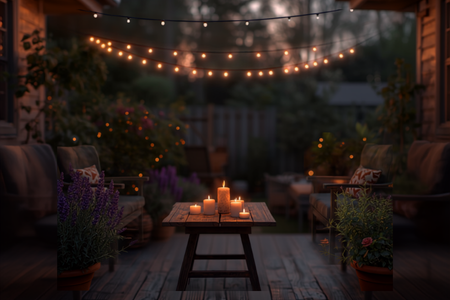
Summer often changes how a home feels day to day. Doors stay open longer, meals move outside more often, and there’s usually more movement between the house, the yard, and everything in between. Along with that shift, insects tend to become more noticeable around the spaces you use most.
Most of the time, it’s not one single issue causing the problem — it’s a mix of small conditions around the home that quietly make outdoor areas more active than expected. A few simple changes around the yard and entry points can help keep things more comfortable through the season.
Clear Out Standing Water Around the Yard
After rain or watering the garden, small pockets of water often remain in places that are easy to overlook — flowerpot trays, buckets, toys left outside, and low spots in the yard. Even small amounts of standing water can bring more mosquito activity closer to patios and sitting areas than most homeowners expect. The EPA’s mosquito control guidance notes that eliminating standing water is one of the most effective ways to reduce mosquito breeding around a home.
A quick walk around the yard every so often makes it easier to spot these areas early. Emptying containers and keeping gutters clear helps reduce the conditions that attract insects in the first place.
Choose Plants That Naturally Fit Outdoor Living Areas
Some plants do more than add color to the yard. Lavender, rosemary, mint, basil, and citronella are common choices near patios and walkways, in part because they help make the space feel more comfortable during the evenings. If you already grow herbs for cooking, placing them closer to your outdoor dining area makes them easy to use while supporting the overall feel of the space.
Clean Up After Outdoor Meals
After spending time outside, it’s easy for small things to get left behind — a few crumbs on the table, an open drink, food left uncovered. Wiping down surfaces and clearing food soon after eating helps reduce what draws insects back into the area, especially around grills and outdoor cooking spaces where scents tend to linger.
Keep Outdoor Spaces From Getting Too Dense
When plants and grass grow thicker during the season, shaded spots start to appear around the yard. These areas tend to hold more moisture and become places where insects settle more easily. Keeping grass trimmed, clearing fallen leaves, and lightly pruning shrubs near the house helps open up airflow and reduces the spots where insects can move closer to indoor spaces.
Make Outdoor Seating More Comfortable
A fan near a patio or porch can make a noticeable difference on warmer nights when insects are more active. Citronella candles or similar options near seating areas can add to the effect — these small additions work best when used together rather than on their own.
Check the Small Openings Around the Home
When insects show up indoors, they often get in through small gaps that are easy to miss during everyday routines. Screens, door frames, vents, and utility openings can loosen over time, so a quick check around these areas periodically helps catch issues early.
A More Comfortable Home Through the Season
When outdoor spaces stay clean, plants are well kept, and entry points are checked occasionally, the whole home feels easier to live in during warmer months. These small habits add up — fewer interruptions outside, fewer pests indoors, and a smoother flow between both spaces.
If pest issues around your home point to bigger maintenance questions — drainage, landscaping, or exterior upkeep — a Realty Executives professional can often point you toward resources or trusted local contacts as part of broader homeownership support.


