
By Harley Grandone
For most of my life, work meant long hours, commuting, traffic, and spending most of the day away from home. I dreamed of slower mornings with coffee, comfortable clothes, and no traffic jams. Then I finally landed what felt like my dream job: becoming a remote writer and blogger.
But like many remote workers, I quickly realized my home wasn’t designed for full-time work. My bedroom became my office, laundry piles sat a little too close to the Zoom camera frame, and my kitchen somehow turned into both my break room and a constant distraction.
That experience is exactly why remote work has changed what many people now want in a home. Buyers are thinking less about commute times and more about comfort, privacy, flexibility, and how a home supports everyday life when you spend far more time in it.
Remote Work Isn’t Going Anywhere
Remote work isn’t just a temporary trend anymore. It has completely changed the way many people live, work, and search for homes. According to recent research, roughly 34 million Americans, or about 22% of the workforce, are still working remotely in some capacity.
What’s interesting is that those numbers have stayed fairly steady over the last few years, showing that remote work has become part of everyday life for millions of people. That means homebuyers are adjusting what they want from a house.
Buyers are no longer searching for homes centered around shorter commutes or good school districts. Instead, they’re looking for homes that support the reality of everyday life when work and home happen under the same roof.
Buyers Are Choosing Lifestyle Over Commute Times
Without the pressure of commuting every day, many buyers are leaving crowded cities for suburbs, smaller towns, and quieter areas where they can afford larger homes, bigger yards, and more outdoor space. Instead of buying homes around work schedules, many people are now choosing homes based on the lifestyle they want long term.
Remote Work Is Also Affecting Housing Costs
At the same time, the growing demand for homes with office space and flexible layouts has pushed prices higher in some previously affordable areas. And while many workers love the flexibility of remote work, some buyers are still hesitant to make major moves because of uncertainty around possible return-to-office policies.
Dedicated Home Offices Are Becoming a Must-Have
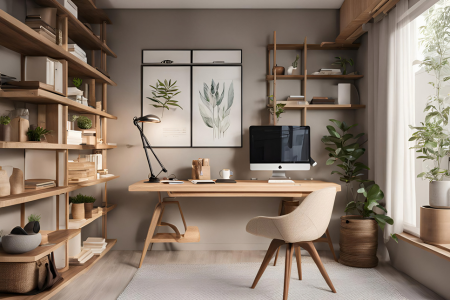
One of the biggest changes remote work created is the demand for dedicated office space. Kitchen tables and makeshift desks may have worked temporarily, but many people quickly realized they needed privacy and separation from household distractions.
Today’s buyers are looking for spare bedrooms, finished basements, quiet corners, and even Accessory Dwelling Units (ADUs) that can function as workspaces. Some buyers are even moving away from completely open-concept layouts because remote work has made privacy and quiet space more valuable again.
Features like natural lighting, sound separation, and reliable internet connections are becoming major priorities as homeowners try to create workspaces that feel calm, functional, and separate from everyday chaos.
Smart Homes Are Making Remote Work Easier
As remote work continues to grow, many homebuyers are also paying closer attention to smart home technology and how it supports everyday life.
- Smart thermostats
- Voice assistants
- Automated lighting
- Video doorbells
- Strong Wi-Fi setups can make remote work feel smoother and less stressful throughout the day.
- Adjustable standing desks
- Ergonomic office workspaces
- Walking pads to create healthier, more comfortable work environments at home.
Instead of sitting at a desk all day, people now have the flexibility to create personalized workspaces that better support movement, wellness, and productivity. Reliable internet connections and spaces designed to support multiple devices and video calls are now viewed as essential rather than optional.
Larger Homes and Flexible Spaces Are More Valuable
When your home becomes your office, every square foot suddenly matters more.
Remote workers are placing greater value on flexible layouts, storage space, and homes that don’t feel cramped during long workdays. Separate rooms are becoming popular again because they help create boundaries between work life and personal life.
Homes also need to support multiple activities happening at once, especially for families balancing work, school, and daily life under one roof.
Outdoor Spaces Are Becoming “Extra Rooms”
Remote work didn’t just change what people want inside the home. It also reshaped how homeowners view their outdoor spaces. Backyards that once sat mostly unused are now being reinvented as true extensions of the home itself.
Patios, decks, pergolas, fire pits, outdoor kitchens, and cozy seating areas are creating seamless indoor-outdoor living spaces where people can relax, work, entertain, or simply recharge after being indoors all day.
For many buyers, homes are no longer just places to live. They’re becoming personal retreats that support both work and everyday life. Buyers are also paying closer attention to neighborhoods themselves, looking for parks, trails, coffee shops, and communities that support a slower, more balanced lifestyle.
According to a study of the Best Cities to Work from Home, many remote workers are prioritizing affordability, outdoor amenities, and overall quality of life when deciding where to live.
Pajamas, Coffee, and the New Meaning of Home
Remote work did not just change where people work. It changed what people expect from home altogether.
Today’s buyers want homes that support comfort, flexibility, productivity, and everyday life all under one roof. Dedicated office space, flexible layouts, outdoor living areas, and smart technology are all becoming part of the modern homebuyer checklist.
And honestly, even with the distractions, I still wouldn’t trade it. I still work in my pajamas some days, and my commute is still just a short walk to the kitchen for coffee. But remote work has shown many of us that a home needs to support the way we actually live every day.

Harley Grandone is a writer and landscape designer. After 20+ years of being a landscape designer, she loves combining writing with her love of the industry. When not writing, she spends her free time having fun with her family.


