
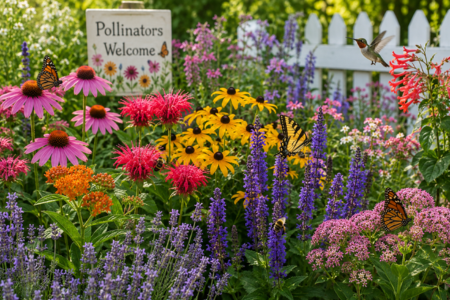
A colorful garden does more than brighten your yard—it can also provide a valuable habitat for bees, butterflies, hummingbirds, and other pollinators that play a vital role in our ecosystem. Whether you have a sprawling landscape or a few containers on your patio, planting pollinator-friendly flowers is one of the easiest ways to support local wildlife while creating an outdoor space that’s vibrant and inviting.
Beyond their environmental benefits, pollinator gardens are often easier to maintain than traditional flower beds because many pollinator favorites are hardy, drought tolerant, and naturally resistant to pests. If you’re looking for a rewarding gardening project this season, consider adding a variety of nectar-rich blooms that will attract beneficial visitors all summer long.
Why Pollinators Matter
Pollinators are responsible for helping many flowering plants reproduce. As bees, butterflies, birds, and other insects move from flower to flower collecting nectar and pollen, they transfer pollen that allows plants to produce fruits, vegetables, seeds, and flowers.
Many of the foods we enjoy—including tomatoes, blueberries, squash, apples, and cucumbers—depend on pollinators. Healthy pollinator populations also contribute to stronger ecosystems by supporting native plants and wildlife.
Unfortunately, pollinator numbers have declined in many areas due to habitat loss, pesticide use, and changing environmental conditions. Home gardens can help bridge that gap by providing safe places for pollinators to feed and rest.
Choosing the Right Flowers
Not every flower attracts pollinators equally. The best choices are those that produce abundant nectar and pollen while blooming throughout the growing season.
Some excellent options include:
Coneflowers (Echinacea)
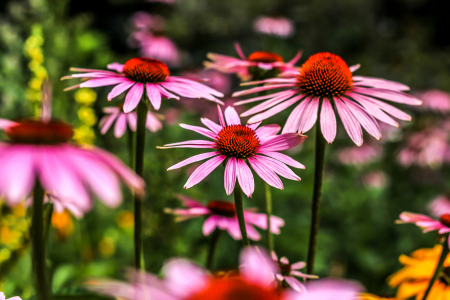
Coneflowers are among the easiest perennial flowers to grow. Their large, colorful blooms attract bees and butterflies throughout the summer, while the seed heads provide food for birds in the fall. Available in shades of purple, pink, orange, yellow, and white, coneflowers thrive in full sun and tolerate dry conditions once established.
Bee Balm
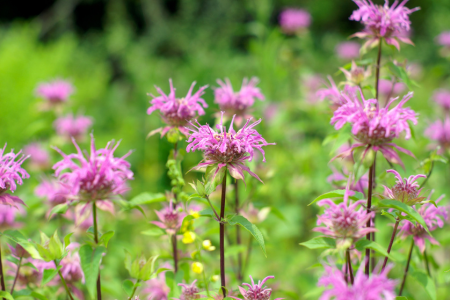
As the name suggests, bee balm is a favorite among bees, but hummingbirds and butterflies love it too. Its bright red, pink, lavender, or purple flowers make a bold statement in the garden while adding plenty of nectar for visiting pollinators.
Black-Eyed Susans
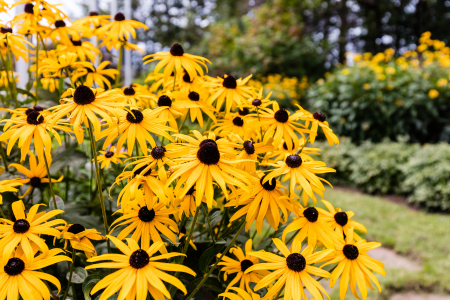
These cheerful yellow flowers bloom for weeks during summer and require very little maintenance. Their daisy-like appearance pairs beautifully with ornamental grasses and other native perennials while attracting a variety of beneficial insects.
Lavender
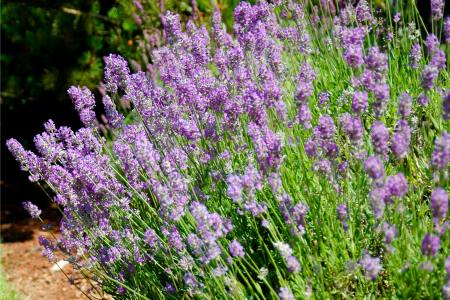
Known for its soothing fragrance, lavender is also highly attractive to bees. It thrives in sunny locations with well-drained soil and adds texture, color, and fragrance to flower beds, borders, and containers.
Milkweed
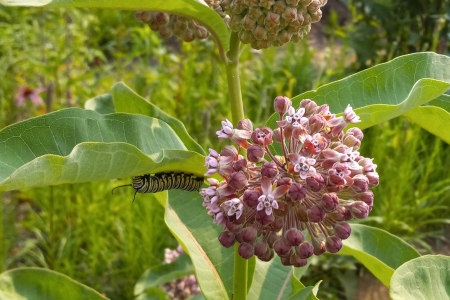
Milkweed is perhaps best known as the host plant for monarch butterflies. Adult butterflies lay their eggs on milkweed because it provides the only food source for monarch caterpillars. Planting milkweed is one of the simplest ways to support monarch populations.
Salvia
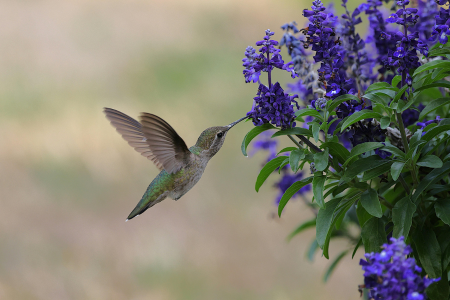
Salvia produces long-lasting spikes of colorful flowers that hummingbirds and bees visit regularly. Many varieties bloom continuously throughout summer with minimal care.
Plant for Continuous Color
One of the easiest ways to attract pollinators throughout the season is to choose flowers that bloom at different times.
Early blooming plants provide nectar when pollinators first emerge in spring, while summer flowers offer an abundance of food during peak activity. Late-season blooms continue feeding bees and butterflies as they prepare for cooler weather.
Mixing annuals and perennials ensures your garden remains colorful and pollinator-friendly while providing a reliable food source from spring through fall.
Think Beyond Flowers
Pollinators need more than nectar. Creating a welcoming habitat involves providing water, shelter, and places to rest.
Consider adding:
- A shallow birdbath with stones for insects to land on
- Native shrubs that provide shelter
- Small patches of bare soil where native bees can nest
- Flowering herbs such as thyme, oregano, basil, and chives
- Flowering trees and shrubs that bloom throughout the year
These additions create a healthier environment for pollinators while adding beauty and variety to your landscape.
Skip the Pesticides
While pesticides may seem like an easy solution for unwanted insects, many products can also harm beneficial pollinators.
Instead, focus on natural gardening practices whenever possible. Encourage beneficial insects like ladybugs, maintain healthy soil, remove pests by hand when practical, and choose disease-resistant plants that require fewer treatments.
If treatment becomes necessary, apply products carefully and avoid spraying flowers while pollinators are actively feeding.
Add Containers for Small Spaces
You don’t need a large backyard to create a pollinator-friendly garden. Patios, balconies, and front porches can all become miniature habitats using colorful containers.
Mix flowering plants with herbs to create attractive arrangements that are both decorative and functional. Containers filled with lavender, salvia, marigolds, zinnias, and basil can quickly become favorite stops for bees and butterflies.
Create a Natural Look
Rather than planting one flower at a time throughout your yard, group several of the same variety together. Larger clusters are easier for pollinators to locate and create a stronger visual impact.
Native plants also tend to perform better because they’re naturally adapted to local growing conditions. They typically require less water, less fertilizer, and less maintenance while providing familiar food sources for local pollinator species.
A Garden That Benefits Everyone
A pollinator-friendly garden offers rewards that extend far beyond beautiful blooms. You’ll enjoy colorful flowers, increased visits from butterflies and hummingbirds, healthier plants, and the satisfaction of supporting an important part of nature.
Whether you’re redesigning an existing landscape or simply adding a few pots of flowers to your porch, every pollinator-friendly plant helps create a healthier environment. With just a little planning, your garden can become a thriving oasis that benefits your home, your neighborhood, and the wildlife that depends on it.


