

Every few years, real estate gets a new wave of tools that promise to change everything. Some fade, while some stick and quietly reshape how deals get done.
Right now, the energy is around AI and automation, along with a fresh class of digital agents that work alongside humans. They’re speeding up transactions and sharpening pricing. They’re answering clients at 2 a.m. without coffee!
So, who really wins in 2026? Investors? Established brokerages? Nimble startups? Or the everyday buyer and seller who just wants a smoother move? Continue reading to find out.
Where Real Estate Tech Stands Today
The tech stack for most brokerages looks fairly standard: IDX-powered websites, lead routing, CRMs, e-signatures, and transaction management platforms. That’s not to mention a mix of paid and organic portal traffic. We’ve come a long way from printing flyers and chasing fax signatures.
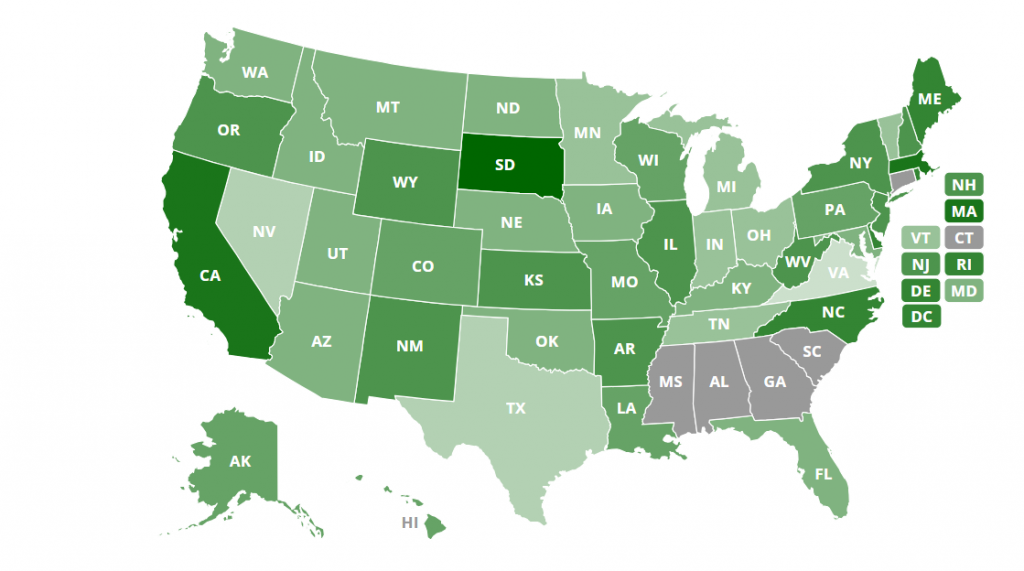
Remote online notarization (RON) has moved from novelty to normal in many places. Over 40 states have passed laws to allow RON in some form, making fully digital closings possible for buyers and sellers who want speed and convenience.
AI is already sprinkled throughout the process. Pricing tools use machine learning to estimate home values from massive data sets. Lead scoring helps teams focus on the right prospects. Chatbots greet visitors and answer basic questions on listing pages. Predictive tools flag potential sellers and hot micro-markets before the buzz spreads.
Digital agents are evolving from simple autoresponders into more capable assistants. They schedule showings and surface comparable listings, even helping connect buyers with trusted local service providers.
For instance, virtual agents can assist in scheduling appointments, help property managers source a St. Louis electrician, a home inspector, or a research properties in demand in specific neighborhoods. These assistants don’t replace the human touch, but they’re learning to carry more of the day-to-day load.
Let’s look at how AI, automation, and agents impact real estate below.
How AI is Changing Property Deals
By 2026, the biggest swing of AI won’t be flashy. It’ll be how quietly it reduces uncertainty. For instance:
- Property valuation gets smarter with machine vision and AI. This happens when models incorporate richer local signals:
- Renovation permits
- School rezoning
- Green upgrades.
- Predictive analytics turns raw MLS and neighborhood data into early warnings for market shifts.
- Customer service chat becomes more natural and more accurate.
Policy is catching up. In 2023, U.S. regulators proposed quality-control standards for automated valuation models (AVMs) to ensure accuracy and guard against bias and fraud (even conflicts of interest). Trustworthy AI rests on solid data governance. These rules push the industry to clean up its act.
There’s practical proof on the ground. Granular housing data can get and how quickly trends can be spotted when you’ve got robust analytics behind the scenes.
Computer vision is turning listing photos and virtual tours into structured insights that help pricing, staging, and renovation planning. Matterport’s digital twins have made 3D walkthroughs standard for many listings, shrinking the distance for out-of-town buyers.
Ryan Walton, Program Ambassador of The Anonymous Project, has witnessed the rise of AI across industries. Whether in the real estate or charity sector, he believes that this tech shapes the future of companies and organizations.
Walton says, “AI’s real power isn’t in replacing people. It’s reducing uncertainty. When better data and smarter systems quietly remove friction, professionals can focus on judgment, relationships, impact, and more. The organizations that win will be the ones that combine trusted data with human insight.”
Automation Cuts the Busywork
Document prep and compliance checks are perfect candidates for rule-based workflows. They run the same way every time, but only faster. Aside from RON, automated title updates and integrated lender portals have smoothed some of the most infamous friction points.
The Consumer Financial Protection Bureau found in an early eclosing pilot that digital closings could improve borrower understanding and shorten timelines. That lines up with what many buyers feel when the paperwork maze gets simpler.
Learn from Jeffrey Zhou, CEO and Founder of Fig Loans. He has experience automating various functions for his finance business. Having invested in real estate, he’s seen how automation works in this industry as well.
Zhou explains the benefits of automation. “For professionals, the upside is clear: fewer errors and faster timelines, even more time for the human work that wins clients. Negotiation. Guidance. Local expertise. However, the challenge is keeping systems in sync and making sure clients don’t feel like they’re talking to a machine.”
He adds, “For consumers, automation lowers barriers. Faster pre-approvals. Clearer comparisons. Even fractional investing models that let regular folks own slivers of rental homes. Access is widening, but it puts pressure on pros to deliver distinct value beyond speed alone.”
Digital Agents That Never Sleep
Digital agents aren’t sci-fi anymore. They’re the steady voice that never sleeps. The best ones don’t try to be your agent. They manage the “always on” tasks so the real agent can show up fully when the stakes are high. Think of the following:
- Instant Q&A
- Real-time alerts
- Appointment setting
- Virtual tour delivery
- Day-to-day nudges that keep deals moving
Take it from Matthew Thompson, Founder of OwnerWebs, who has built websites with Chatbots. Their company has helped real estate websites leverage digital agents for work efficiency and client satisfaction.
Thompson suggests, “Compared with traditional agents, digital counterparts win on speed and consistency. Human agents still win on strategy and creativity (not to mention empathy). The sweet spot is the partnership: Fast answers when buyers need them and a real person when the decision is big.”
Who Comes Out Ahead in the Real Estate Game
There won’t be just one winner, but some players have a clearer path. They are as follows:
- Hybrid brokerages that blend AI with deep local expertise will likely outpace pure-tech models that treat homes like commodities.
- Investors who adopt real-time analytics will spot opportunities others miss and avoid chasing yesterday’s comps. This investor’s map guides them in the right direction.
- Niche startups that solve unglamorous bottlenecks, such as appraisal modernization and legal compliance, could take meaningful market share with sticky infrastructure.
- Consumers will win time and transparency: faster offers, cleaner closings, fewer surprises.
Power will tilt toward firms that control client relationships end-to-end, with data loops that continuously improve their service.
MLSs, portals, lenders, title companies, and brokerages will keep jockeying for primary ownership of the consumer journey. The human pros who master these tools and stay relentlessly client-first will keep a strong hand.
Tech Stack Challenges and Solutions
Tech trends pave the way for the rise of smart homes, ideal for property owners. But on the other hand, technologies like AI, automation, and digital agents help make the lives of property managers and investors much easier and better. Still, these tools or platforms come with inevitable challenges you should be ready to face.
The Hard Questions Nobody Wants to Ask
Technology helps, but it also raises problems:
Who is accountable when an algorithm undervalues a neighborhood or steers a buyer away from certain areas? What happens to privacy when property data, location history, and financial details flow between multiple platforms?
- Policy responses are already happening. The interagency PAVE task force has pushed for concrete steps to reduce appraisal bias and build more equitable systems.
- Regulators are closing gaps around automated valuation models and data security. If you serve clients in California or work with EU residents, you’re likely already familiar with consumer privacy protections, such as the California Consumer Privacy Act CCPA and GDPR.
If you use AI, you need guardrails. Not just because it’s the right thing to do. Because it’s a smart business.
What to Do About It
You don’t need a lab coat to compete. You need a plan, the habit of testing and learning… and improving.
- Audit your workflow. Flag steps that are slow and repetitive. Automate there first. Pick a lean stack. It’s better to master five tools than dabble in fifteen. Make sure they integrate cleanly.
- Get your data house in order. Clean contact records and consistent naming conventions make AI and automation work. Build AI fluency through prompt strategies, templates, and checklists for valuation review, listing descriptions, and follow-ups.
- Protect client privacy. There’s a need to protect data in real estate transactions. To begin, map what data you collect. Plan who sees it and how it’s stored. Also, add consent language that’s easy to read.
- Pilot before you scale. Run 60-day experiments and define success metrics. Only expand what clearly saves time or wins clients. Most importantly, keep the human core strong. Pricing strategy and local nuance are still your edges, so don’t outsource your judgment.
Wrapping Up
Tech stacks help big time: AI lifts the ceiling on insight; Automation cuts the busywork, so deals move faster; Digital agents cover the midnight shifts and keep clients in the loop.
The real winners won’t be the tools themselves. It’ll be the people and firms that use them to serve clients better and make sharper decisions. They’re able to stick to ethical standards that earn long-term trust.
If you’re weighing where to bet in 2026, bet on the blend: technology plus human expertise, stitched together thoughtfully.
What shifts are you seeing in your market? Which tools are saving you the most time, and where do you still feel friction?


