
It’s tempting to think of gardening as a spring and summer activity, something to pick back up once the weather warms. But some of the most important groundwork for a gorgeous spring garden actually happens right now, in the cooler days of September. Cooler air, warmer soil, and less pressure from pests and heat make fall an ideal window for the tasks that pay off months from now.
If your garden could use a refresh, here’s where to focus your energy before the season fully turns.
Plant Spring-Blooming Bulbs
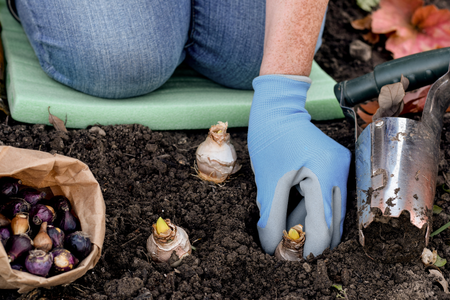
Tulips, daffodils, crocuses, and hyacinths all need a cold period to bloom properly, which means fall planting is essential, not optional. Aim to get bulbs in the ground about six weeks before the first hard frost in your area, giving roots time to establish before winter dormancy sets in.
A few planting tips:
- Plant bulbs at a depth roughly three times their height, pointed end up.
- Group bulbs in clusters rather than single rows for a fuller, more natural look come spring.
- Choose a mix of early, mid, and late bloomers to extend the flowering window.
Divide and Transplant Perennials
Many perennials, like hostas, daylilies, and peonies, benefit from being divided every few years to stay healthy and vigorous. Fall’s cooler temperatures reduce transplant stress, giving divided plants time to reestablish roots before winter. If a perennial bed has become overcrowded or bloomed less impressively this year, now is the time to dig in, divide clumps, and replant with better spacing.
Prune with Purpose, Not All at Once
Not everything should be pruned in fall. Spring-flowering shrubs like lilacs and azaleas set next year’s buds shortly after blooming, so pruning them now can accidentally remove next spring’s flowers. Instead, focus fall pruning on:
- Dead, damaged, or diseased branches
- Summer-blooming shrubs that have already finished flowering for the year
- Overgrown perennials being cut back for winter tidiness
When in doubt about a specific plant, a quick search or a call to a local gardening resource can clarify the right timing.
Feed the Soil, Not Just the Plants
Fall is an excellent time to top garden beds with compost or aged manure. As it breaks down over winter, it enriches the soil in time for spring planting, without the rush of trying to amend soil right before you want to plant. A layer of mulch after your final fall cleanup also helps regulate soil temperature and moisture through the colder months.
Clean Up Strategically
A full garden cleanup matters, but it doesn’t have to mean removing everything. Leaving some seed heads and hollow plant stems standing over winter provides food and shelter for birds and beneficial insects. Focus cleanup efforts on removing diseased plant material (which can harbor problems into next season) while leaving some natural structure intact for wildlife.
Set Up Spring Success Now
A little fall effort creates a garden that looks intentional and cared for rather than left to chance. And a well-maintained landscape doesn’t just benefit you today, it’s one of the first things buyers notice about a home’s curb appeal if you ever decide to sell.
Whether you’re planning to enjoy your garden for years to come or thinking ahead to a future move, these fall tasks are some of the most valuable time you can spend outside all year. Grab your gloves, and let’s get planting.


