
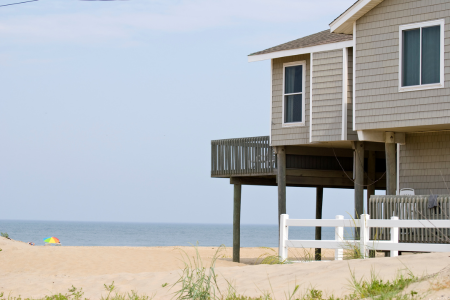
Each of us has our special place, a town in which we go back year after year, or a city where our memories are the deepest. What would it be like to be able to have that place as a more permanent part of your life?
The decision to buy a home in a favorite vacation spot is an emotional and financial process for many people. Whether you’re looking to buy your piece of heaven or sell a cherished house, this guide will walk you through the key factors to consider.
The Appeal of the Vacation Home Market
Why do so many people seek to purchase a vacation home? These reasons are both personal and financial. On an individual level, a vacation home serves as a regular, relaxed stay. You do not need to worry about accommodations by booking hotels or seeking a rental.
The area is entirely yours, customized to your preferences, and awaits the next family adventure. It is somewhere to create a tradition and create a memory to last a lifetime, whether it is a small cabin in the mountains or on the beachfront.
Investment-wise, it is even more attractive. Short-term rentals are in limited supply in popular vacation spots. Homeowner platforms such as Airbnb and Vrbo have made it possible for homeowners to earn considerable amounts of income even when they are not staying in the property.
This rental potential can assist in paying your mortgage, property taxes, and maintenance fees, making this luxury item a profitable investment. Besides, property in good locations often increase in value with time, creating equity and a high rate of investment in the future.
Key Considerations for Savvy Buyers
It is essential to establish a primary objective before you get into a search. Do you intend to use this house as a simple investment to earn passive income, or is it a personal escape for you and your family? Your response will determine all the decisions made, including the location and property type.
It is all about location with the investor. The property must be in a region with a variety of robust tourist attractions throughout the year. Don’t think only about summer beach towns. Consider destinations that offer a variety of activities, such as ski slopes in the winter, hiking trails in the fall, and festivals in the summer.
For buyers concerned with personal use, proximity to their primary residence is a significant consideration. When the property is just a short drive away, it is possible to have spontaneous weekend trips. Amenities of the community should also be taken into consideration. Does it provide the golf courses, marinas, or restaurants you and your family would like?
Second Home Expenses and Finance
Second home financing is not the same game as mortgage lending on your primary home. Lenders consider such properties as higher risk and hence tend to demand more from the borrower. The down payment will likely be higher, typically ranging from 10-25% or more, depending on the lender and property type.
Your credit score will also come under more scrutiny with most lenders demanding a score between the upper 700s or beyond. Also, your debt-to-income (DTI) ratio, which is the amount of your gross monthly income spent on paying debts, will have to be lower since lenders are interested in knowing that you will be able to make two mortgage payments easily.
In addition to the initial financing, it is also essential to factor in the hidden costs of ownership that might have profound bottom-line implications. Insurance is another area that can be significantly more expensive in the case of a vacation home, especially in a region that has a high natural disaster risk, such as hurricanes, floods, or wildfires.
You may also have to pay Homeowners Association (HOA) fees in the event the property is located within a managed community, which may include covering the cost of landscaping and security for amenities such as pools and fitness centers.
If you intend to rent the property, you should consider property management fees, which may vary between 10% and 30% of your rent.
Making the Most of Your Asset When Selling Your Vacation Home
When selling to personal-use buyers, it is the lifestyle that needs to be sold. Photographs and virtual tours should be of high quality and showcase the spectacular views, proximity to popular attractions, and unique features that make the home a dream vacation. Focus on comfort and convenience, not just financial aspects. Demonstrate how the space has served as a venue for creating memorable times.
The information is what sells to the investors. You should be prepared to provide a detailed breakdown of the property’s rental history, including occupancy rates, average nightly rates, annual income, and expenses.
If you have used a property management company, an outline of their services and costs can be a significant selling point, demonstrating that the house is a turnkey business. This is particularly correct when one is selling a property in one of the most popular vacation towns in Florida, where the rental marketplace can be most competitive and yet very lucrative.
It is priceless to work with a local real estate agent who is familiar with such markets. They are familiar with the market behavior, pricing policies, and what customers in the region are willing to purchase.
Final Thoughts
As a buyer or seller, the American vacation destination real estate market offers a combination of personal and financial rewards. Proper research, a clear plan, and a pinch of sunshine can translate your real estate dreams into a reality that can pay off.
Written By: Edrian Blasquino

Edrian is a college instructor turned wordsmith, with a passion for both teaching and writing. With years of experience in higher education, he brings a unique perspective to his writing, crafting engaging and informative content on a variety of topics. Now, he’s excited to explore his creative side and pursue content writing as a hobby.
LinkedIn I Facebook I Portfolio


