
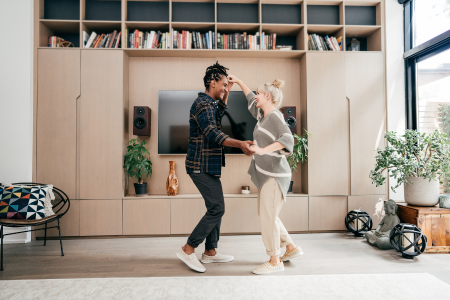
Living in your home should feel easy and calm. When rooms feel crowded, storage feels awkward, or routines take more effort than they should, it often means the space needs adjustment. Over time, small inconveniences add up. The entryway becomes cluttered, the kitchen feels tight, or certain rooms lose their purpose. Improving how your home functions does not require major remodeling. Thoughtful, practical updates can create noticeable change.
Identify What Slows You Down
Start by noticing patterns in your daily routine. Where does clutter collect? Where do you feel rushed or frustrated? These friction points usually reveal where the home is no longer aligned with how you live.
If shoes and bags pile up by the door, the problem may be a lack of designated storage. If kitchen counters feel crowded, the layout or cabinet organization may need attention. When you focus on specific habits rather than general appearance, solutions become clearer and more practical.
Improve Layout and Movement
Room flow affects comfort more than many homeowners realize. When furniture blocks pathways or rooms feel cramped, everyday movement becomes uncomfortable.
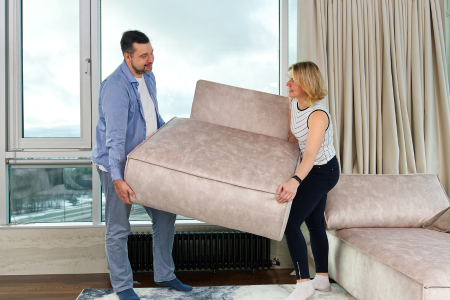
Create clear walking paths in high traffic areas. Adjust furniture placement so it supports conversation while leaving open space to move freely. In bedrooms, allow enough room to walk around the bed comfortably. In living areas, avoid oversized pieces that dominate the room.
Even small layout changes can improve how a space feels and functions without spending anything.
Make Storage Work with Your Routine
Storage should reflect how you use your home. Items that are difficult to access rarely stay organized. When everyday essentials are easy to reach, clutter naturally decreases.
Group related items together and store them near where they are used. Add drawer organizers in the kitchen or bathroom. Use labeled bins in shared spaces. Install simple shelving in closets to maximize vertical space.
Well planned storage reduces daily stress and makes tidying up quicker and more manageable.
Give Each Space a Clear Purpose
Homes evolve over time. A spare room may slowly turn into a storage area. A dining space may rarely host meals. Reclaiming or repurposing underused areas can improve both comfort and value.
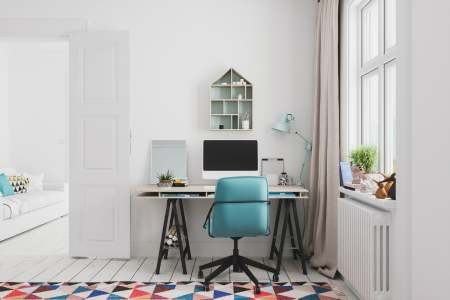
A corner in the living room can become a reading area with a comfortable chair and lamp. A spare bedroom can support both guests and remote work with flexible furniture. Even a hallway can serve a purpose with shelving or decorative storage.
When every space has intention, the home feels balanced rather than crowded.
Update Lighting for Function and Comfort
Lighting influences how a home works throughout the day. Harsh overhead lighting can feel uncomfortable, while dim corners make tasks harder.
Layer lighting with table lamps, floor lamps, and brighter task lighting where needed. Warm bulbs in living areas create comfort. Brighter lighting in work zones improves focus.
Good lighting supports daily routines and enhances the overall atmosphere of the home.
Think About Flexibility
Needs change over time. Creating flexible spaces helps your home adapt without constant renovation.
Choose furniture that can serve more than one purpose. Consider investing in movable storage pieces that can shift as routines change. Keep room layouts open enough to allow future adjustments.
Homes that function well today are better prepared for tomorrow. Practical improvements strengthen everyday living while supporting overall appeal.
When your home works smoothly, daily life feels lighter. The goal is not perfection. It is comfort, function, and a layout that supports how you live right now.


