
Spring gets all the attention as real estate’s busiest season, but fall has quietly earned its own nickname among agents: the “second spring.” If you’ve been sitting on the decision to list your home, waiting for what feels like the “right” season, it’s worth understanding why fall might actually work in your favor rather than against it.
Why Fall Buyers Are Often More Serious
Spring brings out a lot of window shoppers, people testing the market, attending open houses out of curiosity, or simply starting their search. Fall buyers tend to be different. Many are working against a timeline: a job relocation, a lease ending, or a desire to settle into a new home before the holidays. That urgency often translates into buyers who are ready to make decisions and move forward quickly, rather than browsing indefinitely.
Less Competition on the Market
Because so many sellers assume spring is the only time to list, fall inventory is often lower. Less competition means your home has a better chance of standing out, rather than getting lost among dozens of similar listings. In some markets, this can also mean less pressure to make aggressive price cuts just to compete for attention.
Curb Appeal Comes Naturally
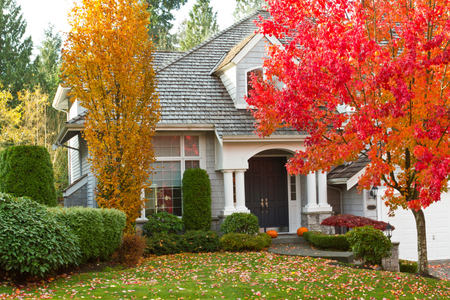
Fall foliage does a lot of the staging work for you. Warm-toned trees, crisp air, and seasonal touches (think a tasteful wreath or a few pumpkins on the porch, without overdoing it) create an inviting first impression that’s hard to replicate at other times of year. Just be mindful to keep exterior décor understated; buyers should picture their own life in the home, not yours.
Cozy Staging Works in Your Favor
Fall is an easy season to stage warmly without much effort. Soft lighting, layered textiles, and a lived-in but tidy feel all play well with the emotional side of buying a home. A few staging tips specific to fall:
- Use warm, neutral tones in throw pillows and blankets rather than anything overly seasonal or themed.
- Keep windows unobstructed to make the most of shorter daylight hours.
- Address any exterior maintenance, like clearing fallen leaves or cleaning gutters, since fall buyers notice these details.
What to Watch For
Fall selling isn’t without its considerations. Days get shorter, meaning showings need good interior lighting to compensate for less natural light in the evenings. Weather can also become a factor for open houses depending on your region, so flexibility with scheduling matters. And if your market typically sees a slowdown around major holidays, timing your listing to launch in September or early October, ahead of that lull, tends to work best.
Pricing Strategy in a Fall Market
Because fall buyers are often motivated and there’s typically less competing inventory, homes that are priced accurately from the start tend to move efficiently. Overpricing in hopes of “testing the market” can backfire more in fall, since serious buyers with a timeline are less likely to wait around for a price correction.
Is Fall Right for Your Sale?
Ultimately, the “best” time to sell depends on your specific market, your home, and your personal timeline, but fall deserves a real seat at the table alongside spring. If you’ve been holding off simply because it “isn’t spring,” it might be worth reconsidering.
A knowledgeable local agent can help you weigh your specific market’s fall trends against your goals, so you’re making a timing decision based on data, not just conventional wisdom. If you’re on the fence, a conversation with a Realty Executives professional can help you figure out whether now is the moment to list.


