
Sustainable renovation materials have a reputation problem: some homeowners assume “eco-friendly” automatically means “more expensive and less practical.” In reality, some sustainable options are budget-friendly right out of the gate, while others cost more upfront but earn that cost back in durability, air quality, or simply how good they look decades from now. The key is knowing which sustainable splurges are actually worth it.
If you’re planning a renovation and want to make choices that are better for the planet and your home, here’s where to focus your budget.
Reclaimed Wood
Reclaimed wood, salvaged from old barns, factories, warehouses, or even demolished homes, brings a texture and history that new lumber simply can’t replicate. It’s often denser and more stable than modern fast-growth lumber, meaning it can outlast newer alternatives in flooring, beams, and furniture. Yes, it typically costs more than standard lumber, but you’re paying for material that’s already proven its durability over decades, plus a one-of-a-kind look that adds real character to a space.
Low-VOC and Zero-VOC Finishes
Volatile organic compounds (VOCs) in traditional paints and finishes off-gas into your home’s air for months or even years after application, and they’re linked to a range of health concerns. Low-VOC and zero-VOC paints, stains, and sealants have improved dramatically in recent years and now perform just as well as traditional options in most applications. The splurge here isn’t really about durability; it’s about air quality, especially in bedrooms, nurseries, and other spaces where you spend significant time.
Recycled Metal Fixtures and Hardware
Recycled aluminum, steel, and copper fixtures, think light fixtures, cabinet hardware, and plumbing fittings, require significantly less energy to produce than virgin metal. They’re also frequently just as durable, if not more so, than new-manufactured alternatives, and many high-end designers now favor recycled metal finishes specifically for the unique patina they develop over time.
FSC-Certified Wood
If reclaimed wood isn’t available or practical for your project, wood certified by the Forest Stewardship Council (FSC) ensures the lumber came from responsibly managed forests. It typically costs a bit more than uncertified wood, but for large structural or flooring projects, that incremental cost supports sustainable forestry practices without sacrificing quality.
Natural Stone and Clay Materials
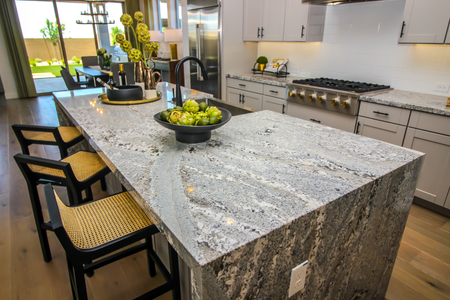
Natural stone countertops, clay roof tiles, and terracotta flooring are inherently long-lasting materials that, unlike some engineered alternatives, don’t rely on resins or synthetic binders that can degrade over time. They also tend to age gracefully rather than looking dated, which can extend the years before your next renovation altogether.
Where to Save Instead
Not every part of a renovation needs the premium sustainable option. Consider directing your budget toward the splurges above while saving elsewhere with high-quality, standard materials for less visible or lower-wear areas, like a laundry room or a rarely used guest bathroom.
A helpful framework:
- Splurge on materials with high daily contact (countertops, flooring, cabinetry).
- Save on materials in low-traffic or hidden spaces.
- Always factor in a material’s expected lifespan, not just its sticker price.
The Long-Term Payoff
Sustainable materials aren’t just good for the environment; they’re also a genuine selling point. Buyers increasingly ask about energy efficiency and sustainable features when touring homes, and thoughtful renovations using durable, eco-conscious materials can set a property apart.
A renovation is a chance to invest in your home’s future, and choosing the right sustainable materials means that investment lasts. Start with the splurges that matter most for your specific project, and you’ll end up with a home that’s better built and better for the planet.


