
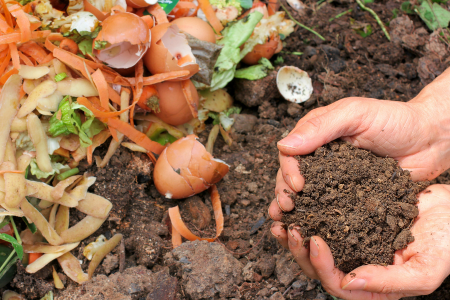
Composting has a reputation for being complicated, something reserved for serious gardeners with a lot of space and even more patience. In reality, composting is one of the simplest habits a household can pick up, and it works in a small apartment courtyard just as well as a sprawling backyard. If you’ve ever wondered what to do with all those vegetable peels and coffee grounds besides tossing them in the trash, composting is the answer, and it’s easier to start than you’d think.
Why Composting Is Worth the Effort
At its core, composting is just controlled decomposition. Organic material, food scraps, yard waste, and paper products break down over time into a rich, dark material called humus, which is packed with nutrients plants love. Instead of sending that material to a landfill, where it breaks down slowly and contributes to methane emissions, composting turns it into something genuinely useful for your own garden or houseplants.
Beyond the environmental upside, composting can noticeably reduce the amount of household trash you generate, since food scraps and yard waste often make up a surprisingly large share of what gets thrown away.
What You Actually Need to Get Started
You don’t need a fancy setup to compost successfully. The basics come down to:
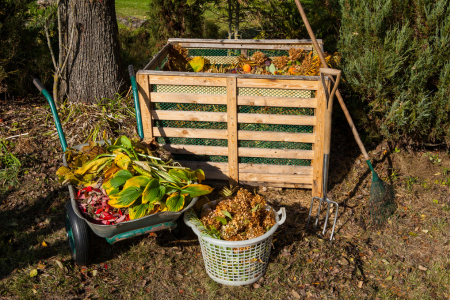
- A bin or designated pile (a simple plastic bin, a wire enclosure, or even a large covered container works)
- A mix of “greens” and “browns”
- Occasional turning or mixing
- Some patience, since compost typically takes a few months to fully mature
That’s it. No special equipment or advanced know-how required.
Understanding Greens and Browns
The key to good compost is balancing two categories of material:
- Greens (nitrogen-rich): fruit and vegetable scraps, coffee grounds and filters, tea bags, fresh grass clippings, and eggshells.
- Browns (carbon-rich): dried leaves, shredded newspaper or cardboard, straw, and sawdust from untreated wood.
A general rule of thumb is roughly two to three parts browns to one part greens. Too many greens can make a pile wet and smelly, while too many browns can slow decomposition down considerably. If your pile ever starts smelling unpleasant, adding more browns and turning the pile usually solves it.
What to Avoid When Composting
Not everything belongs in a compost pile. Steer clear of:
- Meat, fish, dairy, and oily foods, which can attract pests and slow decomposition
- Diseased plants, which can spread pathogens back into your garden
- Pet waste, which can carry harmful bacteria
- Glossy or heavily inked paper
Sticking to plant-based scraps and yard waste keeps the process simple and avoids most common composting headaches.
Composting Without a Yard
If you don’t have outdoor space, composting is still very much an option:
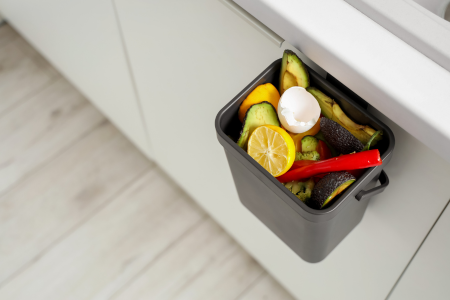
- Countertop compost bins collect scraps for a few days before you transfer them to a larger outdoor bin, a community compost program, or a neighbor’s setup.
- Vermicomposting (composting with worms) works well indoors and is compact enough for an apartment, using a small bin of worms that break down scraps efficiently in a contained space.
- Municipal or community composting programs are increasingly common; a quick search for your city or region can reveal drop-off locations or curbside collection options.
Keeping the Process Simple
A compost pile doesn’t need constant attention to succeed. A quick turn with a shovel or pitchfork every week or two helps aerate the pile and speeds up decomposition, but even a mostly neglected pile will break down eventually, just more slowly. If you’re new to composting, resist the urge to overthink it; the process is fairly forgiving, and small mistakes rarely ruin the whole batch.
Putting Finished Compost to Use
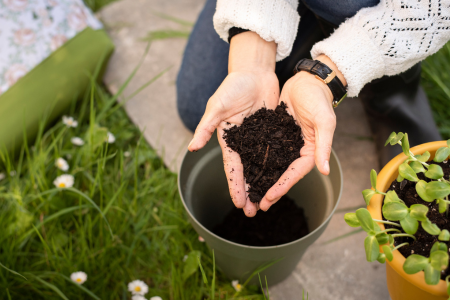
Once your compost turns dark, crumbly, and earthy-smelling, typically after a few months, it’s ready to use. Mix it into garden beds, work it into potting soil for container plants, or spread a thin layer around existing plants as a nutrient-rich mulch.
Composting is a small habit with a genuinely meaningful payoff: less waste heading to the landfill, and richer, healthier soil for whatever you’re growing, whether that’s a backyard vegetable patch or a single windowsill herb pot. Once the routine is in place, most people find it takes barely any extra effort at all.


