

Clutter rarely arrives all at once. It builds up one small decision at a time — mail set down “for later,” a dish left in the sink “just for now,” a jacket draped over a chair instead of hung up. Individually, none of these choices seem to matter. Collectively, they’re the reason a tidy home can feel overwhelmed again within a day or two.
The one-touch rule is a simple mental habit that interrupts this pattern: when you pick something up, handle it completely the first time, rather than setting it down to deal with “later.” Small habit changes like this one are also a natural companion to bigger organizing projects — if you tackled a room-by-room organization reset recently, the one-touch rule is what keeps that fresh start from sliding back into clutter.
What the One-Touch Rule Actually Looks Like
The idea isn’t complicated, which is part of why it works. A few everyday examples:
- Mail: Instead of setting it on the counter, sort it immediately — recycle the junk, file the bills, and put anything actionable directly into a to-do spot.
- Dishes: Rinse and load a plate the moment you’re done with it, rather than leaving it “for after this show.”
- Laundry: Fold and put away a load right out of the dryer instead of letting it sit in the basket for days.
- Shoes and jackets: Hang or store them the moment you walk in, rather than draping them over the nearest surface.
None of these individually take more than a few extra seconds. The value comes from consistency — a home where most things get handled once simply doesn’t accumulate the same daily buildup.
Why “Later” Rarely Works Out
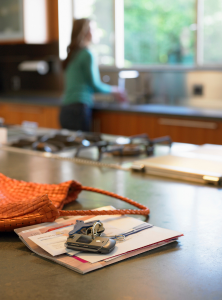
The trouble with setting something down “for later” is that later has to compete with everything else on your plate. A jacket on a chair becomes three jackets on a chair. A single piece of mail becomes a stack that requires sorting through old and new. What would have taken seconds in the moment becomes a task big enough to avoid, which is exactly how clutter accumulates.
The one-touch rule sidesteps this by removing the deferral option entirely. There’s no pile to eventually deal with, because nothing was set down unfinished in the first place. This lines up with what psychologists understand about how small habits form — the fewer decision points a routine has, the more likely it is to stick.
Where the Rule Makes the Biggest Difference
Not every task benefits equally from this approach. It tends to matter most in the areas of a home that see the most daily traffic and small decisions:
- Entryways, where shoes, bags, and mail naturally accumulate
- Kitchen counters, where dishes and packaging pile up between meals
- Bedrooms, where clothing decisions happen constantly
- Home offices, where papers and small tasks can quietly stack up
Focusing the habit on these high-traffic zones first tends to produce the most noticeable results with the least effort.
Building the Habit Without Burning Out
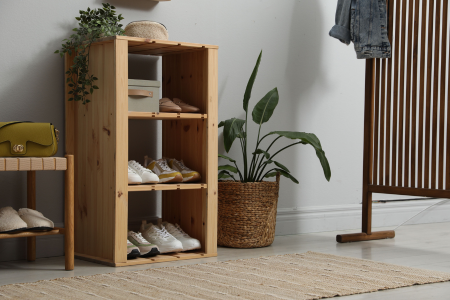
Start with one zone. Rather than overhauling your entire routine, pick a single area — the entryway, for instance — and commit to the habit there first. Once it feels automatic, expand it to another space.
Make the “right” action easier than the “wrong” one. A hook by the door, a designated mail sorting spot, or a laundry basket that’s easy to access all reduce the friction that makes deferral tempting in the first place.
Give yourself grace on genuinely busy days. The goal isn’t perfection — it’s a general habit that, over time, meaningfully reduces the daily buildup that makes a home feel cluttered.
Involve the whole household. The habit works best when everyone in the home practices it, rather than one person quietly cleaning up after everyone else.
A Small Habit With a Big Payoff
The one-touch rule isn’t a deep-cleaning project or an expensive organizing system — it’s a simple shift in how you handle the small, constant decisions that make up daily life at home. Over time, that shift adds up to a home that feels more consistently put-together, with far less “catch-up” cleaning required on any given day.


