
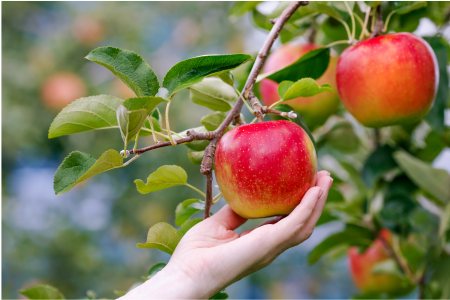
Few fruits capture the shift into a new season quite like apples. As orchards fill with fresh harvests, apples become one of the most versatile and widely available fruits at markets and grocery stores alike — equally at home in a quick breakfast, a packed lunch, or a weekend baking project.
Beyond their flavor, apples bring real nutritional value to the table: they’re a good source of fiber and vitamin C, and their natural sweetness makes them an easy way to add flavor to a dish without relying on added sugar. If your household is already leaning into easy seasonal entertaining, apples are a natural next ingredient to build around.
Here are simple, approachable ways to bring apple season into your weekly routine.
Start the Day With Apples
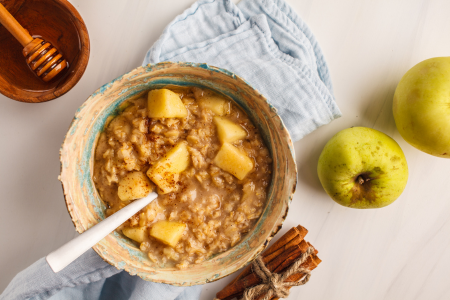
Apple cinnamon oatmeal: Stir diced apple and a dash of cinnamon into oatmeal while it cooks, and top with a drizzle of honey or a spoonful of nut butter for a filling, naturally sweetened breakfast.
Apple yogurt parfait: Layer sliced apples with yogurt and granola for a quick, no-cook breakfast that travels well if mornings are tight.
Baked apple slices: Toss apple slices with a little cinnamon and roast until tender for a warm, simple topping for pancakes, waffles, or oatmeal.
Pack Apples Into Lunches
Apple and cheese plate: Sliced apples pair naturally with sharp cheddar or a soft cheese, plus a handful of nuts, for an easy no-prep lunch addition.
Apple chicken salad: Diced apple adds crunch and sweetness to a classic chicken salad, balancing out the richness of the mayonnaise or yogurt base.
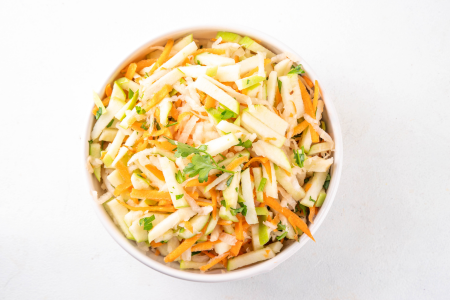
Apple slaw: Thinly sliced or shredded apple tossed with cabbage, a light vinaigrette, and a handful of nuts makes a refreshing side that holds up well for a few days in the fridge.
Bring Apples Into Dinner
Apples aren’t just for dessert — a little sweetness can round out savory dishes nicely:
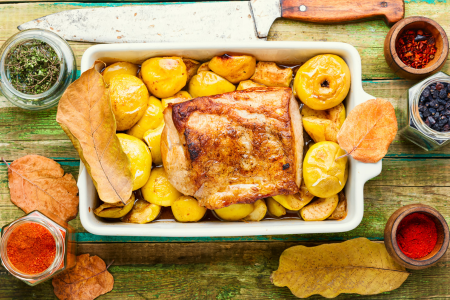
- Sautéed apples and onions make an excellent topping for pork chops or roasted chicken.
- A simple apple and arugula salad, with a light vinaigrette and shaved parmesan, works well alongside heartier fall dinners.
- Roasted apples tossed with root vegetables (carrots, sweet potatoes, parsnips) bring natural sweetness to a sheet-pan dinner.
Save Room for Dessert
Simple baked apples: Core whole apples, fill with a mix of oats, cinnamon, and a little brown sugar, and bake until tender — a lighter alternative to a full pie that still delivers warm, comforting flavor.
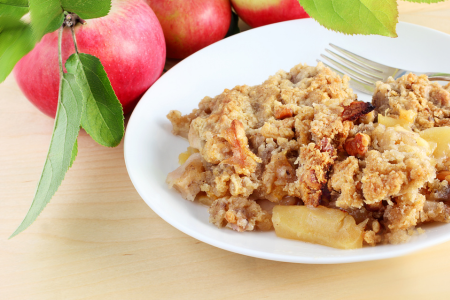
Apple crisp: A crumbly oat topping over cinnamon-spiced baked apples is easier to pull together than a traditional pie crust, while delivering the same cozy flavor.
Caramel apple slices: For a fun, lower-effort take on the classic caramel apple, slice the apple first and serve with warm caramel sauce for dipping.
A Few Tips for Choosing and Storing Apples
Different apple varieties suit different uses — tart, firm varieties like Granny Smith hold their shape well for baking, while sweeter varieties like Honeycrisp or Gala are better suited for eating fresh or adding to salads. The USDA’s MyPlate resources are a good general reference for how fruit fits into a balanced weekly diet.
Apples keep best stored in the refrigerator’s crisper drawer, where the cooler temperature slows ripening significantly compared to leaving them out on the counter. If you’ve picked up more than you can use quickly, refrigerated apples can stay fresh for several weeks.
Enjoy the Season
Apple season offers an easy, affordable way to bring fresh, seasonal flavor into meals without much extra effort. Whether baked into a weeknight side dish, packed into a lunch, or turned into a simple dessert, apples are one of the most versatile ingredients available this time of year — proof that some of the best seasonal cooking is also the simplest.


