
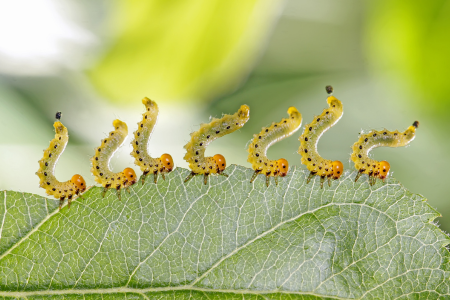
A garden should be a peaceful retreat, not a battlefield with bugs. If you’re looking for ways to protect your flowers, fruits, vegetables, and herbs without reaching for harsh chemicals, you’re not alone. More homeowners are turning to natural pest control methods that are safe for children, pets, and the environment. Here are seven smart and safe ways to keep unwanted critters out of your garden.
1. Invite Beneficial Insects
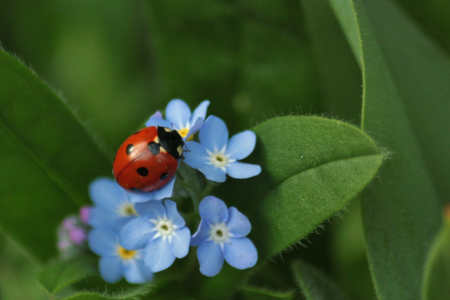
Not all bugs are bad. Some are nature’s built-in pest control. Ladybugs, lacewings, and praying mantises feed on aphids, mites, and other problem insects. You can attract these garden allies by planting dill, fennel, yarrow, and marigolds. These plants provide food and shelter for helpful insects, creating a natural balance that keeps pests in check.
2. Use Neem Oil Spray
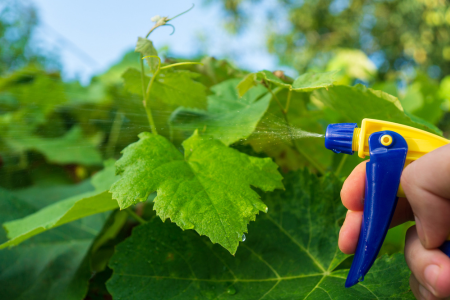
Neem oil, derived from the neem tree, is a powerful and natural pesticide that won’t harm beneficial bugs when used correctly. It interferes with insect hormone systems, preventing them from feeding and reproducing. Mix neem oil with water and a few drops of mild soap, then spray it on affected plants in the early morning or evening to avoid sun damage.
Neem oil is non-toxic to birds and mammals, so if you are looking for a pet-safe option, this is one to consider. However, neem oil does have a distinct garlic/sulfuric smell, so you may want to use it sparingly if you are sensitive to strong odors.
3. Try Companion Planting
Some plants naturally repel certain pests. Others can be used to attract pests away from certain crops. For example, basil helps keep mosquitoes and flies away from tomatoes, nasturtiums deter aphids and whiteflies, and sage deters moths from laying eggs in broccoli. Planting these combinations together not only enhances your garden’s appearance but also boosts its resilience against common pests.
4. Set Up Physical Barriers
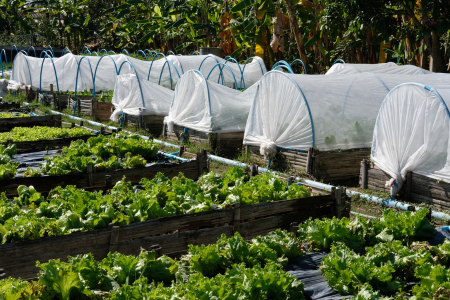
Simple barriers can keep garden invaders at bay. Use row covers, netting, or cloches to protect tender plants. Copper tape around raised beds can stop slugs and snails in their tracks, and fine mesh bags around fruit can prevent damage from birds and insects. These physical methods are chemical-free and reusable season after season.
5. Sprinkle Diatomaceous Earth
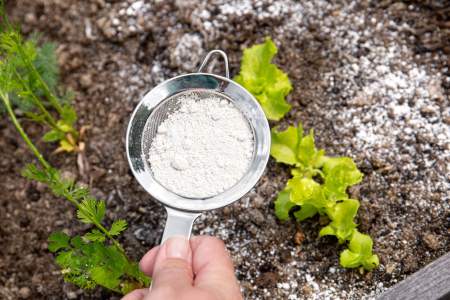
Diatomaceous earth is a fine powder made from crushed fossilized algae. It’s harmless to humans and pets but deadly to soft-bodied insects. When bugs crawl over it, the powder damages their exoskeletons, eventually dehydrating them. Dust it lightly around the base of plants or anywhere you see pest activity but reapply after rain or watering.
6. Make Garlic or Chili Spray
Pests dislike the strong scent and taste of garlic and chili. Blend a few garlic cloves or hot peppers with water, strain the mixture, and spray it on plant leaves. It won’t harm the plants, but it will make them less appealing to nibbling insects. Just be sure to wear gloves and avoid spraying during the hottest part of the day.
7. Keep the Garden Clean and Healthy
Sometimes, the best prevention is simply good garden hygiene. Remove dead leaves and spent blooms regularly, as they attract pests and diseases. Rotate crops each season to prevent soil-borne insects from establishing a home base. Healthy soil and well-spaced plants are less vulnerable to infestations, so add compost and water consistently without overdoing it.
You don’t need harsh sprays to keep your garden healthy and vibrant. These natural methods are safer for your family and for the planet, and they’re just as effective when used consistently. A little planning, a few good habits, and strategic plantings can go a long way in keeping pests out and your garden thriving. Whether you’re growing vegetables, fruit herbs, or flowers, these tips will help you enjoy the beauty of your space without the bugs.


