
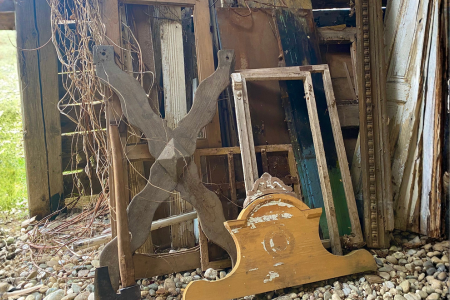
There’s a particular kind of treasure hunt that happens at an architectural salvage yard: rows of vintage doors leaning against a wall, stacks of weathered brick, an ornate mantel waiting for the right fireplace, or salvaged hardware sorted into bins by era and finish. For homeowners looking to add genuine character to a space, without the cost or wait of custom millwork, salvage yards are an often-overlooked resource worth exploring.
Here’s how to shop smart and put reclaimed finds to good use.
Why Salvage Yards Are Worth the Trip
Reclaimed materials carry a history and craftsmanship that’s difficult to replicate with new manufacturing. A door salvaged from a century-old home was likely built from old-growth lumber, which is denser and more stable than much of what’s available new today. Beyond the practical durability, there’s an undeniable appeal to knowing a piece has a story, especially when it becomes a focal point in your own home.
There’s also a sustainability angle: reusing existing materials reduces demand for new manufacturing and keeps usable materials out of landfills.
What to Look For
Not every salvage find is a good investment. Focus your search on pieces that are structurally sound, even if they need cosmetic work:
- Doors: Check that the frame isn’t warped or rotted, and that hinges and hardware (even if you plan to replace them) show the door hung properly in its original home.
- Brick: Reclaimed brick should be free of significant crumbling or spalling (flaking on the surface), which can indicate the brick won’t hold up well in a new application.
- Mantels: Look closely at joints and any carved detailing for cracks or previous repairs that might affect stability once installed.
- Hardware: Door knobs, hinges, and drawer pulls are often the easiest salvage finds to incorporate, since they require no structural evaluation, just a good cleaning.
Where Reclaimed Materials Work Best
Some of the most successful salvage projects don’t try to overhaul an entire room at once. Instead, they use reclaimed pieces as intentional focal points:
- A salvaged door repurposed as a headboard or sliding barn door.
- Reclaimed brick used as a kitchen backsplash or accent wall.
- An antique mantel installed around an existing fireplace opening for an instant style upgrade.
- Vintage hardware swapped onto newer cabinetry for an old-meets-new look.
Budgeting for Salvage Projects
Reclaimed materials can range from bargain finds to prices that rival, or exceed, new materials, depending on rarity and condition. Budget for potential restoration work as well: a beautiful salvaged door might need re-hanging, refinishing, or hardware replacement before it’s ready to use. Factor those costs in before falling in love with a piece at the yard.
A Few Practical Tips
- Bring exact measurements of the space you’re filling; salvage pieces come in one-of-a-kind sizes, unlike standardized new materials.
- Ask the salvage yard about the piece’s origin if known; provenance can add to the story (and sometimes the value).
- Don’t be afraid to negotiate; salvage yard pricing is often more flexible than retail.
- Inspect for pests, especially with reclaimed wood, before bringing anything into your home.
Building a Home With Character
In a world of mass-produced finishes, reclaimed materials offer something new manufacturing simply can’t: history, texture, and a level of craftsmanship that’s increasingly rare. Whether it’s a single salvaged door or an entire reclaimed-brick accent wall, these finds have a way of making a house feel distinctly your own.
Next time you’re planning a renovation, consider a stop at your local salvage yard before heading to a big-box store. You might just find the piece that makes the whole room.


