
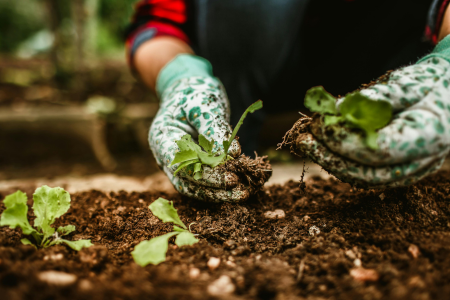
A thriving garden is something to take pride in. But once winter starts creeping in, that same space can quickly become fragile. Frosted leaves, frozen soil, and intense winds can undo months of work in a few short weeks. Preparing your garden now can mean the difference between a quick spring recovery and starting over from scratch.
Caring for your garden during the colder months isn’t as difficult as it may seem. With some practical steps, you can keep plants healthy, protect your soil, and make sure your tools are ready for another season of growth. Below are simple, time-tested ways to help your garden withstand the chill and return even stronger when spring rolls back around.
Start with a Clean Slate
Begin by removing dead plants, fallen leaves, and any weeds that have taken over. Leaving debris on the soil surface can attract pests and create a place for mold to grow. Compost is healthy but throw away anything diseased or infested to prevent it from spreading later. Clean garden beds always look tidy and give your plants a healthier environment to rest through winter.
Enrich and Protect the Soil
After clearing out the beds, mix compost or organic matter into the soil. This refreshes it after a long growing season and adds nutrients for spring planting. Once done, spread a thick layer of mulch on top. Mulch acts like a blanket for the soil, keeping it insulated and preventing moisture loss. Use about three inches of coverage but leave space around plant stems to avoid rot.
Cover Delicate Plants and Shrubs
Some plants are sensitive to frost, especially younger ones. Wrap shrubs or small trees in burlap, old sheets, or frost cloth to protect them from icy winds. If you have vegetables that are still growing, use a simple cold frame or even an overturned bucket to create short-term protection during freezing nights. A little coverage can go a long way in keeping them alive through sudden cold spells.
Water Before the Ground Freezes
It may seem odd to water plants before winter, but moist soil holds heat better than dry soil. Give your garden a deep watering before the first hard freeze arrives. This keeps roots from drying out and adds an extra layer of protection. Just avoid watering once the temperature drops below freezing, as that can harm the roots instead of helping them.
Protect Your Tools and Equipment
Winter care extends beyond plants. Clean and oil your tools before storing them so they don’t rust. Drain garden hoses and empty watering cans to keep them from cracking in wintry weather. Store everything in a shed or garage where it stays dry. Garden furniture, pots, and planters should also be moved indoors, if possible, to keep them in good shape for spring.
Help Wildlife the Right Way
Even in winter, birds and pollinators play an important part in your garden’s balance. Hang a bird feeder or leave seed heads on hardy plants for them to feed on. However, avoid leaving piles of yard waste, as they can attract unwanted pests instead of helpful wildlife. A little support goes a long way in keeping nature healthy throughout the season.
Plan for Spring During Winter
Once your garden is ready for the cold, take time to plan for next year. Note what grew well and what didn’t. Think about rearranging beds or trying new plant varieties that handle your local weather better. Winter is a quiet but ideal season for planning, giving you a head start once planting season returns. Taking these small steps before the frost settles helps your garden stay protected and healthy until the thaw. Beneath the surface, your soil and roots are resting and rebuilding, ready to grow again. With a little effort now, your garden will welcome spring with color, strength, and life instead of recovery work.


