
We have all had that moment: it is 6 p.m., everyone is hungry, and the refrigerator looks like a puzzle with half the pieces missing. The good news is that a thoughtfully stocked pantry can turn that moment into an opportunity. With a handful of reliable staples on hand, you can pull together a delicious dinner without an extra trip to the store.
Whether you are a confident home cook or just getting comfortable in the kitchen, here is how to build a pantry that works hard for you.
Why a Well-Stocked Pantry Pays Off
A good pantry does more than save time. It helps you cut down on last-minute takeout, reduces food waste, and makes cooking feel more creative and less stressful. When the basics are always on hand, you only need to add a few fresh ingredients to create a satisfying meal.
The goal is not a pantry that is overflowing. It is a pantry that is thoughtful, with versatile ingredients that work together in many different ways.
Grains, Pasta, and Starches
These are the foundation of countless meals, and most keep well for months.
- Pasta in a couple of shapes, such as spaghetti and a short shape like penne
- Rice, including a long-grain white rice and, if you like, brown rice or basmati
- Quick-cooking grains like couscous, quinoa, or rolled oats
- Dried beans and lentils, which are budget-friendly and endlessly adaptable
- Flour, plus a good sandwich bread or tortillas in the freezer
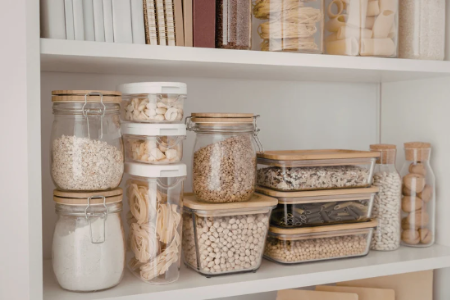
Store grains and dried goods in airtight containers to keep them fresh and pantry pests away.
Canned and Jarred Essentials
Canned and jarred foods are the secret weapons of quick cooking.
- Canned tomatoes, whole, diced, or crushed, plus tomato paste
- Canned beans such as chickpeas, black beans, and cannellini
- Broth or stock, in cartons or concentrated form
- Canned tuna, salmon, or sardines for fast protein
- Coconut milk for curries, soups, and sauces
- Jarred roasted red peppers, olives, or artichoke hearts for instant flavor
A can of tomatoes and a can of beans can become a soup, a stew, or a pasta sauce in minutes.
Oils, Vinegars, and Flavor Builders
These are the ingredients that make simple food taste special.
- Olive oil for everyday cooking and finishing, and a neutral oil for high-heat cooking
- Vinegars, such as red wine, apple cider, and balsamic
- Soy sauce or tamari
- Mustard, in Dijon or whole-grain style
- Honey or maple syrup
- Hot sauce or chili flakes for a little heat
- Garlic and onions, which keep best in a cool, dry, ventilated space
A splash of vinegar or squeeze of lemon can brighten a dish that tastes a little flat.
Spices and Seasonings
You do not need a hundred jars. Start with a core set and add as you go.
- Salt, ideally a kosher or flaky variety for cooking, plus black peppercorns
- Garlic powder, onion powder, and paprika
- Cumin, chili powder, and oregano
- Cinnamon and a few baking spices if you like to bake
- Bay leaves and dried thyme
Spices lose their punch over time, so check for fragrance. If a jar smells faint, it may be time for a fresh one.
Freezer and Refrigerator Backups
A few smart items in the cold storage turn your pantry into a complete system.
- Frozen vegetables, such as peas, spinach, and broccoli
- Frozen fruit for smoothies and baking
- Eggs, which can anchor breakfast, lunch, or dinner
- A block of cheese, which keeps longer than shredded varieties
- Butter, which also freezes well
- Frozen or refrigerated proteins you can use quickly
Three Dinner Formulas to Keep in Your Back Pocket
A flexible formula is better than a rigid recipe when you are cooking from what you have.
The Pasta Night
Cook pasta, then toss with a sauce made from olive oil, garlic, canned tomatoes, and a pinch of chili flakes. Add canned beans, frozen spinach, or leftover vegetables, and finish with grated cheese.
The Grain Bowl
Start with rice, quinoa, or couscous. Top with a protein such as canned chickpeas, a fried egg, or leftover chicken. Add roasted or raw vegetables, a drizzle of olive oil, and a quick dressing of mustard, vinegar, and honey.
The One-Pot Soup
Sauté onions and garlic in oil, then add broth, canned tomatoes, beans or lentils, and whatever vegetables you have. Season with salt, pepper, and your favorite spices. Simmer until everything is tender.
Once you get the hang of these patterns, you can swap ingredients endlessly.
Keep It Stocked Without Overspending
Building a pantry does not have to happen all at once.
- Add a few items each week as part of your regular grocery trip.
- Buy versatile items first, and specialty items only when you need them.
- Keep a running list on the refrigerator or in your phone, and add items as you run low.
- Check what you already have before you shop to avoid duplicates.
Rotate and Refresh
Use older items first and place newer purchases at the back. Take a quick inventory every few months, and use up items that are nearing their dates. A pantry that is used regularly stays fresher and works better.
Dinner, Solved
A well-stocked pantry is a quiet kind of confidence. It means you can welcome a surprise guest, handle a busy week, or simply cook something warm and comforting without a second thought. Start with a few staples, build slowly, and watch how much easier dinnertime becomes.


