
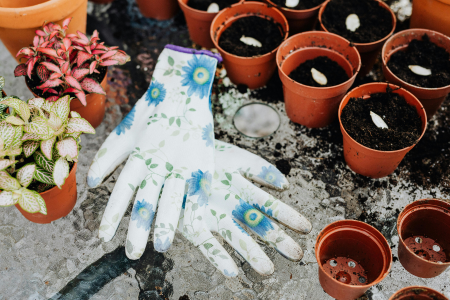
As the growing season winds down, it is tempting to hang up the gloves and wave goodbye to the garden until spring. But a little end-of-season care now pays off in a big way later. Tucking your garden in for the colder months protects your plants, enriches your soil, and gives you a head start when warm weather returns.
Here is a simple guide to putting your garden to bed, whatever the size of your space.
Start With a Thoughtful Cleanup
A tidy garden is a healthy garden, but “tidy” does not have to mean “bare.” Aim for balance.
- Remove spent annuals, pulling them up by the roots and adding healthy plant material to your compost pile.
- Clear away diseased or pest-infested plants and dispose of them in the trash rather than your compost, so problems do not carry over to next year.
- Pull weeds before they set seed. A few minutes now can save you hours in spring.
- Rake fallen leaves from lawns and garden beds, but consider saving some to use as mulch or compost material.
Care for Your Perennials
Perennials come back year after year, and a little care now helps them return strong.
- Cut back plants that have turned brown or mushy, leaving a few inches of stem.
- Consider leaving seed heads on plants like coneflowers or ornamental grasses. They add winter interest and provide food and shelter for birds and beneficial insects.
- Divide overcrowded clumps if the plant type is suited to fall division. Check the needs of each variety before digging in.
- Water well before the ground freezes, especially for newly planted perennials and evergreens.
Not every plant needs the same treatment, so when in doubt, look up the specifics for each variety in your garden.
Feed and Protect the Soil
Healthy soil is the foundation of a thriving garden, and fall is the perfect time to give it some love.
- Add a layer of compost or aged manure to your beds. It will break down over winter and feed the soil.
- Spread two to three inches of mulch around perennials, shrubs, and trees to help insulate roots and retain moisture. Keep mulch a few inches away from stems and trunks.
- Consider planting a cover crop in vegetable beds if your climate allows. Cover crops help prevent erosion and add nutrients.
- Avoid leaving soil bare when you can, since exposed soil is more prone to erosion and weeds.
Plant for Spring
Fall is not just an ending. It is also a beginning.
- Plant spring-blooming bulbs such as tulips, daffodils, and crocuses while the soil is workable.
- Garlic is typically planted in the fall in many regions, and it rewards you with a summer harvest.
- Check your local planting guidelines for the right timing in your area.
Imagine how rewarding it will be when those first blooms appear after a long winter.
Tend to Trees, Shrubs, and Roses
Different woody plants have different needs, so be selective with your pruning.
- Avoid heavy pruning of most shrubs in late fall, as it can encourage new growth that is vulnerable to cold.
- Remove dead, damaged, or crossing branches.
- Protect tender plants with burlap wraps or protective covers if your area gets harsh winter weather.
- Check stakes and ties on young trees to make sure they are secure.
Care for Containers and Garden Features
Containers and outdoor features need winter prep, too.
- Empty and clean terracotta and ceramic pots, which can crack when water freezes inside. Store them in a sheltered spot.
- Bring in tender potted plants or move them to a protected location before the first frost.
- Drain and store hoses, and shut off outdoor water lines according to your home’s needs to help avoid frozen pipes.
- Clean and store birdbaths, fountains, and rain barrels as needed.
- Leave a source of fresh water for birds if you can.
Show Your Tools Some Love
Your tools have worked hard all season. A little care now means they will be ready when you are.
- Scrape off dirt and rinse tools with water, then dry them thoroughly.
- Sharpen blades on pruners, shovels, and hoes.
- Wipe metal surfaces with a lightly oiled rag to prevent rust.
- Drain fuel from gas-powered equipment or add a stabilizer, following the manufacturer’s instructions.
- Store everything in a clean, dry spot, and consider organizing a dedicated shelf or wall rack so you can find things easily.
Make a Plan While It’s Fresh
Before you head indoors for the season, take a few minutes to jot down notes. What thrived? What struggled? Where did you wish you had more color or less shade? Take photos of your beds and keep a simple garden journal. These notes will be a treasure when you are dreaming up next year’s garden over a warm cup of tea.
Rest Now, Bloom Later
Putting your garden to bed is a satisfying ritual. It closes out the season with care and sets the stage for new growth. A few thoughtful tasks this month will help ensure your yard looks beautiful when spring arrives, and that is a gift you will be glad you gave yourself.


