
There’s a narrow window each fall when the weather is cool enough to think about winter prep but mild enough to still comfortably work outside. Taking advantage of that window with a thorough winterizing checklist can save you from scrambling once temperatures really drop, and can prevent some genuinely costly problems down the road.
Seal Drafts Around Windows and Doors
Air leaks around windows and doors are one of the biggest culprits behind high winter heating bills. Run your hand around frames on a breezy day to locate drafts, then address them with weatherstripping, caulk, or a door sweep as needed. This is one of the most cost-effective winterizing tasks on the list, often paying for itself within a single heating season.
Have Your Heating System Serviced
A furnace or heat pump that hasn’t been serviced in a year benefits from a professional inspection before it’s working overtime. A technician can clean components, check for efficiency issues, and catch small problems before they become expensive mid-winter breakdowns. At minimum, replace the air filter, a task most homeowners can handle themselves in minutes.
Clean the Gutters
Clogged gutters filled with fallen leaves can cause water to back up and freeze, potentially leading to ice dams that damage your roof and siding. Clearing gutters before the first freeze, and checking that downspouts direct water well away from the foundation, is a relatively simple task that prevents a much bigger headache later.
Insulate Exposed Pipes
Pipes in unheated areas, basements, crawl spaces, garages, are vulnerable to freezing and bursting in cold weather. Foam pipe insulation is inexpensive and easy to install, and it’s worth the small investment to avoid a burst pipe and the water damage that comes with it.
Check the Roof
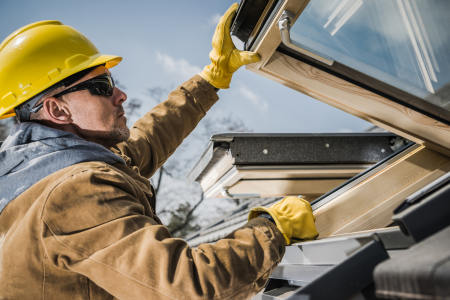
A quick visual inspection (or a professional one, if your roof is difficult to access safely) can catch missing or damaged shingles before winter weather makes small problems worse. Look for signs of wear, especially around chimneys, vents, and skylights, where leaks are most likely to originate.
Reverse Ceiling Fans
Most ceiling fans have a switch to reverse their direction for winter. Running fans clockwise at a low speed pushes warm air, which naturally rises, back down into the room, helping your heating system work a little less hard.
Drain and Store Outdoor Hoses and Faucets
Leaving water in outdoor hoses or spigots over winter can lead to freezing and cracked pipes. Disconnect and drain hoses, and if you have exterior faucets without frost-proof protection, consider an inexpensive faucet cover for extra insurance against freezing.
Test Smoke and Carbon Monoxide Detectors
As heating systems and fireplaces come back into regular use, it’s an ideal time to test detectors and replace batteries if needed. This is a quick task that takes on extra importance as the season shifts toward more indoor heating use.
Stock Up Before You Need To
A few practical supplies are worth having on hand before the first real cold snap: ice melt or sand for walkways, a working snow shovel, extra batteries, and any emergency supplies your household typically wants during winter weather events.
A Little Prep Goes a Long Way
Winterizing isn’t about tackling every task in a single weekend, it’s about working through this list steadily over the coming weeks so nothing catches you off guard once temperatures drop for good.
A well-prepared home heads into winter more efficiently, more safely, and with far fewer surprises along the way.


