

Spring is a season of renewal, and the produce aisle—or your backyard garden—begins to fill with vibrant fruits and vegetables packed with nutrients and fresh flavor. After the heavier meals of winter, spring produce offers a refreshing way to bring lighter, healthier meals back to the table. Whether you’re shopping at a local market or harvesting from your own garden, incorporating seasonal ingredients into your weekly routine can improve nutrition, add variety to meals, and inspire new cooking habits.
Below are some of the healthiest spring fruits and vegetables, along with easy ideas for using them in everyday meals.
Asparagus: A Springtime Nutritional Powerhouse
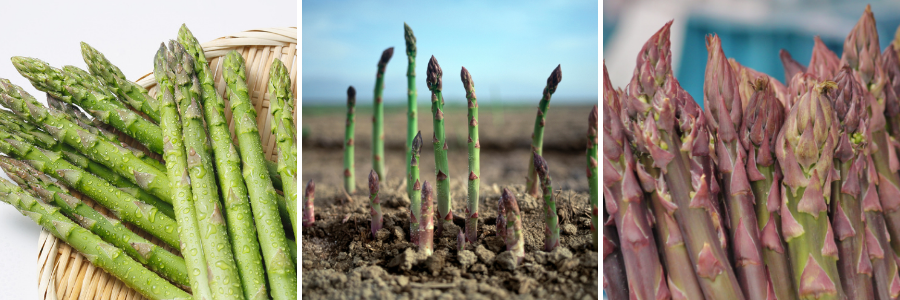
Asparagus is one of the most iconic vegetables of spring, appearing in gardens and farmers markets early in the season. It’s rich in fiber, folate, and vitamins A, C, and K, making it excellent for supporting immune health and digestion.
Simple preparation ideas:
- Roasted asparagus: Toss spears with olive oil, salt, pepper, and garlic. Roast at 400°F for about 12–15 minutes until tender. Finish with a squeeze of lemon.
- Asparagus breakfast scramble: Chop lightly steamed asparagus and add it to scrambled eggs with tomatoes and feta cheese.
- Spring pasta: Combine roasted asparagus with whole wheat pasta, olive oil, lemon zest, and parmesan.
For home gardeners, asparagus is a perennial crop, meaning it can produce for many years once established—making it a rewarding addition to a garden bed.
Strawberries: Sweet, Bright, and Nutrient-Rich
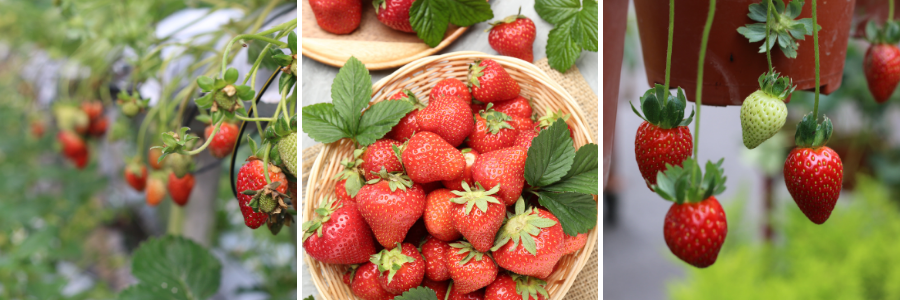
Strawberries are often one of the first fruits to appear in late spring, and they’re packed with antioxidants, vitamin C, and fiber. Their natural sweetness makes them incredibly versatile for both snacks and meals.
Effortless ways to enjoy strawberries:
- Strawberry spinach salad: Toss sliced strawberries with spinach, walnuts, goat cheese, and balsamic vinaigrette.
- Healthy smoothies: Blend strawberries with Greek yogurt, banana, and almond milk for a quick breakfast.
- Simple dessert: Slice strawberries and drizzle with a small amount of honey and fresh mint.
For gardeners, strawberries grow well in containers, raised beds, or traditional garden plots. With proper care, many varieties will produce fruit year after year.
Spinach: A Versatile Superfood
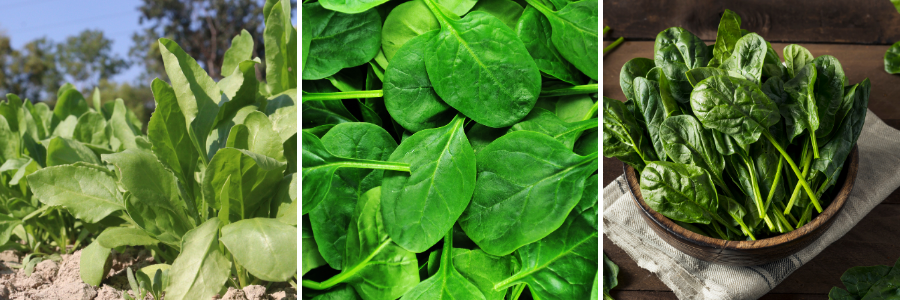
Spinach thrives in the cool temperatures of early spring and is one of the most nutrient-dense leafy greens available. It contains iron, calcium, magnesium, and vitamins A and C, supporting bone health and energy levels.
Meal ideas using spinach:
- Spinach omelet: Sauté spinach with mushrooms and onions, then fold into eggs with shredded cheese.
- Green smoothies: Blend spinach with pineapple, banana, and coconut water for a refreshing drink.
- Quick sautéed side: Cook spinach in olive oil with garlic and a pinch of red pepper flakes for a simple side dish.
Spinach is also one of the easiest crops for beginner gardeners, growing quickly and thriving in containers or small garden spaces.
Radishes: Crisp, Peppery, and Refreshing
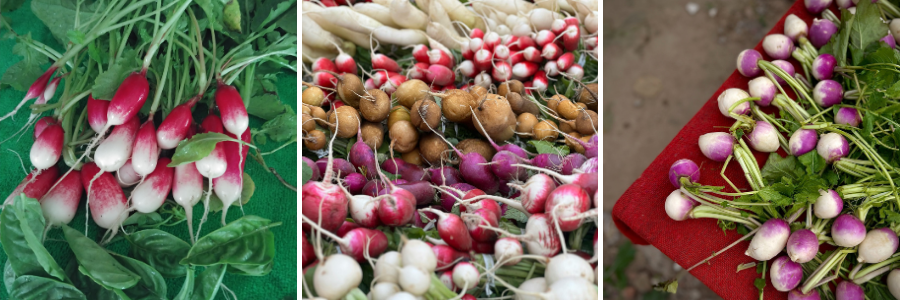
Radishes add a crisp texture and mild peppery flavor to spring meals. They’re low in calories and rich in vitamin C and antioxidants.
Ways to incorporate radishes into meals:
- Spring salads: Thinly slice radishes and toss them with mixed greens, cucumbers, and lemon vinaigrette.
- Roasted radishes: Roasting softens their sharp flavor. Toss with olive oil and roast until tender.
- Avocado toast topping: Add thin radish slices on top of avocado toast for crunch and color.
Radishes grow quickly, often ready for harvest within a month, making them ideal for gardeners eager for early spring results.
Peas: Sweet and Protein-Rich
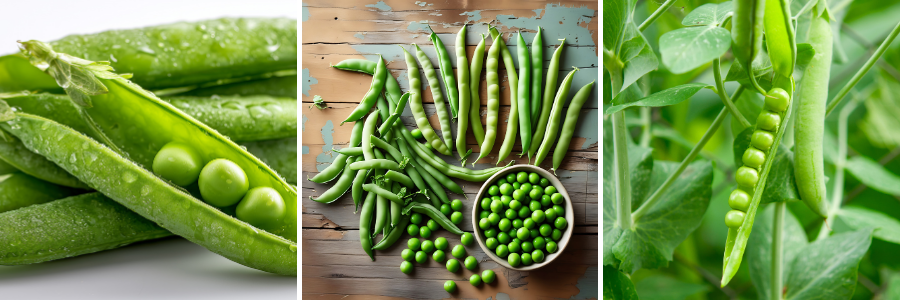
Peas, including snow peas and sugar snap peas, are another spring favorite. They contain fiber, plant-based protein, and vitamins A, C, and K.
Delicious ways to enjoy peas:
- Pea and mint salad: Combine fresh peas with chopped mint, lemon juice, olive oil, and feta cheese.
- Quick stir-fry: Add snap peas to a vegetable stir-fry with garlic, ginger, and soy sauce.
- Creamy pea soup: Blend peas with vegetable broth, sautéed onions, and herbs for a light spring soup.
Peas grow well on trellises in home gardens and are a fun crop for gardeners because children and adults alike enjoy picking them fresh from the vine.
Carrots: Sweet, Crunchy, and Full of Vitamins
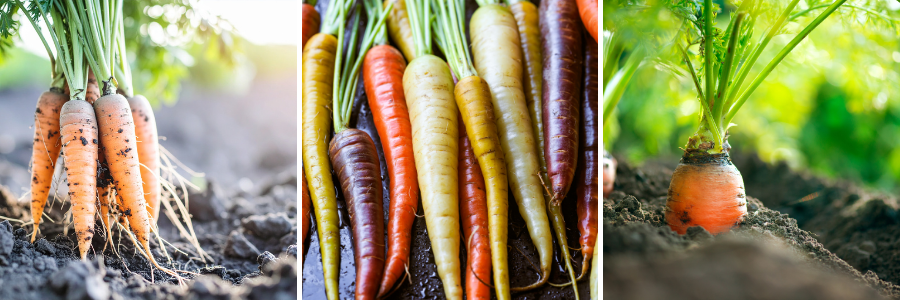
Carrots harvested in spring tend to be especially sweet and tender. They are high in beta-carotene, which the body converts into vitamin A—important for eye health and immune support.
Creative ways to use carrots:
- Roasted carrots: Toss with olive oil, honey, and thyme before roasting until caramelized.
- Carrot slaw: Shred carrots and mix with cabbage, apple cider vinegar, and a touch of honey.
- Vegetable snack plates: Pair carrot sticks with hummus or yogurt-based dips.
Carrots grow well in loose soil and raised beds, making them another great option for backyard gardeners.
Tips for Incorporating Spring Produce into Weekly Meals
Bringing more seasonal produce into your meals doesn’t require complicated recipes. A few simple habits can make it easy:
1. Build meals around vegetables.
Instead of choosing a main dish first, start by selecting a seasonal vegetable. For example, roasted asparagus or sautéed spinach can inspire a simple pasta, grain bowl, or omelet.
2. Prep produce in advance.
Wash, chop, and store fruits and vegetables in containers at the start of the week. Having them ready to grab makes it easier to add them to meals or snacks.
3. Mix raw and cooked options.
Some vegetables shine when eaten fresh, like radishes or strawberries, while others develop deeper flavor when roasted or sautéed.
4. Use herbs and citrus.
Spring dishes benefit from bright flavors like lemon, mint, basil, and parsley. These ingredients highlight the natural freshness of seasonal produce.
5. Try a “spring bowl.”
Combine cooked grains like quinoa or brown rice with roasted vegetables, fresh greens, and a light dressing for a quick, nutritious meal.
Fresh Flavor for the Season Ahead
Spring fruits and vegetables offer an opportunity to refresh your meals with color, flavor, and nutrition. Whether you’re visiting a farmers’ market, grocery store, or harvesting from your own backyard garden, these seasonal ingredients can easily become the centerpiece of healthy weekly meals.
Simple cooking methods—like roasting, sautéing, or blending into smoothies—allow their natural flavors to shine. By incorporating a few of these spring favorites into your routine, you can enjoy meals that feel lighter, brighter, and perfectly suited for the season.


