Realty Executives of Northern Arizona
With both a wild-west past and an outdoor spirit, Williams, Arizona, is rich in opportunities for exploration and adventure. The historic downtown is home to diverse shops, including jewelry galleries and unique hand-made goods. Visitors can find a range of gear, gifts, books and specialty items too.
Route 66 is notable for its unique boutiques, hotels, cafes and art galleries featuring locally crafted items. Natural attractions include mountain views, wide canyons, serene lakes and over 100 miles of hiking trails, perfect for off-road exploration.
Visitors can spend time in the picturesque mountain air, surrounded by ponderosa pines near clear lakes. The area offers activities like horseback riding ,camping, hiking and fishing in the scenic Kaibab National Forest.
1. Canyon Coaster Park
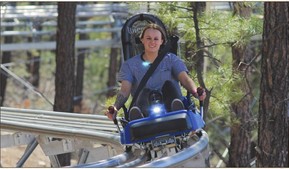
Canyon Coaster Adventure Park is the newest addition ot the bustling town of Williams. It offers year-round fun for the entire family with attractions that include a coaster, winter and summer tubing hill, a base lodge with grab and go grill, along with a snow play area.
Take a break and hang out by the fire on the outdoor patio. The lodge features an outdoor deck that has seating and views of all the activities and four big screen onitors ewhere customers can review and purchase videos and photographs of the rides.
2. Bearizona
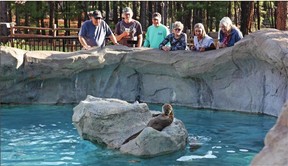
Bearizona Wildlife Park is an Arizona one-of-a-kind destination that calls Williams home. The park houses a variety of animals, including bears, worlves, bighorn sheep and bison. Visitors can explore the walk-thru park or drive-thru in the comfort of their own vehicle to see animals up close in their natural habitat.
After years of requests for "behind the scenes" experiences, Bearizona has announced a new VIP program, where you can go backstage and meet the wildfife park's animal ambassadors and their friendly keepers. This up-close experience will fill our camera roll as well as your heart.
3. Grand Canyon Railway
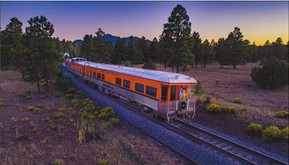
The historic Grand Canyon Railway departs daily from Williams to the awe-inspiring Grand Canyon. Enhance your Grand Canyon experience with an entertaining train ride featuring western musicians and cowboy characters on vintage rail cars.
Out your window, the terrain changes from high desert to prairie, prairie to pine. It's a view that's ever-changing until you come across a view so brilliant, it could very well change you.
See more package options, make reservations and learn all about the popular Polar Express at TheTrain.com.
Williams is a Northern Arizona gem, offering a mix of history and adventure for all to enjoy.
For more information, go to GrandCanyonTourGuide.com.
And when you are in Flagstaff, come by or give our office a call to learn more about the real estate market in Northern Arizona!
|
Welcome Autumn! Our temperatures have dropped a bit bringing a transformation to the whole town. Golden aspens shimmer on the mountainsides (and along the streets), the air is crisp with the scent of pine, and the community comes together to celebrate the season. Whether you’re a long-time local, a new homeowner, or just exploring the idea of living here, fall is one of the best times to experience all the things to do in Flagstaff in the fall. Best Spots for Leaf-Peeping Few places in Arizona rival Flagstaff’s fall foliage. The San Francisco Peaks put on a breathtaking show from late September through mid-October, with aspen groves glowing in shades of gold and orange.
Family-Friendly Autumn Activities Fall in Flagstaff is all about cozy, community traditions. Families can find no shortage of seasonal fun:
Taste the Flavors of the Season Flagstaff’s vibrant food and drink scene shines in the fall. From handcrafted brews to fresh farmer’s market finds, there’s something for everyone.
Fall in the Flagstaff Real Estate Market Just as the seasons shift, so does the housing market. Fall often brings a more balanced pace after the busy summer months.
If you’re considering buying or selling this season, I’d love to guide you through the process and share insights specific to your neighborhood. Why I Love Fall in Flagstaff From breathtaking hikes to family-friendly festivals, fall in Flagstaff is about more than just cooler weather—it’s about community, connection, and the beauty of mountain living. Whether you’re sipping cider at a local brewery or cozying up in your own home, autumn here is a reminder of why Flagstaff is such a special place to call home. Blessings, Kim |
||
|
Kimberlie Geile-Gonzalez, Realtor, GRI, SRES, rCRMS, ABR, e-Pro, AHWD, SRS, PSA, RENE
Realty Executives of Northern Arizona
15 E Cherry Ave.
|
New app aims to ease bike route guidance in Flagstaff
SAM MCLAUGHLIN Sun Staff Reporter, Arizona Daily Sun
Sep 3, 2025
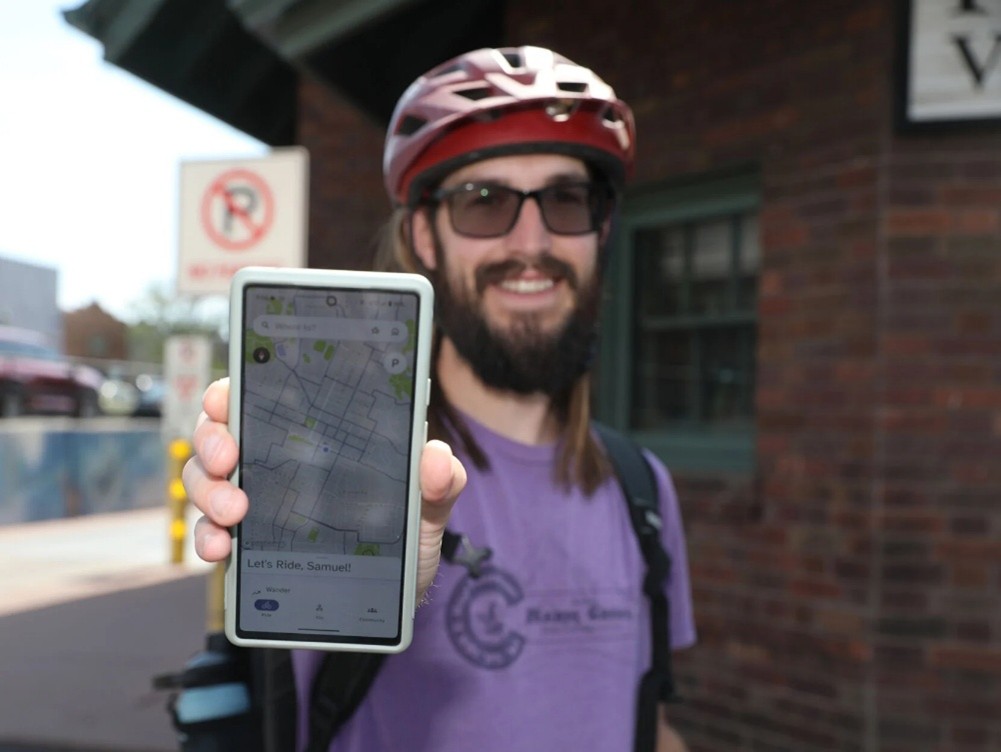
Sam Noble stands in downtown flagstaff at the train station with his Bike Streets app on his phone. The app helps cyclists find low-stress and low-traffic routes to use through cities and towns.
Jake Bacon, Arizona Daily Sun
Looking for a better way to get around Flagstaff by bike? Now there’s an app for that.
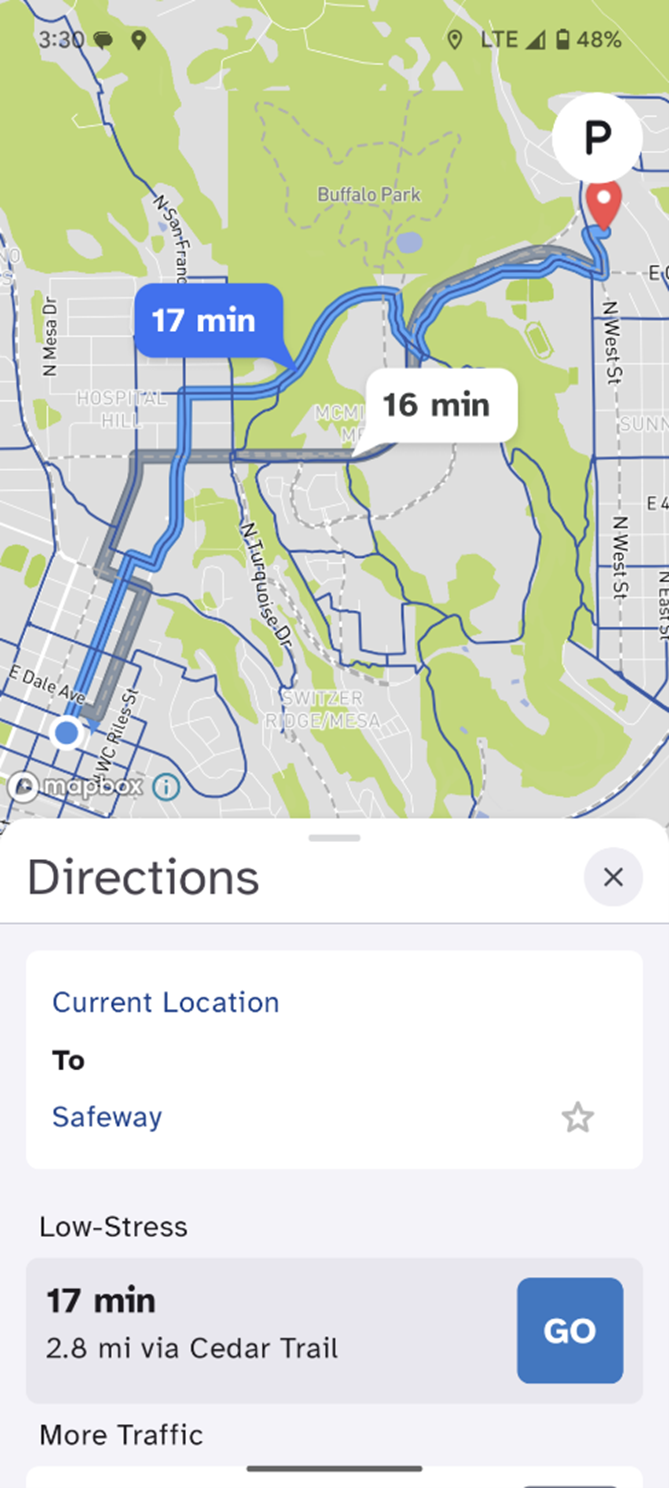
Bike Streets, first launched in Denver, will be available for Flagstaff users beginning Sept. 3. The app’s core feature is its “low-stress” bike map, created and verified by local riders. That map allows the app to suggest routing options based on safety and rider comfort, rather than just the shortest travel time.
“I think a lot of people, when they think of bike routes to and from point A to point B, your brain is immediately going to go to the route that you take via car,” said Sam Noble, who’s been helping build out the Flagstaff map. “And that is not always going to be the best route -- and most often it’s not the best route to go -- if you’re on a bike.”
The low-stress bike map prioritizes quieter roads with less traffic, pathways like the Flagstaff Urban Trail System or protected bike lanes (where available). The goal, according to Noble, is to make the experience of commuting or traveling by bike less intimidating for people who don’t feel comfortable riding in or alongside heavy car traffic and to demonstrate that safe options exist.
Sam Noble, courtesy
“This allows us to use what’s currently on the ground and get people who might be timid or don’t know the routes, to get them out of the house and out of the car,” Noble said.
Avi Stopper, one of the founders and developers of Bike Streets, said he’s come to believe that almost every city possesses “a high-comfort bike network hiding in plain sight.”
“We aren’t suggesting that the infrastructure that exists is perfect, by any stretch of the imagination,” Stopper said.
But by tapping into local “folk knowledge” about which roads are safest, or which trails and paths can provide overlooked connections, he believes the low-stress bike maps can convince more people to make more trips by bike without waiting for a perfect network of dedicated infrastructure to be built.
And in the process, he hopes the app will expand the cycling constituency and generate support for eventual improvements.
“We’re trying to build a movement of people who are already riding, who are pressing local leaders to make the investments to improve the facilities,” Stopper said.
One of the biggest obstacles to making trips by bike easier, he noted, is that cities and towns tend to focus on individual projects rather than thinking about the broader picture of connectivity.
“That is one of the things that has really bedeviled bike infrastructure for decades -- we build isolated bike lanes,” he said.
Noble, similarly, said he’d like to see Flagstaff continue to improve its cycling infrastructure through incremental upgrades, and improve connectivity between different zones of the city.
“The FUTS [Flagstaff Urban Trail System] network in Flagstaff is fantastic, but there are missing gaps in it,” Noble said. “So I’d love to see those filled out a little more.”
The Flagstaff bike map is a collaboration between Bike Streets’ developers and the group Flagstaff Strong Towns, a local chapter of a nonprofit organization that is critical of suburban development patterns in the U.S. and advocates for “a shift on local streets from automobile throughput to safety and wealth creation.”
Zak Skelton, an organizer with Flagstaff Strong Towns, said the map can be a useful tool for identifying areas where a little bit of investment could go a long way.
“Working with Bike Streets and mapping and finding those gaps in service, we can start finding those lynchpin pieces where we can make small changes ... to increase the quality of service for everyone in the community,” Skelton said.
As one example, he cited the sidewalk along Route 66 where the road dives beneath the BNSF railway bridge.
“I see people bike all the time in both directions on that very small sidewalk that’s on the west side of that underpass. That, I would call a gap in service,” Skelton explained.
Skelton is also hopeful that the app could facilitate a different kind of experience for Flagstaff's numerous out-of-town visitors.
“I hear all the time: ‘Well, the tourists come, and they bring their cars, and therefore we need to provide car parking or we need to provide car infrastructure for the tourists.’ And I think Bike Streets would be a great opportunity for someone coming up from Phoenix,” he said.
“Sure, they’ll stay in a hotel or they’ll stay in their Airbnb, but once they get here, maybe they leave their car behind -- wherever that is -- and they can bike downtown to use a local restaurant,” he added. “They can bike onto campus to see a musical. … They can really experience the city at a human scale instead of on a car-based scale.”
The Flagstaff team has also developed a low-stress bike map for the Grand Canyon village at the South Rim in an attempt to encourage visitors there to explore outside of their car.
Zak Skelton, courtesy
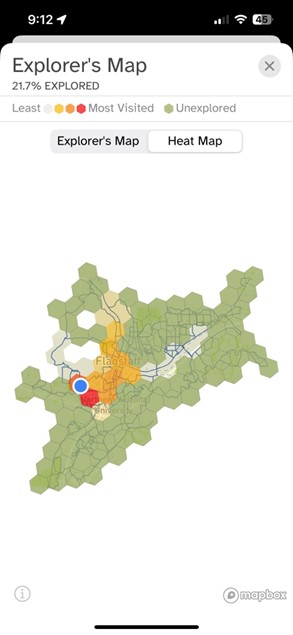
Like many other navigation apps, Bike Streets offers routing and turn-by-turn directions. It also includes an “Explorer’s Map,” which shows what sections of the city a user has or hasn’t visited, and a heat map, which shows a user’s most frequently visited areas. The bike map will also highlight points of interest.
Taken together, Noble and Skelton hope these features will encourage riders to visit new zones and become more familiar with their city.
“I’m riding around on the beta [version] currently, and it has gotten me to take different routes than I would normally take,” Noble said. “So I’ve experienced my city in a different way than I typically would.”
And they recognize that, to keep the map as up-to-date and accurate as possible, user feedback will be important.
“Once we are live, and it’s open to the public, there will be opportunities to submit suggestions or recommendations or issues with the app,” Noble said. “That way it can constantly be evolving.”
The Denver low-stress bike map has gone through thousands of incremental revisions, Stopper said, as more and more users contribute their insights.
“There’s this magic that happens when you have a lot of people riding bikes on the same streets,” Stopped added. “And that magic is sort of a feeling of strength in numbers. You can feel the joy just flowing around.
Stopped added: What we are trying to create is a community-organizing tool, in its essence, that gets people on the same page and riding on the same streets.”
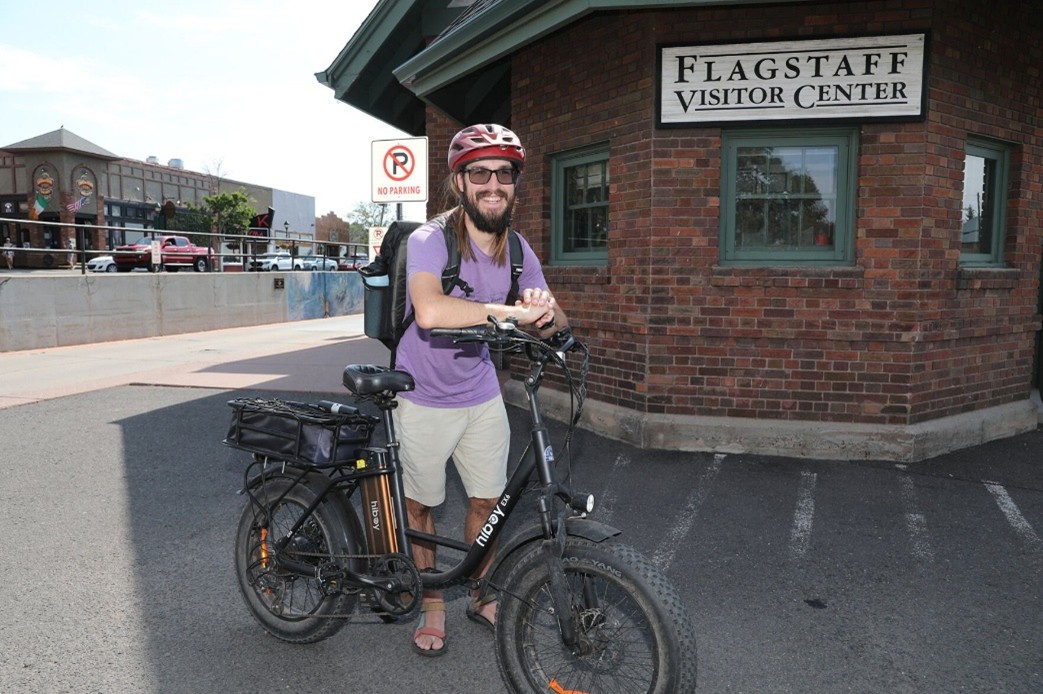
Jake Bacon, Arizona Daily Sun
Bike Streets is available for download through the Apple App Store or the Google Play Store. More information is available at bikestreets.com.
Someone once said, “Summer should get a speeding ticket,” and that doesn’t feel truer than in August. So, I hope you can slow summer down just a little this month and enjoy it before getting back into a busy routine.
This month, we’re diving deeper into how the Flagstaff housing market is performing across different price ranges. By looking at active listings, sales activity, and time on market, we can see where the strongest demand is and where buyers may have more negotiating power.
In the $500k–$599k range, homes are moving more slowly, with over nine months of supply and relatively few sales. Properties are staying on the market nearly two months before closing, creating favorable conditions for buyers looking to negotiate.
The $600k–$699k range is the most active segment of the market. With nearly 30 sales, just under five months of supply, and homes closing at nearly full price, this range is the most competitive. Buyers need to act quickly and come in strong, while sellers are well-positioned to attract multiple offers.
As we move into the $700k–$799k range, activity remains steady, though inventory is higher and homes are spending slightly longer on the market. This creates a more balanced environment where both buyers and sellers have room to maneuver.
The $800k–$899k range is slower, with homes averaging 80 days on the market before selling. While there are still steady closings, sellers often need to be flexible on price or offer buyer incentives to move their properties.
At the top end, the $900k–$999k range shows fewer transactions and longer marketing times. Buyers have more leverage here, while sellers need patience and strong marketing strategies to secure offers.
Brief take-aways:
Wishing you an enjoyable rest of your summer, and as always, for any real estate-related questions or concerns, please don’t hesitate to contact me. I’m just a phone call or email away.
Blessings,
Kim
|
|
|
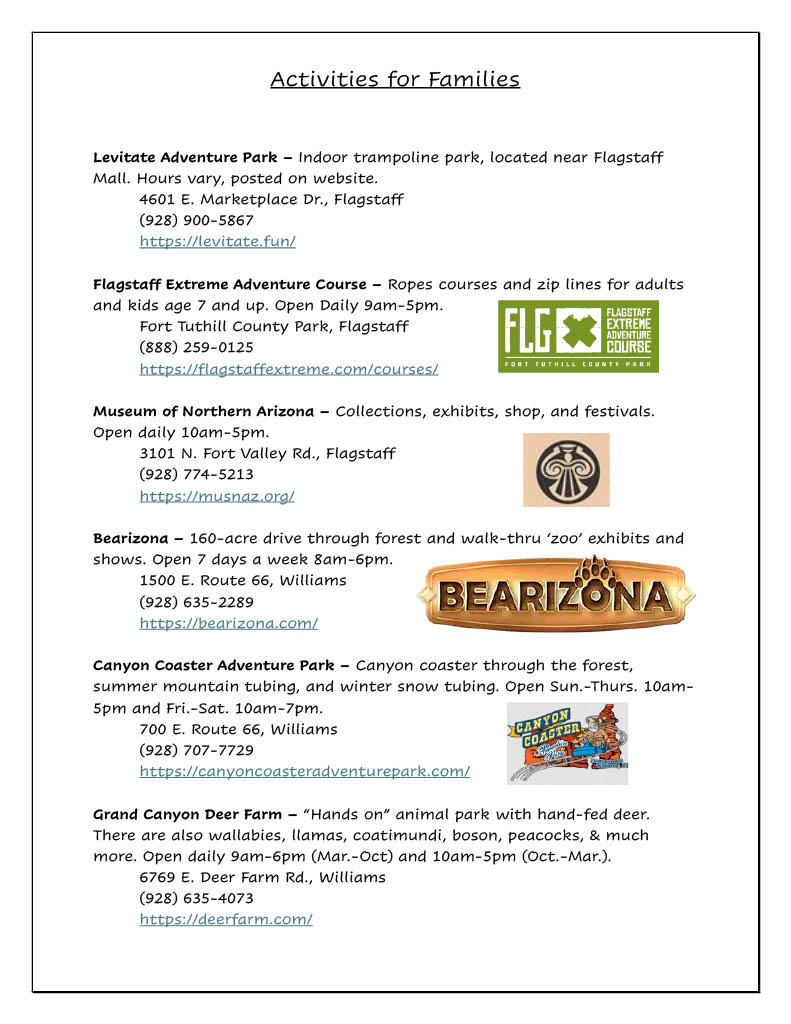
Welcome to Flagstaff! Whether you are here vacationing or searching for a home, or both! Here are a few fun family-friendly activities to check out while you are here.
Come by the office or give us a call if you have questions about the area and the real estate market in northern Arizona!
Where the Experts are - Serving Flagstaff and Northern Arizona since 1977
 |
|
 |





 Realty Executives of Northern Arizona