Realty Executives of Northern Arizona
Exploring the Unique Flora and Fauna of Flagstaff, Arizona
Nestled at an elevation of 7,000 feet in the heart of northern Arizona, Flagstaff is a surprising ecological gem. Unlike the stereotypical image of Arizona’s desert landscapes, Flagstaff is surrounded by lush forests, alpine meadows, and volcanic peaks. This diverse environment, shaped by its elevation and proximity to the San Francisco Peaks, supports an array of flora and fauna that are unique to the region.
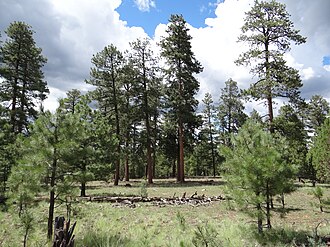
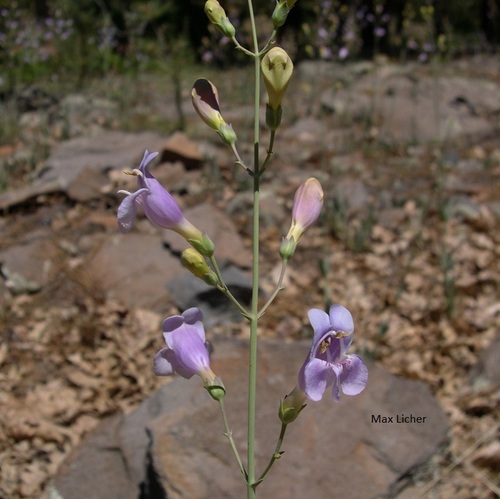
At higher elevations on the San Francisco Peaks, the landscape transitions to subalpine and alpine zones, where unique plant species like alpine avens and skyrocket gilia thrive in harsh, wind-swept conditions. Some of these species, like the San Francisco Peaks groundsel, are found nowhere else in the world.
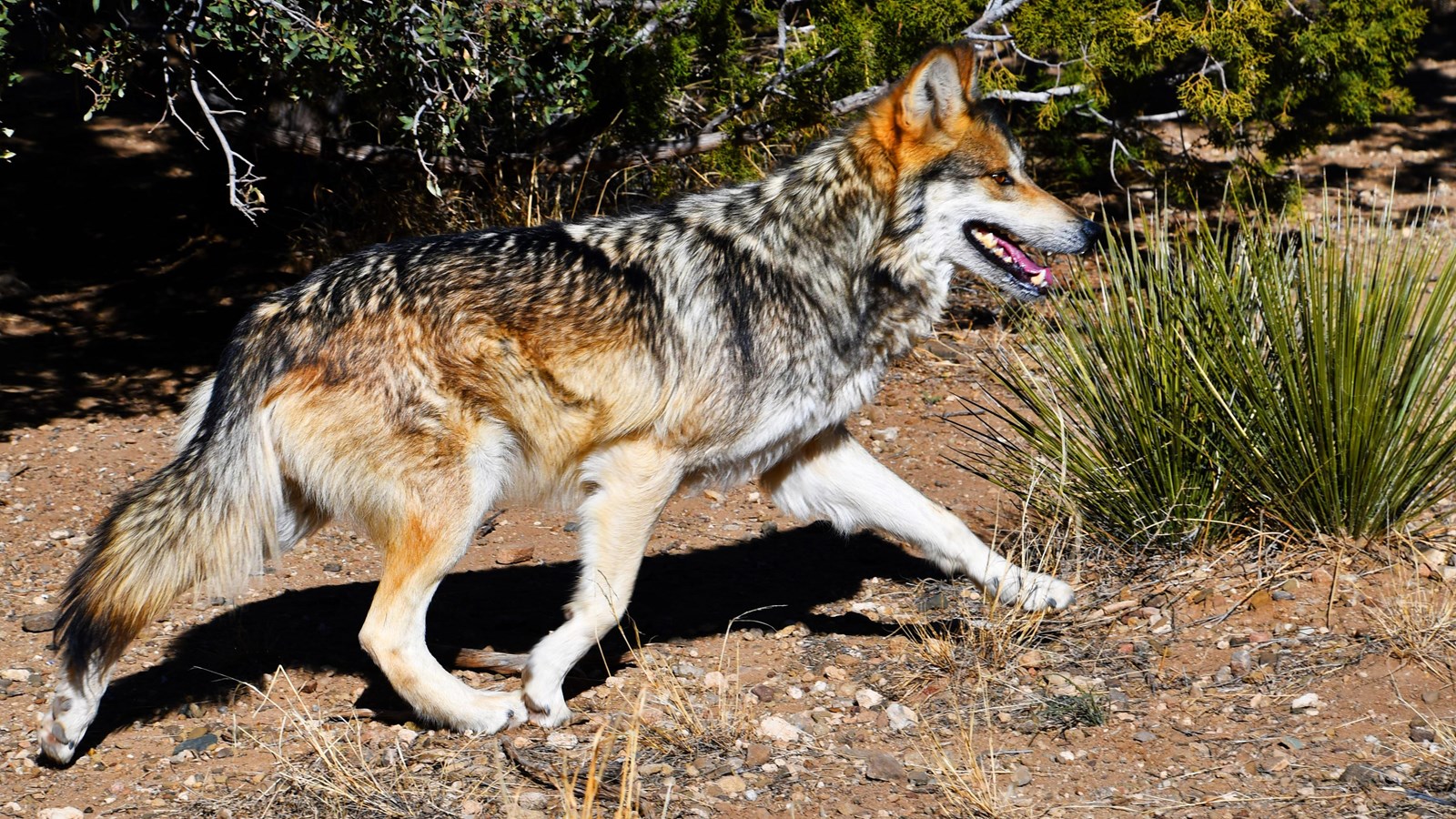
Flagstaff’s varied habitats support an equally diverse range of wildlife. Iconic species include elk, mule deer, and black bears, all commonly spotted in the surrounding Coconino National Forest. The area is also home to more elusive creatures such as mountain lions, Mexican wolves (pictured) and gray foxes.
Birdwatchers will find Flagstaff a haven for unique and migratory birds. The Lewis's woodpecker, western bluebird, and peregrine falcon are frequently seen, and the region is a critical part of the flyway for many species.
One of the rarest and most unique inhabitants is the Kaibab squirrel (pictured), 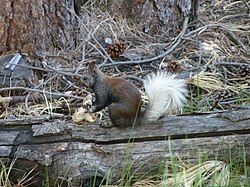
Flagstaff’s unusual mix of high elevation, volcanic soil, and protected wilderness makes it a biodiversity hotspot in the Southwest. Whether hiking the forested trails or exploring the alpine meadows of the San Francisco Peaks, visitors are sure to encounter an impressive array of plants and animals found nowhere else in Arizona—or even the world.
Ready to put down some roots in Northern Arizona? Come by the office or call to speak with a knowledgeable and friendly Realtor®!
|
Happy (almost) Thanksgiving! As the season of gratitude arrives, we’re diving into some fun, surprising, and delightful facts about this beloved American holiday. Whether you're gathering with family, cooking up a feast, or just enjoying the long weekend, these fascinating tidbits are sure to spark conversation at the table! 1. The First Thanksgiving Was a Three-Day Festival In 1621, the Pilgrims and the Wampanoag tribe shared a harvest celebration that lasted three full days—not just an afternoon meal! 2. Turkey Wasn’t the Main Dish Historical records suggest the menu likely included venison, seafood, pumpkins, and harvest crops—but probably not the oversized roast turkey we know today. 3. Thanksgiving Became a National Holiday Thanks to One Woman Writer Sarah Josepha Hale (also the author of Mary Had a Little Lamb) spent 17 years campaigning before President Abraham Lincoln declared Thanksgiving a national holiday in 1863. 4. The First Macy’s Parade Didn’t Feature Balloons The 1924 parade included animals from the Central Park Zoo instead of the giant character balloons we know and love today. This year tune into watch our own NAU Marching Band. They were chosen to do the ribbon cutting at the start of the Parade- a huge honor! To represent our city, they will be playing “Get Your Kicks on Rt. 66”! 5. Americans Eat About 46 Million Turkeys Every Year That’s nearly one turkey for every seven people in the country! 6. “TV Dinner” Was Invented Because of Thanksgiving Leftovers In 1953, Swanson ordered too many frozen turkeys—over 260 tons! To solve the problem, the company packaged the leftovers into trays and accidentally created the first TV dinner. 7. The Presidential Turkey Pardon Is a Modern Tradition Although stories trace it back to earlier presidents, the first official “pardon” occurred in 1989 under President George H.W. Bush. 8. Thanksgiving Isn’t Just American Canada celebrates Thanksgiving too—on the second Monday in October. Other countries, like Liberia and Grenada, also celebrate their own versions of a harvest holiday. 9. Black Friday Became a Shopping Term in the 1960s Philadelphia police coined the term to describe the post-Thanksgiving traffic chaos and expanded retail rush. 10. It’s the Biggest Travel Week of the Year More Americans hit the road, sky, and rails during Thanksgiving weekend than any other holiday—surpassing even Christmas. No matter how you celebrate, Thanksgiving reminds us to pause, reconnect, and express appreciation for the blessings in our lives. I am so very thankful for all of you and your families! May your holiday be filled with family, warmth and laughter. Blessings and Happy Thanksgiving, Kim
|
|
Kimberlie Geile-Gonzalez, Realtor, GRI, SRES, rCRMS, ABR, e-Pro, AHWD, SRS, PSA, RENE
Realty Executives of Northern Arizona
15 E Cherry Ave.
|
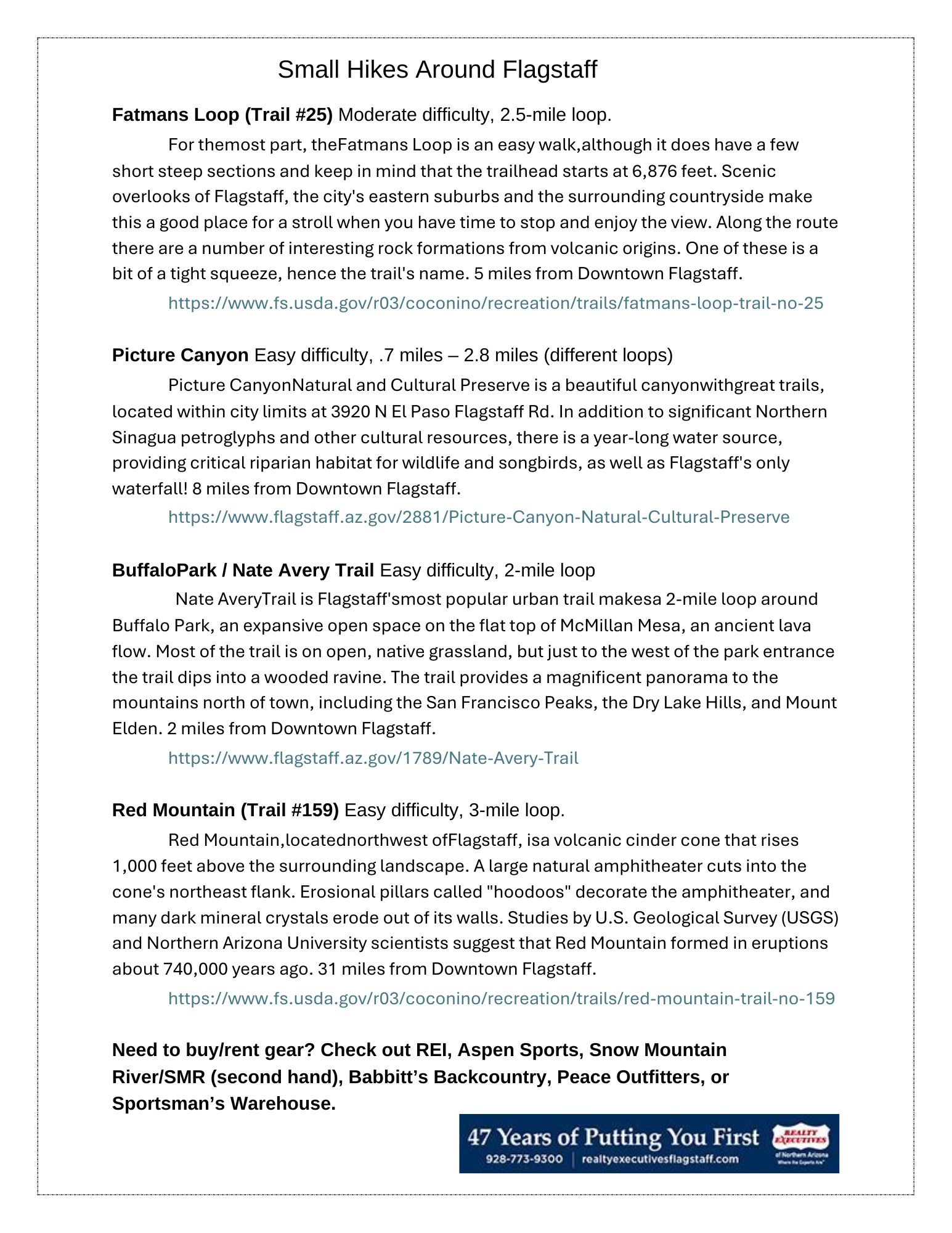
Looking for a short hike that will help you enjoy the gorgeous Flagstaff scenery? Below are a few suggestions, with a short desciption, difficulty level and hike length. Flagstaff also offers shops in town that offer outdoor gear for purchase or to rent, and a list is included below.
Now, get out there!
Known for its towering ponderosa pines and cool mountain air, Flagstaff, Arizona, may seem an unlikely place to find deep connections to space exploration. But beneath its serene surface lies a rich history of astronomical discovery and lunar preparation—making Flagstaff not only a haven for outdoor lovers but also a hidden hub for scientists, astronauts, and star-gazers alike.
From Apollo 11 through Apollo 17, all twelve astronauts who eventually set foot on the lunar surface underwent geological and surface operations training in the Flagstaff area. Flagstaff’s USGS Astrogeology Science Center coordinated much of this training. Surrounding volcanic sites—like Sunset Crater, Merriam Crater, and especially the Cinder Lake Crater Field (a man-made replica of a lunar surface)—offered realistic terrain for practicing the kinds of exploration they would do on the Moon.
Flagstaff’s journey into space science began in 1894 with the establishment of Lowell Observatory by astronomer Percival Lowell. Set on Mars Hill, this historic site played a pivotal role in planetary studies, culminating in the 1930 discovery of Pluto by Clyde Tombaugh. To this day, the observatory remains an active research center and a popular destination for those hoping to glimpse distant worlds through its telescopes.
In the 1960s, Flagstaff’s landscape became an essential training ground for the Apollo Moon missions. The U.S. Geological Survey (USGS) Astrogeology Science Center, still headquartered in the city, worked with NASA to create lunar-like terrain in areas such as Sunset Crater and Cinder Lake Crater Field. Using explosives, engineers crafted realistic craters where astronauts—including Neil Armstrong and Buzz Aldrin—practiced collecting samples, navigating the terrain, and operating lunar equipment.
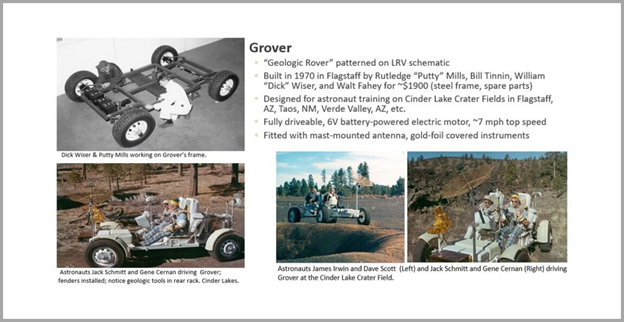
One of the most significant relics from that era is "Grover," a geological-lunar rover trainer built in Flagstaff in 1970. Used to prepare astronauts for the challenges of driving on the Moon, Grover is now proudly displayed in the lobby of the USGS Astrogeology Center, serving as a tangible link to the city's role in lunar exploration.
Today, Flagstaff continues to support NASA missions through planetary mapping, remote sensing, and public science outreach. Visitors can tour Lowell Observatory, hike through volcanic landscapes where astronauts once trained, and see Grover—the lunar rover trainer that helped carry humans to the Moon.
Flagstaff is more than just a picturesque mountain town. It’s where the natural world and the cosmos come together, offering a rare blend of history, geology, and space science. Whether you’re staring up at the stars or walking the same ground as Apollo astronauts, you’ll find yourself in a place where Earth meets the universe.
While looking up, don't forget to keep your feet on the ground, and maybe put down roots in northern Arizona. To learn more about the area and the local housing market, come by the office or call to speak to one of our on-site, and knowledgeable Realtors®!
With its sweeping pine forests, dramatic lava flows, and proximity to some of the Southwest’s most iconic landscapes, Flagstaff, Arizona has quietly become a favorite filming location for a variety of movies. Though not as widely recognized as Hollywood or even Sedona, Flagstaff’s diverse terrain and Old West charm have brought film crews to the area for nearly a century.
Flagstaff offers filmmakers a rare combination of alpine forests, volcanic landscapes, and historic towns, all within a short drive of more arid, desert scenes. This geographic versatility has allowed it to stand in for everything from the American frontier to alien planets.
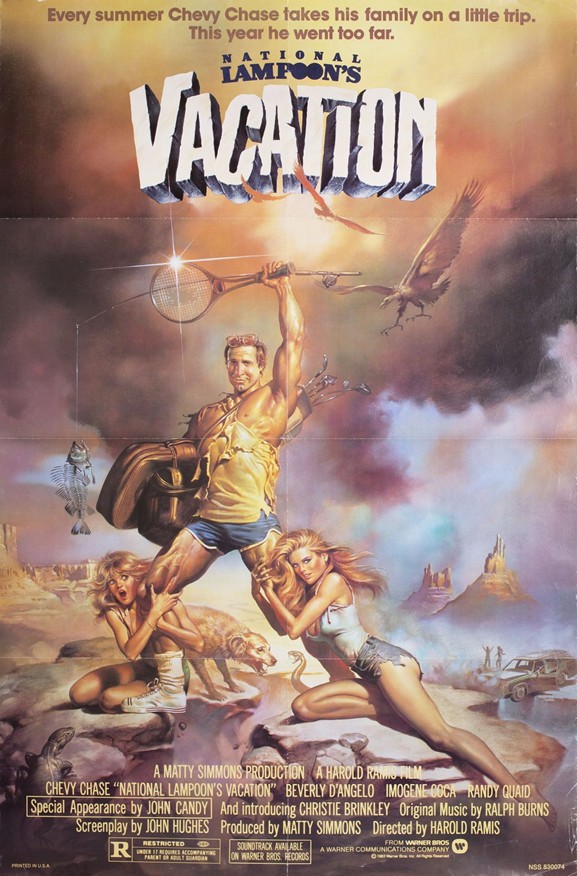
One of the most iconic road trip comedies of all time, Vacation featured scenes filmed near Flagstaff and along nearby highways. The northern Arizona roads helped depict the Griswold family's chaotic journey to the fictional Walley World.
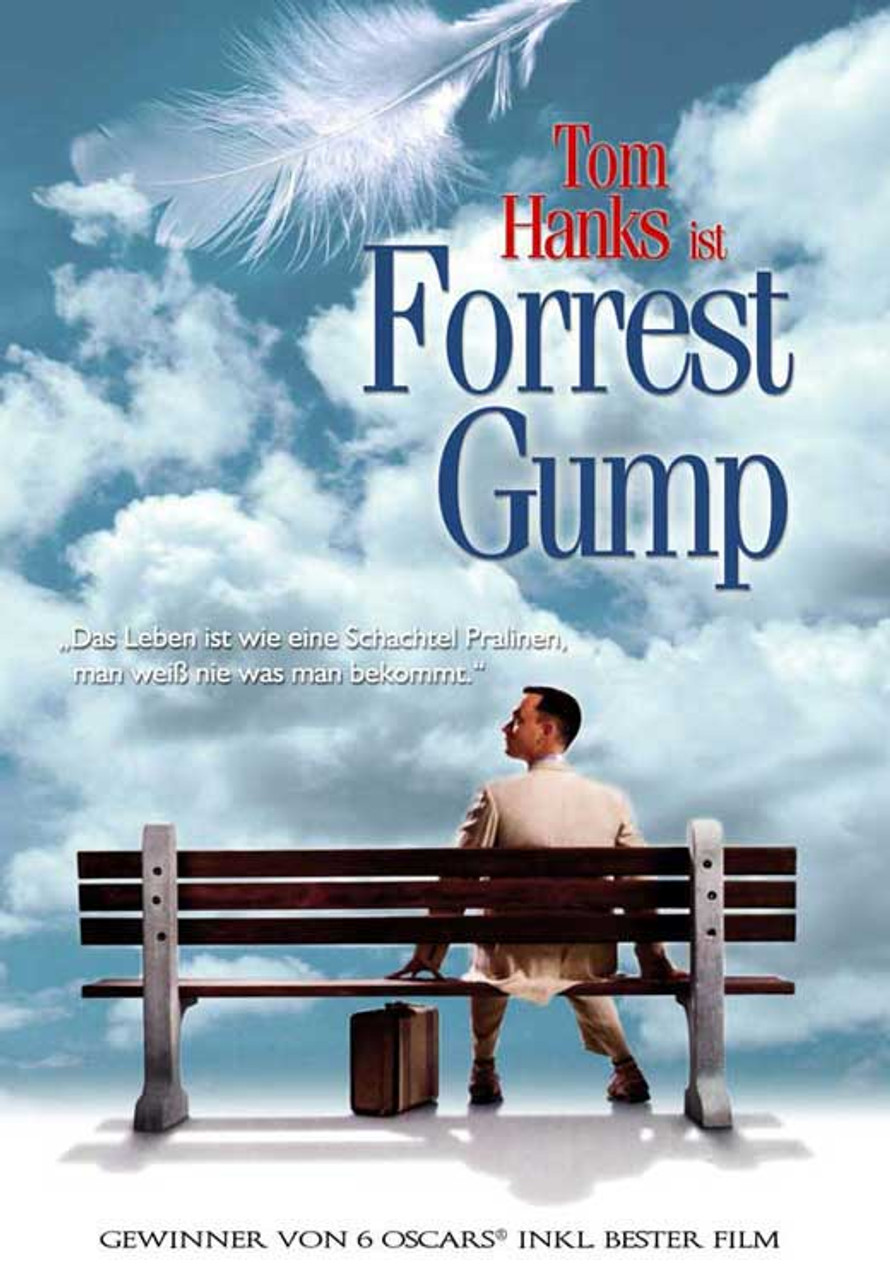 Forrest Gump (1994)
Although not filmed directly in Flagstaff, one of the most memorable scenes—Forrest running through the West with a crowd following him—was filmed just east of Flagstaff on Highway 163 in the Monument Valley area. While technically outside city limits, this region is often associated with Flagstaff’s cinematic surroundings.
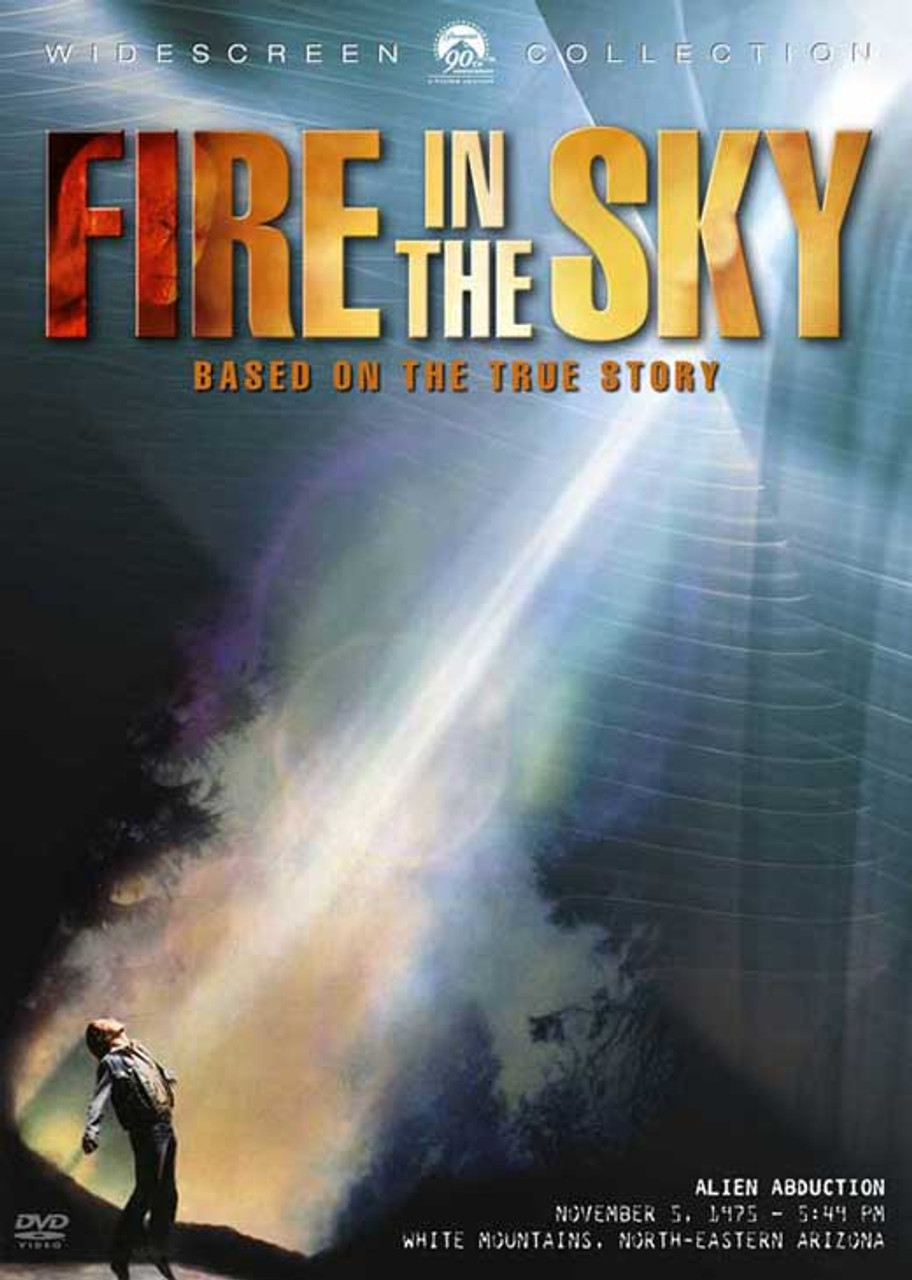
This film, based on the real-life UFO abduction claims of Travis Walton in nearby Snowflake, Arizona, used the Coconino National Forest near Flagstaff for many of its eerie, atmospheric woodland scenes.
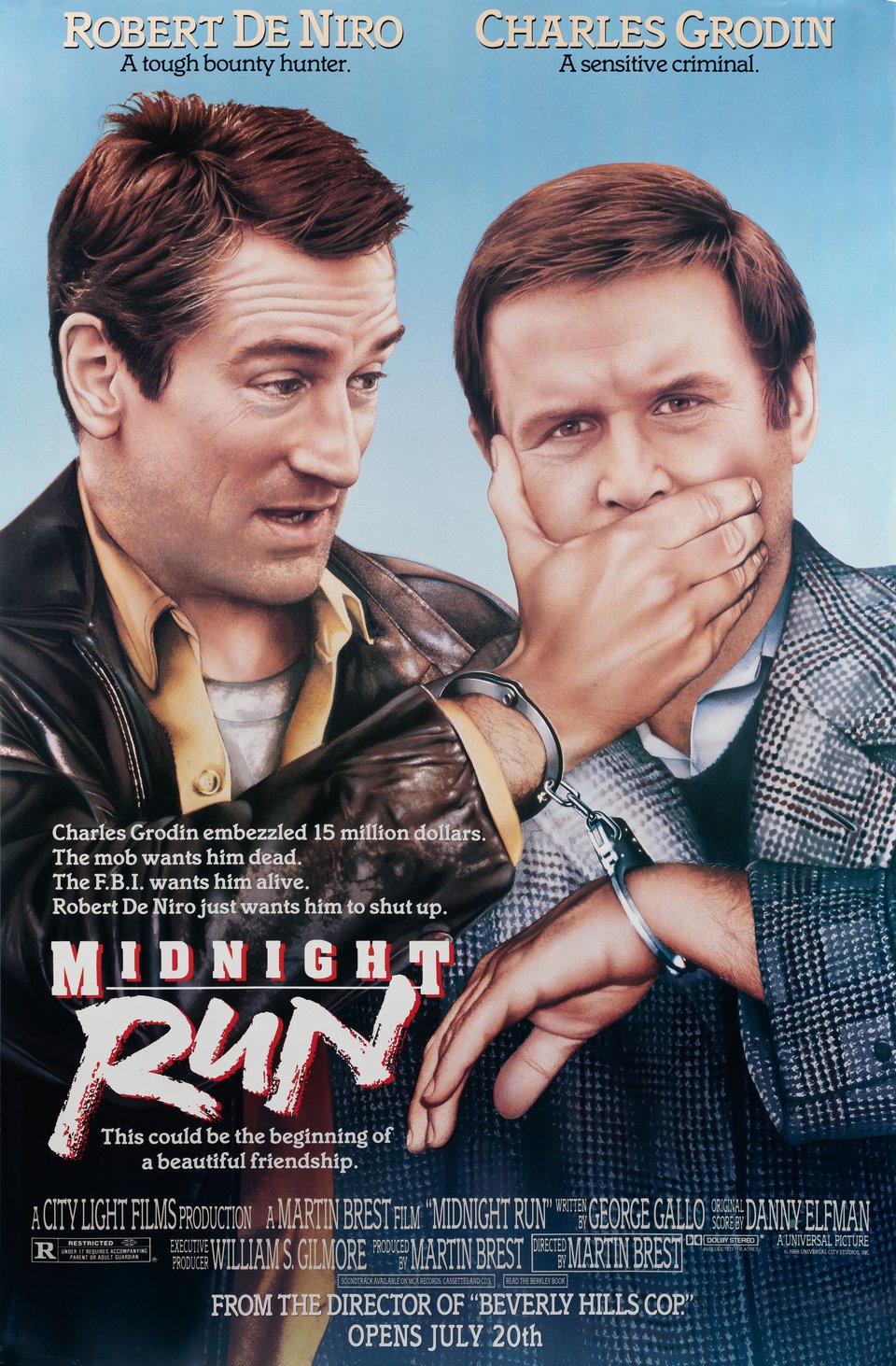 Midnight Run (1988)
Starring Robert De Niro and Charles Grodin, this action-comedy road movie included scenes shot around Flagstaff’s forested areas and train routes, taking advantage of the city's rugged high-country charm.
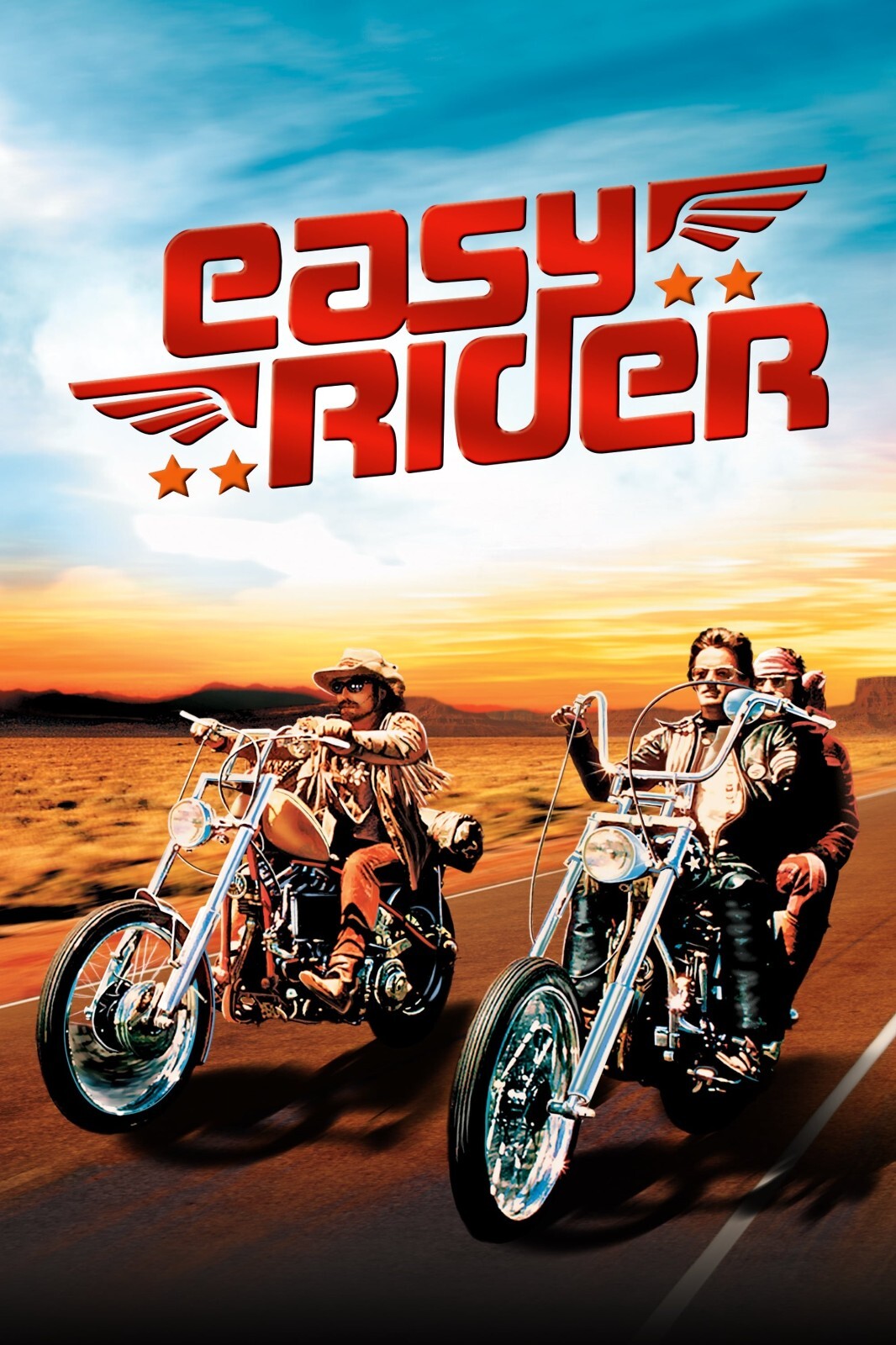
While most of this cult classic road film was shot across various parts of the West, Northern Arizona, including locations near Flagstaff and Winslow, was featured during the iconic motorcycle journey.
Flagstaff’s proximity to other cinematic landmarks—like the Grand Canyon, Sedona’s red rocks, and Monument Valley—has also made it a strategic home base for movie production teams. Its elevation offers cooler weather, and its local infrastructure supports both independent filmmakers and larger studio crews.
Flagstaff has also become a favorite for television commercials, documentaries, and even science fiction recreations due to its Mars-like volcanic terrain near Sunset Crater and its clear night skies. Its authenticity, lack of urban sprawl, and close-knit community give it an appeal that filmmakers value.
From classic westerns to sci-fi thrillers, Flagstaff, Arizona, has quietly left its mark on American cinema. Its landscapes don’t just provide a backdrop—they help tell the story. Whether you're hiking in a forest that doubled as an alien landing site or driving a highway made famous by film, you’re likely walking (or rolling) through a piece of movie history.
And if you want to learn more about the out-of-this-world housing opportunities in northern Arizona, please come by our office or call to speak with an on-site Realtor®!
Where the Experts are - Serving Flagstaff and Northern Arizona since 1977
 |
|
 |