Realty Executives of Northern Arizona
Exploring the Unique Flora and Fauna of Flagstaff, Arizona
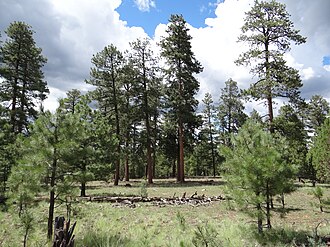
Nestled at an elevation of 7,000 feet in the heart of northern Arizona, Flagstaff is a surprising ecological gem. Unlike the stereotypical image of Arizona’s desert landscapes, Flagstaff is surrounded by lush forests, alpine meadows, and volcanic peaks. This diverse environment, shaped by its elevation and proximity to the San Francisco Peaks, supports an array of flora and fauna that are unique to the region.
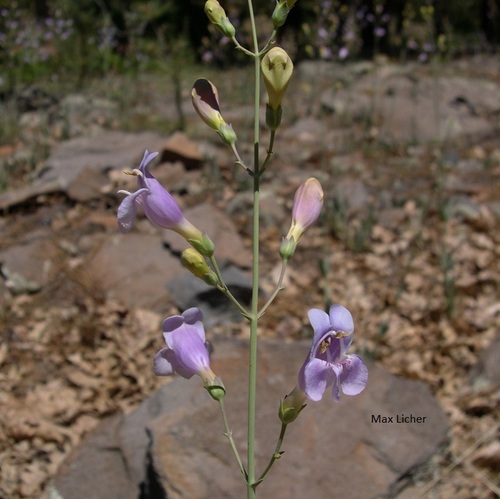
At higher elevations on the San Francisco Peaks, the landscape transitions to subalpine and alpine zones, where unique plant species like alpine avens and skyrocket gilia thrive in harsh, wind-swept conditions. Some of these species, like the San Francisco Peaks groundsel, are found nowhere else in the world.
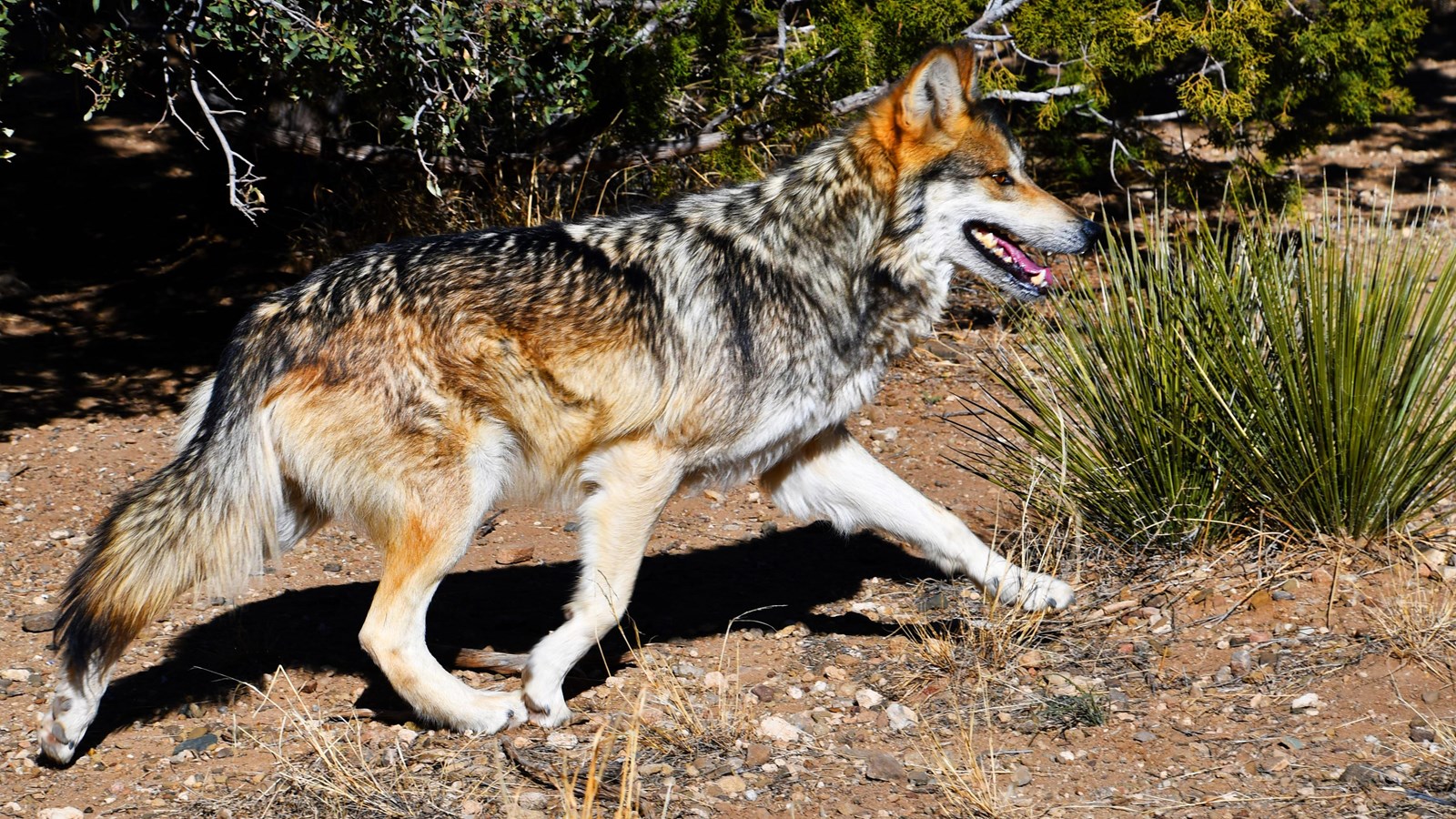
Flagstaff’s varied habitats support an equally diverse range of wildlife. Iconic species include elk, mule deer, and black bears, all commonly spotted in the surrounding Coconino National Forest. The area is also home to more elusive creatures such as mountain lions, Mexican wolves (pictured) and gray foxes.
Birdwatchers will find Flagstaff a haven for unique and migratory birds. The Lewis's woodpecker, western bluebird, and peregrine falcon are frequently seen, and the region is a critical part of the flyway for many species.
One of the rarest and most unique inhabitants is the Kaibab squirrel (pictured), 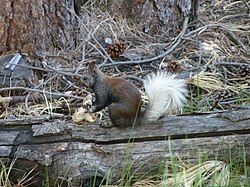
Flagstaff’s unusual mix of high elevation, volcanic soil, and protected wilderness makes it a biodiversity hotspot in the Southwest. Whether hiking the forested trails or exploring the alpine meadows of the San Francisco Peaks, visitors are sure to encounter an impressive array of plants and animals found nowhere else in Arizona—or even the world.
Ready to put down some roots in Northern Arizona? Come by the office or call to speak with a knowledgeable and friendly Realtor®!
Where the Experts are - Serving Flagstaff and Northern Arizona since 1977
 |
|
 |