Realty Executives of Northern Arizona
Have you ever noticed that when you apply for a mortgage or auto loan, you suddenly get a thousand other offers? It is possible that the credit bureau that supplied your loan officer with a credit report to qualify you for the loan has shared your credit and contact information with other lenders. This practice is both common and surprisingly lawful.

However, unsolicited offers can be a major nuisance. Fortunately, for consumers who prefer not to be contacted by unsolicited offers, the Act provides them an opportunity to “opt out.” 15 U.S.C. § 1681b(e).
The credit bureaus have created a single point of contact to opt out of these types of solicitations:

Realty Executives value our clients and work to provide helpful information as they navigate the home buying or selling process. Call us or come by the office to speak with our knowledgeable Realtors®!
|
|
|
|

When summer temperatures creep up, your air conditioner starts pulling double duty. But running it nonstop doesn’t just spike your energy bill—it can also strain the system. The good news? There are smart ways to keep your home cool without pushing the AC to its limit.
From simple tweaks to everyday habits, these tips can help keep the heat outside—and your home comfortable inside.
Windows can be one of the biggest sources of indoor heat. If your home gets a lot of direct sunlight, that warmth builds up fast—especially through uncovered or single-pane glass.
Hang blackout curtains or thermal shades in sunny rooms. For a less bulky option, go with solar film or UV-blocking window film. These are affordable, easy to apply, and help reflect heat away from your space. You can also consider exterior solutions like awnings or shade sails if you have large windows or patio doors that face the sun.
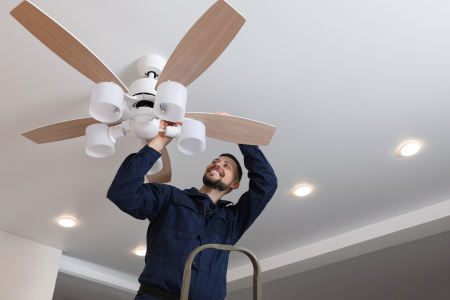
Ceiling fans don’t lower the temperature, but they make rooms feel cooler by circulating air. In summer, make sure the fan blades spin counterclockwise to push cool air down.
You can also use box or tower fans to push warm air out of specific areas—like drawing it out of a window after the sun sets. A few fans in the right spots can take the pressure off your AC and help rooms feel more comfortable.
Appliances like ovens, dryers, and even dishwashers can warm up your home faster than you think. During the hottest part of the day, avoid cooking with heat or running machines that generate it.
Instead, grill outside, use a microwave, or prep cold meals when possible. Run the dishwasher or laundry after the sun goes down, when your AC isn’t already working overtime.
Cooling unused rooms doesn’t do much good—and it makes your system work harder. Keep doors closed to spare rooms, laundry rooms, or any other space you don’t need to cool during the day.
That way, your AC can focus on high-traffic areas where comfort matters most. It also helps keep cool air where it’s needed instead of letting it drift into empty spaces.
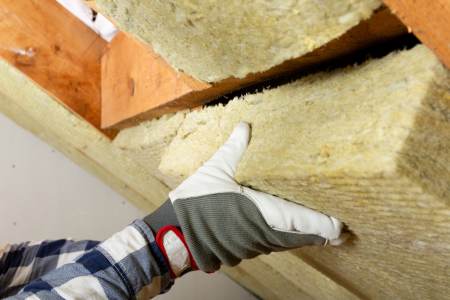
Insulation isn’t just for winter. In fact, a properly insulated attic, garage, or crawl space can prevent heat from creeping in when it’s hot outside. Check for gaps around attic access points, light fixtures, or any visible cracks.
If your attic feels like an oven, adding or upgrading insulation could help regulate temperatures and reduce the need for constant cooling.
In many areas, the temperature drops significantly after sunset. Take advantage of it by turning off the AC, opening windows, and letting cooler air flow through. Cross-ventilation works best—open windows on opposite sides of the house to create a breeze.
Just be sure to close everything back up by mid-morning before the heat returns.
Cool air can escape faster than you think, especially around old windows, worn door seals, or unsealed vents. Use weatherstripping, caulk, or door sweeps to seal any obvious gaps. These quick fixes don’t cost much but can make a significant difference in keeping indoor temperatures stable.
A dirty air filter forces your AC to work harder to move air through the system. Swap it out monthly in the summer or sooner if you have pets or live in a dusty area. Clean filters improve airflow, boost efficiency, and help keep indoor air fresh too.
If you’re thinking long term, planting shade trees or tall shrubs near sun-facing windows can help block direct heat from hitting your home in the first place. This natural shade barrier takes time to grow, but it’s one of the most eco-friendly ways to keep your home cool from the outside in.
Minor changes can go a long way when the heat starts to rise. From sealing sneaky leaks to making better use of fans and window coverings, each step gives your AC a bit of a break—and your wallet too. It’s not about living in a dark house with the air off but finding the balance between comfort and control. When your home stays cooler without extra effort, summer feels less like a battle and more like a season you can enjoy.
Here in Flagstaff, our summers have some relief when the monsoon season begins, with its afternoon rains and cool breezes. When you are visiting Flagstaff during the summer months, come on by our downtown Flagstaff office, and let a knowledgeable and friendly Realtor tell you more about our area and the local housing market!
Keeping kids entertained all summer can feel like a full-time job, especially when you’re trying to avoid excessive screen time or constant spending. The good news? You don’t need a packed schedule or big outings to make summer feel special.
With a little creativity and a few basic supplies, your home can be the ultimate summer playground.
You don’t need a pool to cool off. A garden hose, a few buckets, or even plastic cups can turn your backyard into the best place to be on a hot day.
Set up a DIY splash zone with sprinklers, water balloons, or sponge toss games. For extra laughs, build an obstacle course with slip-and-slide sections, kiddie pools to crawl through, and towels at the finish line. Let the kids come up with their own rules—the messier, the better.
Gardening is one of several wonderful at-home summer activities for kids. Little hands love digging, watering, and watching things grow. If you already have a garden, set aside a small section for children. Let them plant fast-growers like sunflowers, cherry tomatoes, or snap peas—something they can see change day by day.
No garden? Use small pots or containers. Painting the pots beforehand makes it even more fun and gives them something that feels like theirs.
Art doesn’t have to stay at the table, and it is a perfect at-home summer activity for kids. Bring the supplies outside and let the kids go big—sidewalk chalk murals, sponge painting, or cardboard box crafts can keep them busy for hours.
You can even turn your patio or driveway into an “outdoor gallery” where they display their creations. Mix in themed days (like space, animals, or ocean scenes) to keep the ideas flowing.
When you can’t get away, bring the fun outside. Pitch a tent in the backyard or set up blankets and sleeping bags under the stars. Tell stories, make s’mores in the microwave or fire pit, and listen to nighttime sounds. For younger kids, even a few hours of pretend camping during the day can feel like a big adventure.
If the weather turns or bugs show up early, move the camp indoors. Flashlights, popcorn, and a good book or movie can set the scene just as well.
Perfect for overly hot or rainy days, treasure hunts are a great at-home summer activity for kids. It is also a way to keep energy levels up without leaving the house. Hide clues around the home and let the kids solve puzzles to find the next spot.
Tailor it to their age—simple picture clues for toddlers or rhyming riddles for older kids. End with a small prize or surprise snack to make it feel like a real win.
Not every day needs to be loud and busy. Set aside quiet time for activities that keep hands and minds busy—LEGO builds, puzzle races, or DIY science experiments using pantry staples.
If you have cardboard boxes or extra recyclables, challenge the kids to build a city, a boat, or their dream house. These hands-on sessions spark imagination and keep them engaged, especially on days when the heat’s too much for outdoor play.
Creating a loose theme for each week can help add structure without making it feel like school. For example:
Themed weeks give kids something to look forward to and help you plan ahead without feeling overwhelmed.
With these at-home summer activities for kids, you don’t have to leave the house to make memories. With a few low-cost ideas and a little flexibility, you can keep boredom at bay while turning your home into the go-to summer hangout. It’s about giving kids space to play, be creative, and feel like the season belongs to them, right in their backyard.

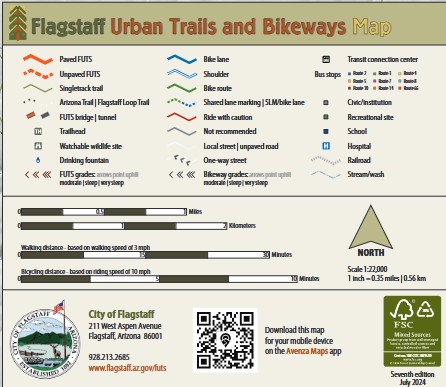
Vision and Early Planning:
The idea for FUTS emerged in the 1980s as part of a broader urban planning effort to promote outdoor recreation and sustainable transportation in Flagstaff. With Flagstaff’s growing population and its strong outdoor culture, city planners envisioned a network of interconnected trails that would allow people to walk, hike, and bike throughout the city without relying on cars.
The plan aimed to take advantage of Flagstaff’s beautiful natural setting, including its forests, mesas, and proximity to landmarks like the San Francisco Peaks, and to create a system of trails that would link parks, schools, and neighborhoods.
Gradual Expansion:
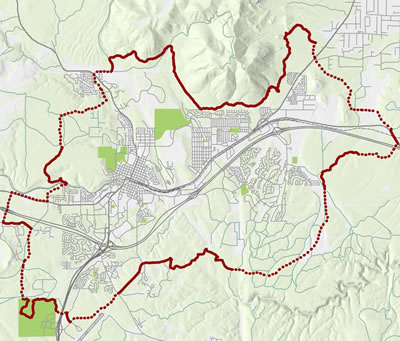
The city continues to expand FUTS as part of its regional transportation plan, which promotes non-motorized travel and aims to reduce Flagstaff’s environmental impact by encouraging biking and walking.
Specifics of the FUTS Trail System:
Trail Types:
Popular Trails:
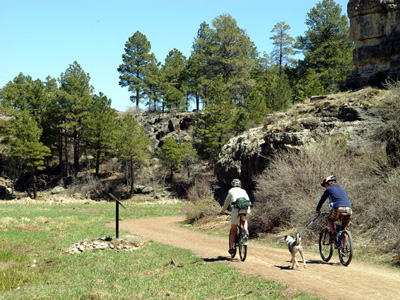
In summary, FUTS was created through careful planning and collaboration over decades, with the goal of connecting Flagstaff’s residents and visitors to both the city and its surrounding natural landscapes. It’s an essential part of Flagstaff’s identity, offering a way to explore the area’s beauty while promoting sustainable transportation.
Come see us when you are looking to buy or sell in Northern Arizona, or have real estate questions. We have on-site Realtors available in our office in historic downtown Flagstaff daily Monday - Saturday.
Where the Experts are - Serving Flagstaff and Northern Arizona since 1977
 |
|
 |







 Kimberlie Geile-Gonzalez, Realtor, GRI, SRES, rCRMS, ABR, e-Pro, AHWD, SRS, PSA, RENE