Realty Executives of Northern Arizona
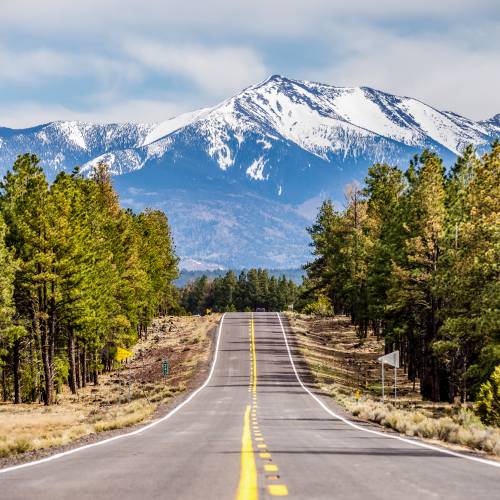
Flagstaff sits at about 7,000 feet above sea level, surrounded by mountains, forests, and high plateaus. This elevation brings cooler temperatures year-round and allows for distinct seasonal changes—very unlike much of the rest of the state.
Winter in Flagstaff is unmistakably winter. Snow generally begins in late November or December and can continue through April, with occasional flurries into May.
Flagstaff ranks among the snowiest cities in Arizona, and winter brings plenty of opportunities for skiing, snowboarding, sledding, and scenic snowshoe hikes.
Spring in northern Arizona is a transitional season with lots to enjoy:
Snow can still fall in early spring—sometimes even into April—but by late April and May, the snowpack recedes, plants start blooming, and forests turn vibrant with color.
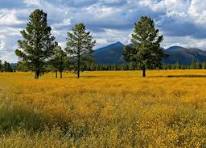
This mild weather makes Flagstaff a favorite summer destination for hiking, mountain biking, and exploring Grand Canyon Country without the intense heat seen farther south. Afternoon thunderstorms brought by the monsoon season (typically late July through August) are common, bringing short bursts of rain and dramatic skies daily.
As summer winds down, autumn arrives with cool, clear days:
Flagstaff’s surrounding ponderosa pine and aspen forests turn golden and orange, making fall a picturesque time to live in or visit northern Arizona. The cooler air and fewer crowds also make outdoor activities particularly enjoyable.
Flagstaff and northern Arizona truly offer four distinct seasons—an experience that’s both refreshing and dynamic. Residents enjoy:
Whether you’re a longtime resident, a potential home buyer, or someone relocating from a warmer climate, understanding these seasonal rhythms helps you appreciate what makes this region special—and prepares you for life in a place with real seasonal variety.
Where the Experts are - Serving Flagstaff and Northern Arizona since 1977
 |
|
 |