Realty Executives of Northern Arizona
When you’re buying a home, it’s easy to focus on what you can see—layout, finishes, neighborhood, and curb appeal. But one of the most important factors affecting a home’s safety is something you can’t see, smell, or taste: radon gas.
Understanding radon and testing for it before you buy can help protect your health and give you peace of mind in your new home.
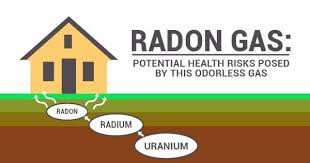
Because radon is invisible and odorless, the only way to know if a home has elevated radon levels is to test for it.
According to the U.S. Environmental Protection Agency (EPA), radon is the second leading cause of lung cancer and the leading cause among non-smokers. Long-term exposure to high radon levels increases cancer risk over time.
The EPA recommends taking action if a home’s radon level is 4.0 picocuries per liter (pCi/L) or higher.
Yes. Any home can have radon, regardless of:
Even newly built or energy-efficient homes can have elevated radon levels. Two houses next door to each other can have very different readings.
Radon testing is one of the simplest and most affordable steps you can take during the home-buying process.
Testing allows you to:
Most radon tests take 2–4 days and are non-invasive.
A high radon result does not mean you should walk away from a home.
Radon is highly fixable. A radon mitigation system:
Many homeowners live safely and comfortably in homes with mitigation systems already in place.
Concern is understandable, but radon should be viewed as a manageable issue, not a deal-breaker. Knowing a home’s radon level gives you control and clarity.
In fact, discovering radon before you buy is a positive—it means you can address it properly rather than unknowingly living with elevated levels.
If you’re purchasing a home, consider these steps:
Your real estate agent can help guide you through this process and connect you with qualified professionals if needed.
Radon is a common, invisible gas that can pose serious health risks—but it’s also one of the easiest environmental issues to identify and fix in a home.
By testing for radon before you buy, you’re taking an important step toward protecting your health, your investment, and your peace of mind.
Where the Experts are - Serving Flagstaff and Northern Arizona since 1977
 |
|
 |