Realty Executives Midwest
Working with a Realty Executives “Executive” has always been synonymous with experience, excellence in real estate and high levels of productivity. For Executive Robin Krieb, you can add “advocacy” to this list.
As a member of the National Association of Gay and Lesbian Real Estate Professionals (NAGLREP), Krieb actively supports the organization’s mission to advocate on behalf of the rights of the Lesbian, Gay, Bisexual, and Transgender (LGBT) community as it relates to housing and discrimination laws.
She recently shared her voice and experience with Avail, an online platform that offers DIY landlords with tools, support, and education and fosters the shared values of respect, transparency, and professionalism between landlords and tenants.
Krieb shared steps landlords can take to avoid housing discrimination and promote professionalism and inclusivity. Get all of the tips for landlords here as well as more information about Fair Housing Trends.
The team at Realty Executives Midwest is proud to have Krieb among their ranks.
“Robin joined us in the spring of 2018. As a new licensee she was eager to learn everything possible to become successful in real estate, diligently applied all she learned and closed several transactions in her first year alone! She goes out of her way to help her clients, is professional and always positive. Robin is a real joy to be around. We applaud her on the role she played in spreading this important information with landlords and other critical players in the property management industry,” said Jana Pinc, Managing Broker of Realty Executives Midwest in Darien, Illinois.
Realty Executives Midwest agents in Darien, IL join in on the 4th of July festivities by participating in the local parade celebrating Independence Day!


"Hats off to our Darien Police Officers and our Municiple Services Department for the jobs they did today and every day. Darien is truly a nice place to live."
Here's a special shout out to all of our team members who were able to participate this year: Rosa Andersen, Joe Kenny, Deneen Ruffolo, Jen Staehely, Joan Wayman, and anyone else we may have missed. We're so proud that our team members are constantly getting involved with events in their community!


Here are 5 compelling reasons listing your home for sale this summer makes sense.
1. Demand Is Strong
The latest Buyer Traffic Index from the National Association of Realtors (NAR) shows that buyer demand remains strong throughout the vast majority of the country. These buyers are ready, willing, and able to purchase… and are in the market right now! More often than not, multiple buyers are competing with each other for the same home.
Take advantage of the buyer activity currently in the market.
2. There Is Less Competition Now
Housing inventory is still under the 6-month supply needed for a normal housing market. This means that, in most of the country, there are not enough homes for sale to satisfy the number of buyers.
Historically, the average number of years a homeowner stayed in his or her home was six, but that number has hovered between nine and ten years since 2011. Many homeowners have a pent-up desire to move, as they were unable to sell over the last few years due to a negative equity situation. As home values continue to appreciate, more and more homeowners are granted the freedom to move.
Many homeowners were reluctant to list their home over the last couple of years for fear that they would not find a home to move in to. That is all changing now as more homes come to market at the higher end. The choices buyers have will continue to increase. Don’t wait until additional inventory comes to market before you to decide to sell.
3. The Process Will Be Quicker
Today’s competitive environment has forced buyers to do all they can to stand out from the crowd, including getting pre-approved for their mortgage financing. Buyers know exactly what they can afford before home shopping. This makes the entire selling process much faster and simpler. According to Ellie Mae’s latest Origination Insights Report, the time to close a loan has dropped to 43 days. (Last numbers available.)
4. There Will Never Be a Better Time to Move Up
If your next move will be into a premium or luxury home, now is the time to move up! The inventory of homes for sale at these higher price ranges has created a buyer’s market. This means that if you are planning on selling a starter or trade-up home, it will sell quickly, AND you’ll be able to find a premium home to call your own!
According to CoreLogic, prices are projected to appreciate by 4.8% over the next year. If you are moving to a higher-priced home, it will wind up costing you more in raw dollars (both in down payment and mortgage payment) if you wait.
5. It’s Time to Move on with Your Life
Look at the reason you decided to sell in the first place and determine whether it is worth waiting. Is money more important than being with family? Is money more important than having the freedom to go on with your life the way you think you should?
Only you know the answers to these questions. You have the power to take control of the situation by putting your home on the market. Perhaps the time has come for you and your family to start living the life you desire.
Article Source: Keeping Current Matters
Realty Executives Midwest
1310 Plainfield Rd. Ste 2 | Darien, IL 60561
Office: 630-969-8880
E-Mail: experts@realtyexecutives.com
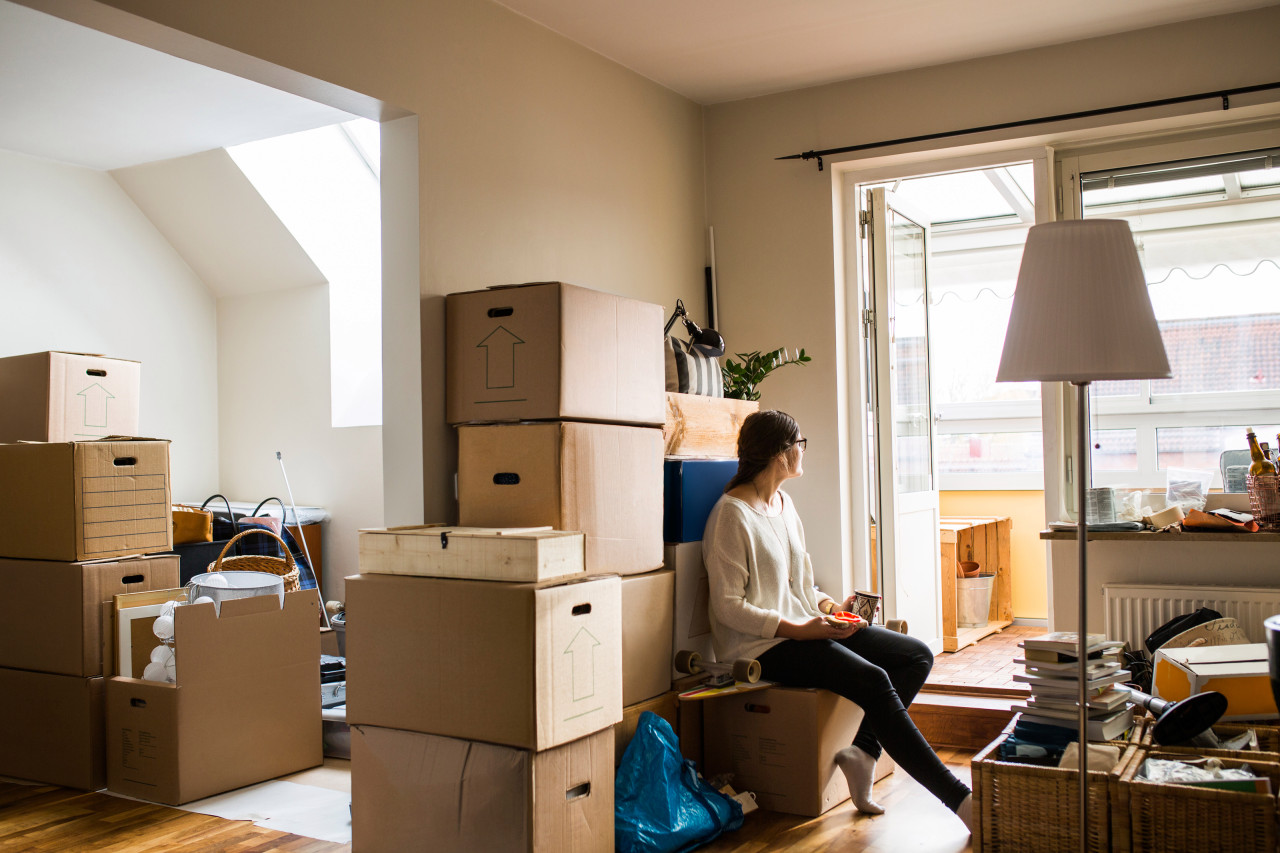
It's finally yours. Your very own home. You can paint the walls whatever you like. Heck, even knock out a wall! There's no landlord to fight you.
But if you're serious about developing good homeowner habits (so your home makes you richer, not poorer), you'll use this worksheet the minute you close on your home — if not before. Easier to do now than suffer some head-slapping regrets later.
If that doesn't do it for you, here's a *cheater* version done in the form of 22 tips. You only need scroll:
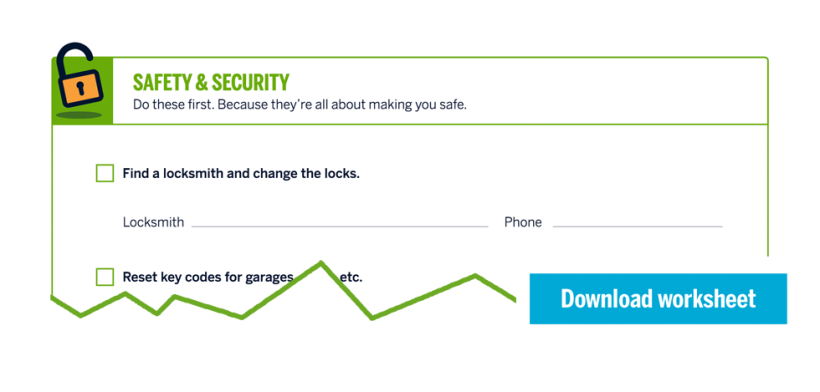
Security & Safety
These are the very first things you should do after buying a house (for obvious reasons):
1. Change locks. Spares could be floating around anywhere.
2. Hide an extra key in a lockbox. Thieves look under flower pots.
3. Reset the key codes for garage doors, gates, etc. The former owners might've trusted half the neighborhood.
4. Test fire and carbon monoxide detectors. Who knows when the last time was. Definitely install them if there are none.
5. Check the temperature on your water heater, especially if you have young ones, so it won't accidentally scald. Manufacturers tend to set them high. (but the best temperature setting for hot water is 120 degrees).
6. Make sure motion lights and other security lights have working bulbs.
7. Put a fire extinguisher in the kitchen and each additional floor.
Maintence Planning
Start your master maintenance plan (and good home-keeping habits) by setting reminders in your calendar to do these basic maintenance tasks:
8. Clean out the dryer hose and vent yearly. Clogged ones burn down houses. And you don't know the last time the previous homeowner did it.
9. Change your HVAC filters at least once a season. You'll save on heating and cooling — and your unit will last longer. (While you're at it, go ahead and stock up on them, too.)
10. Schedule HVAC maintenance for spring and fall.
11. Clean your fridge coils at least once a year. It'll run better and last longer. (Don't see any coils? Lucky you! Newer fridges often have coils insulated, so there's no need for annual cleaning.)
12. Drain your water heater once a year.
13. Clean your gutters at least twice a year.
14. And if all items on your inspection report were not addressed, make a plan to fix them — before they become bigger and more expensive repairs.
Emergency Preparedness
You really really don't want to be figuring any of this out in a real emergency. Do it now. You'll sleep better and be less likely to ruin your home.
15. Locate the main water shut-off valve. Because busted pipes happen to almost every homeowner at least once. And water damage is value-busting and pricey to fix.
16. Find the circuit box, and label all circuit breakers.
17. Find the gas shut-off valve, too, if you have gas.
18. Test the sump pump if you have one. Especially before the rainy season starts.
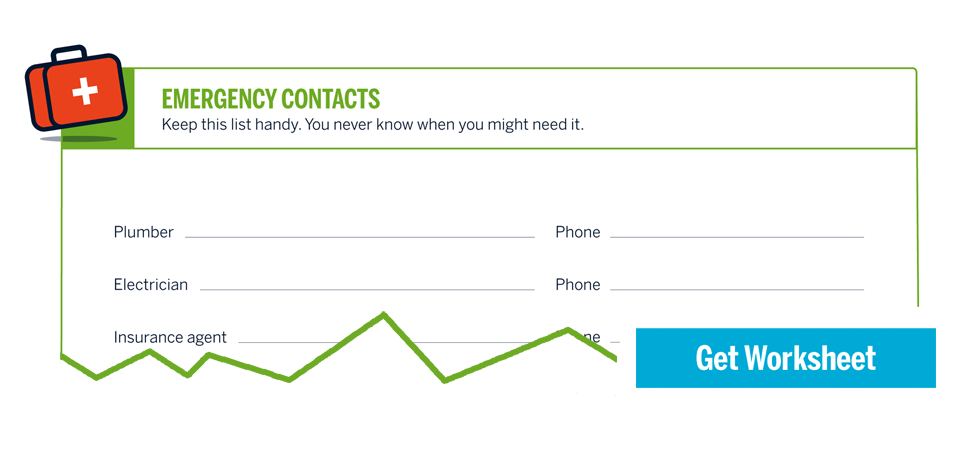
19. List emergency contacts. You already know 911. These are the other numbers you often need in an emergency. You should have them posted where they're easy to see. In fact, here's a worksheet you can fill out and post.
20. Assemble an emergency supply kit. Some key items are:
Home & Mortgage Documents
In case there's a dispute with your mortgage lender or a neighbor over property lines, or if you're a bit forgetful about due dates.
21. Store copies (the originals should be in a fireproof safe or safety deposit box) of important home documents so they're readily available. Go paper, cloud, or better, yet, both.
22. Set mortgage and other bills to auto-pay so you're never late.
Article Source: houselogic
Realty Executives Midwest
1310 Plainfield Rd. Ste 2 | Darien, IL 60561
Office: 630-969-8880
E-Mail: experts@realtyexecutives.com
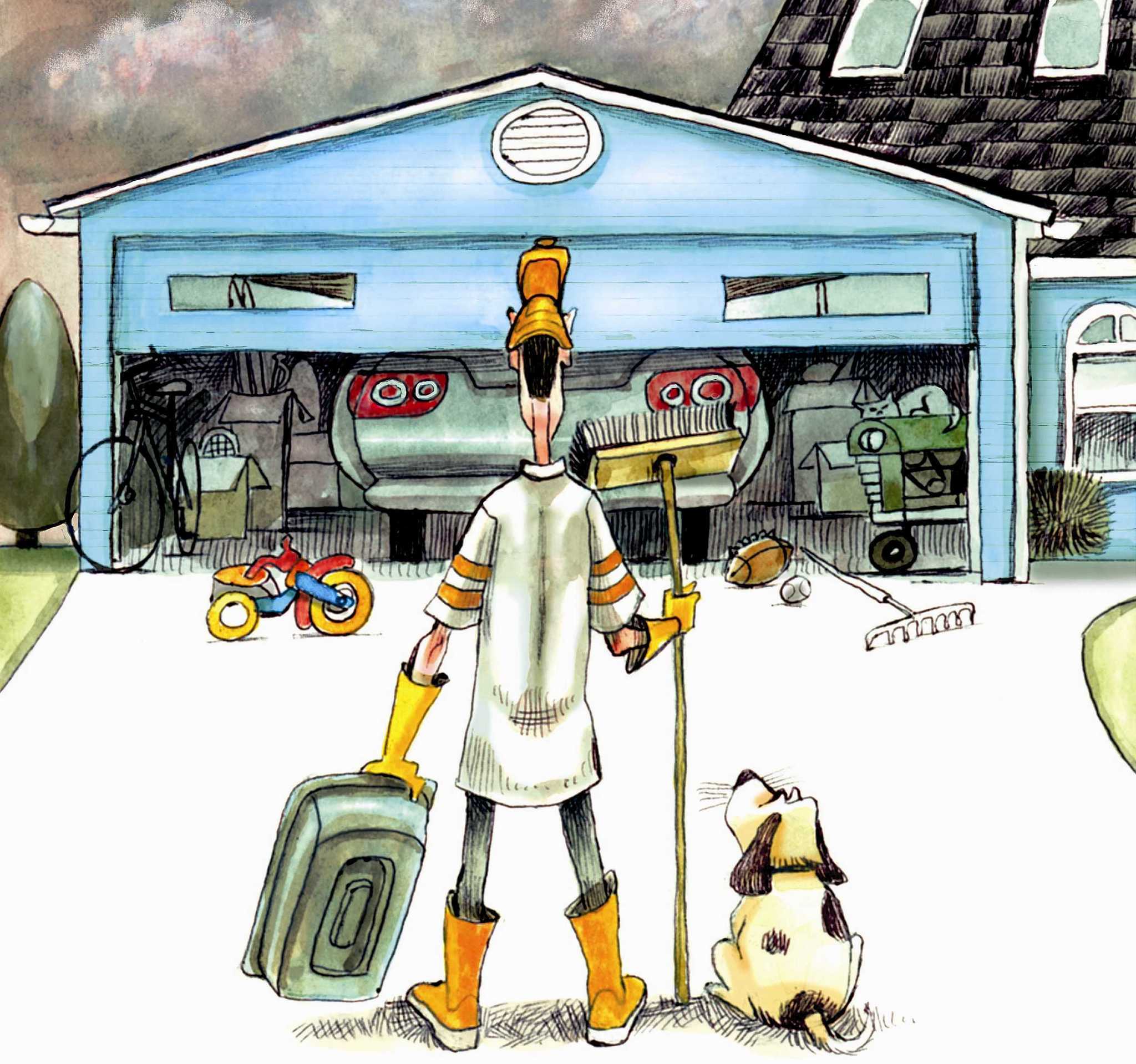
The garage can be a hard place to keep organized and clean with outdoor toys, cars, storage boxes and more all coming and going throughout the seasons. The summer can be a great time to take advantage of the weather and spend the day outside re-organizing after the hectic winters and cleaning out a space that doesn’t always get much TLC.
Remove everything and organize it
A messy and full garage can be overwhelming to clean. The first thing that you need to do is remove everything to create a clear space to work with, only then you will be able to clean your garage completely.
As you keep removing the items from the garage, segregate them into piles. This will help you put them back in an orderly fashion. This will also help you to decide what you need to keep and what you need to discard.
One good rule of thumb is that if you haven’t used something for a while, then it’s best that you either sell or throw it away. This does not include tools like hammers, saws, drills, torque wrenches, etc. as those are basic home ideas that are good to keep around.
For the things you put in the “get rid” of pile, you can either have a garage sale or sell things online.
Gather cleaning equipment
To start cleaning, you will need brushes, buckets, sponges, brooms and cloths. There is a possibility that you might require oil stain remover, a wire brush, or floor paint if your floor has oil stains. Cleaning your garage in the summer can be advantageous if you can recruit your kids to “volunteer”. You get some extra help plus get to spend some quality family time together.
Clean the Fixtures and Hidden Spaces
Always start from the top and keep cleaning your way down. Years of cobwebs and other dirt may have accumulated on your ceiling and your walls. Keep a cordless vacuum cleaner handy so that you can reach the corners of the walls and the garage ceiling easily. You can also keep a broom with a long handle to clear cobwebs which are out of arm’s reach.
Give your light fixtures, windows and garage door a nice wipe down. Use a car washing sponge to give a good soaking to the windows and walls of your garage. After that, you can use old towels to wipe everything and dry it up.
Cleaning the Floor
You should start at the back and use a broom to sweep the floor. You should keep sweeping right from the back of your garage and sweep off the dirt out of your garage door. This will help you to identify areas where on the floor which you will need to double down your efforts on.
After sweeping the floor, give it a thorough mopping. If there are years of dirt, you may have to scrub hard and use floor cleaning agents.
Once the floor is dry, if you see oil stains on the floor, you can brush them. You can either use a commercial oil stain remover or a wire brush for this purpose. Once the stain is removed, it is easy to clean the floor.
Keep it clean
Once you have made sure that your garage is clean, don’t go back to cluttering it. It is a valuable space. You can keep a lot of things in it if you organize things in your garage properly. Once you’ve restored cleanliness and order to your garage, you’ll realize that the space can be versatile and can be used for several purposes.
Article Source: Realty Executives International
Realty Executives Midwest
1310 Plainfield Rd. Ste 2 | Darien, IL 60561
Office: 630-969-8880
E-Mail: experts@realtyexecutives.com
Realty Executives agents are real estate experts. They have the education and expertise you need to navigate through the process of buying or selling a home. From listing at the right price to making the best offer, our Executives have witnessed the best - and most regrettable - decisions homeowners and homebuyers can make. Every day, they are immersed in every aspect of real estate that includes comparable home price analysis, property surveys, credit reports, open houses, HOA agreements, lenders, title companies, homeowners’ insurance, walk-throughs, terms of sale or purchase, repairs, concessions and closing documents. Let our accomplished Executives help navigate you through the process of buying or selling a home.