Realty Executives Midwest

A recent study from the National Association of Realtors (NAR) shows most sellers (61%) completed at least minor repairs when selling their house. But sometimes life gets in the way and that’s just not possible. Maybe that’s why, 39% of sellers chose to sell as-is instead (see chart below):
 If you’re feeling stressed because you don’t have the time, budget, or resources to tackle any repairs or updates, you may be tempted to sell your house as-is, too. But before you decide to go this route, here’s what you need to know.
Selling as-is means you won’t make any repairs before the sale, and you won’t negotiate fixes after a buyer’s inspection. And this sends a signal to potential buyers that what they see is what they get.
If you’re eager to sell but money or time is tight, this can be a relief because it’s that much less you’ll have to worry about. But there are a few trade-offs you’ll have to be willing to make. This visual breaks down some of the pros and cons:
 Typically, a home that’s updated sells for more because buyers are often willing to pay a premium for something that’s move-in ready. That’s why you may find not as many buyers will look at your house if you sell it in its current condition. And less interest from buyers could mean fewer offers, taking longer to sell, and ultimately, a lower price. Basically, while it’s easier for you, the final sale price might be less than you’d get if you invested in repairs and upgrades.
That doesn’t mean your house won’t sell – it just means it may not sell for as much as it would in top condition.
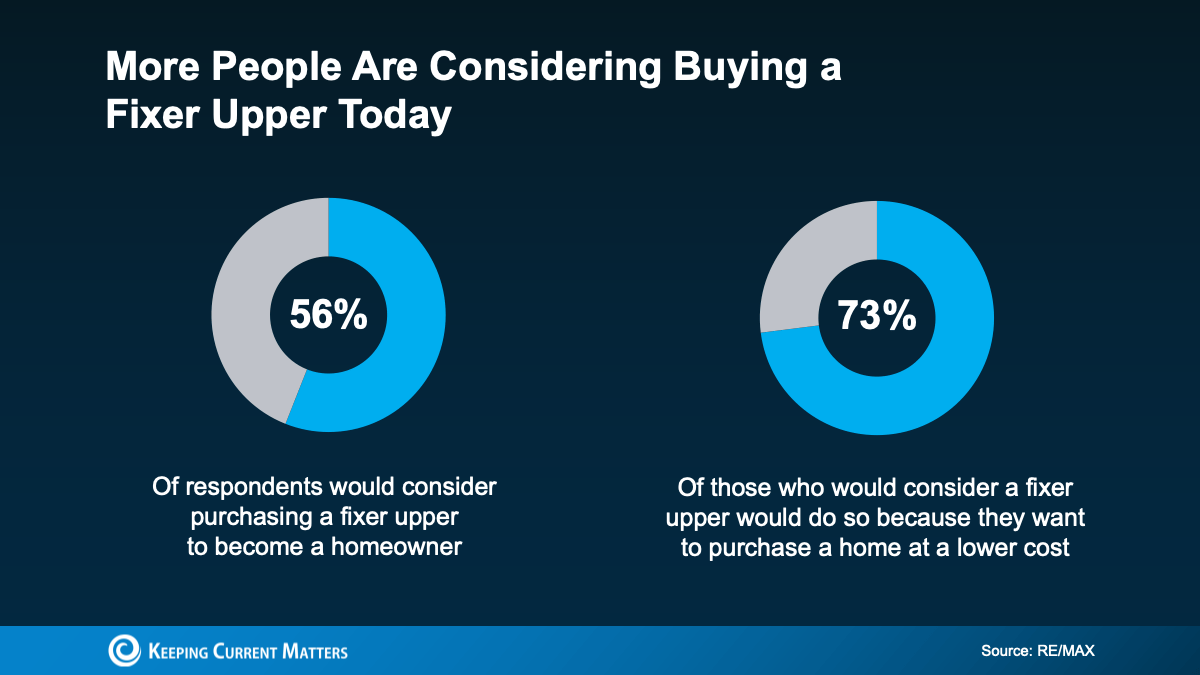
Here’s the good news though. In today’s market, as many as 56% of buyers surveyed would be willing to buy a home that needs some work. That’s because affordability is still a challenge, and while there are more homes for sale right now, inventory is lower than the norm. So, you might find there are a few more buyers who may be willing to take on the work themselves.
So, how do you make sure you’re making the right decision for your move? The key is working with a pro.
A good agent will help you weigh your options by showing you what comparable homes in your area have sold for, what updates your neighbors are making, and guide you in setting a fair price no matter what you decide. That helps you anticipate what your house may sell for either way – and that can be a key factor in your final decision.
Once you’ve picked which route you’re going to go and the asking price is set, your agent will market your house to maximize its appeal. And if you decide to sell as-is, they’ll call attention to the best features, like the location, size, and more, so it’s easy for buyers to see the potential, not just projects.
Selling a home without making any repairs is possible in today’s market, but it does have some trade-offs. To make sure you’re considering all your options and making the best choice possible, have a conversation with a local agent.
Source: Keeping Current Matters
Realty Executives Midwest
1310 Plainfield Rd. Ste 2 | Darien, IL 60561
Office: 630-969-8880
E-Mail: experts@realtyexecutives.com
The holidays are a time for family, friends, and of course, delicious food. If you’re like most people, you might be scrambling at the last minute to come up with some new recipe ideas. Never fear – we’ve got you covered!
In this article, we will share 25 recipes that will save your holiday feast. From sweet treats to savory dishes, there is something for everyone. So, relax and enjoy the holidays – let us take care of the brainstorming!

The holidays are a time for family, friends, and of course, delicious food. A lot of people like to have sweet things at their holiday feast. That’s why we’re starting with recipes for sweet treats.
1. Cranberry-Pistachio Biscotti: A festive twist on a classic Italian cookie, these biscotti are perfect for dipping in your morning coffee or tea. Set some aside as small gifts for unexpected visitors.
2. Chocolate-Dipped Shortbread Cookies: These simple yet delicious cookies are a holiday staple in many households. Shape them into festive shapes for added decor.
3. Gingerbread Men: A holiday favorite, these gingerbread cookies are perfect for decorating with the kids. If you are short on time, you can purchase them instead of baking them in advance.
4. Peppermint Bark: A festive and easy-to-make treat, peppermint bark is perfect for gifting or enjoying yourself! Consider grabbing some decorative tins to help turn the bark into a sweet gift.
5. Spiced Hot Cocoa: This rich and creamy hot cocoa will warm you up on a cold winter day. Add a little extra holiday cheer with a shot of rum or brandy.
6. Pumpkin Pie: A classic Thanksgiving dessert, pumpkin pie is always a hit- even on other holidays. Serve it with a dollop of whipped cream for an extra special treat.
7. Apple Crisp: This comforting dessert is perfect for using up any leftover apples from your holiday baking. There are few ingredients in a crisp, so it is a great recipe for those who are short on time or supplies at home.
8. Pecan Pie: A Southern favorite, pecan pie is a must-have at any holiday gathering. Not up for making a full pie? Try pecan pie muffins instead or brownies for a fresh spin. You can also make this dessert in advance and freeze it until needed.
9. Chocolate Chip Cookies: A classic cookie that is always a hit, chocolate chip cookies are perfect for sharing with friends and family. Add nuts, pretzels, or other treats to boost the flavor.
10. Sugar Cookies: Another classic cookie, sugar cookies are perfect for decorating with the kids. Use different shapes of cookie cutters to maximize the fun.
11. Fruitcake: Love it or hate it, fruitcake is a holiday tradition in many households. Give it a try this year! Make sure to set aside plenty of time. With a multitude of ingredients, this recipe takes well over two hours from start to finish.
12. Eggnog: A holiday favorite, eggnog is rich and creamy and perfect for sipping by the fire. Make it even more special by adding a shot of rum or brandy. There are plenty of eggnog options at the local grocery but making it at home will allow you to put your special spin on it.
13. Pumpkin Spice Latte: This popular fall drink can also be enjoyed during the holidays! Best of all, you can make a big slow cooker version for easy serving.
Savory snacks are perfect for satisfying your hunger between meals, and they come in all shapes and sizes. From chips and crackers to dips and spreads, there is sure to be a savory snack that fits your taste buds.
1. Cheese Ball: A holiday party classic, cheese balls are always a hit. Serve with a variety of crackers or crudités for dipping. This is one of the most versatile savory options on our list- ingredients range from onion and bacon to cranberry and almond.
2. Deviled Eggs: A delicious and easy-to-make appetizer, deviled eggs are perfect for any holiday gathering. You can make variations with ingredients like sriracha, cheese, chives, and more.
3. Sausage Balls: A tasty and kid-friendly snack, sausage balls are great for munching on during the holidays. Plus, serving them is as simple as putting a toothpick in them for guests to grab easily.
4. Pigs in a Blanket: Another crowd-favorite, pigs in a blanket are perfect for snacking on during holiday movies or gatherings. This is one of the easiest recipes to put together- crescent rolls and any kind of sausage will work.
5. Holiday Crackers: A festive twist on regular crackers, these are perfect for enjoying with cheese or dips.
6. Candied Bacon: A delicious and unique appetizer, candied bacon is perfect for any holiday party. If the oven is occupied with other holiday dishes, try cooking this in the air fryer.
7. Mini Quiche: A bite-sized version of a classic brunch dish, mini quiches are perfect for any holiday gathering. Choose your favorite mix-ins (bonus points for meat and veggie options) and whip up something special.
8. Spinach Artichoke Dip: A creamy and flavorful dip, spinach artichoke dip is perfect for enjoying with crackers or crudités. In the unlikely event that there are leftovers, use the dip as a stuffing for chicken. It’s an indulgent dinner you won’t forget!
9. Guacamole: A party favorite, guacamole is perfect for any holiday gathering. Serve with chips or use it as a condiment for tacos or burritos.
10. Chicken Wings: A favorite party food, chicken wings are perfect for any holiday gathering. There are all types of marinades, dry rubs, and sauces for those who want to switch it up from the classic buffalo wing. You can also bake, fry, and grill the wings, depending on the recipe. Remember to serve the wings with a variety of sauces for dipping.
11. Vegetable Tray: A healthy and festive option, vegetable trays are perfect for any holiday party. Arrange the veggies on the plate to minimize empty space and emphasize the gorgeous colors. Serve with a variety of dips or hummus.
12. Hummus: A delicious and healthy dip, hummus is perfect for any holiday party. Serve with a variety of vegetables, crackers, and pita for maximum flavor. Consider adding in garlic, olives, roasted red pepper, and more to create delicious variations.
With all these ideas for holiday food, the most difficult part will be deciding what to serve. Grab those ingredients early so you have them on hand and enjoy spending time with family and friends this holiday season.
Source: Realty Executives
Realty Executives Midwest
1310 Plainfield Rd. Ste 2 | Darien, IL 60561
Office: 630-969-8880
E-Mail: experts@realtyexecutives.com

Over the past few years, some homeowners have decided to delay their move because they don’t want to sell and take on a higher mortgage rate on their next home. Maybe you’re thinking the same thing. And honestly, that’s no surprise. It’s a very common roadblock and is one of the biggest factors that’s kept the number of homes on the market so low for so long.
But a growing number of homeowners are deciding they just can’t wait any longer. Often, it’s because of personal or lifestyle change. As Redfin explains:
“Some homeowners are opting to bite the bullet and give up their low rate in order to move. Many are selling because a major life event like a job change, or divorce . . .”
If you’re weighing the decision to move, take a look at some of the top reasons others are choosing to sell. You might find those are reason enough for you to move now, too.
A new job in a different city, a desire to be closer to family, or simply wanting a change of scenery can all spark the need to sell.
Let’s say you’ve landed a great job offer that requires relocating, listing your current home quickly may be the next logical step.
Sometimes, your current home just doesn’t fit your lifestyle anymore. A growing family, the need for a home office, or more room for entertaining can all drive the decision to upgrade to a larger space.
As an example, if you live in a condo and have a baby on the way, selling might be the next best move so you can find a larger home that suits your needs.
On the flip side, some homeowners are ready to downsize. This could be due to children moving out, retirement, or simply wanting less to maintain.
If you’re newly retired and dreaming of a simpler lifestyle, downsizing to a smaller home could free up both time and resources to enjoy this new chapter of life.
Big changes like divorce, separation, or marriage often lead to a need for new living arrangements.
If you just went through a divorce, selling the house you once shared may allow both of you to move forward and find a living situation that works better for you now.
Health concerns, especially those that affect mobility, can also drive the decision to sell. A home that once worked well might no longer suit your needs.
If this sounds like your experience right now, selling your current home to move into a more accessible space, or even using the proceeds for assisted living, could significantly improve your quality of life.
Selling your home isn’t just about market conditions or mortgage rates—it’s also about making the best decision for your lifestyle and future. As Bankrate says:
“Deciding whether it’s the right time to sell your home is a very personal choice. There are numerous important questions to consider, both financial and lifestyle-based . . . Your future plans and goals should be a significant part of the equation.”
If a major life change has you thinking about moving, now might still be the right time to sell. Work with a trusted real estate professional to help you navigate the process.
Source: Keeping Current Matters
Realty Executives Midwest
1310 Plainfield Rd. Ste 2 | Darien, IL 60561
Office: 630-969-8880
E-Mail: experts@realtyexecutives.com
Trying to decide between renting or buying a home? One key factor that could help you choose is just how much homeownership can grow your net worth.
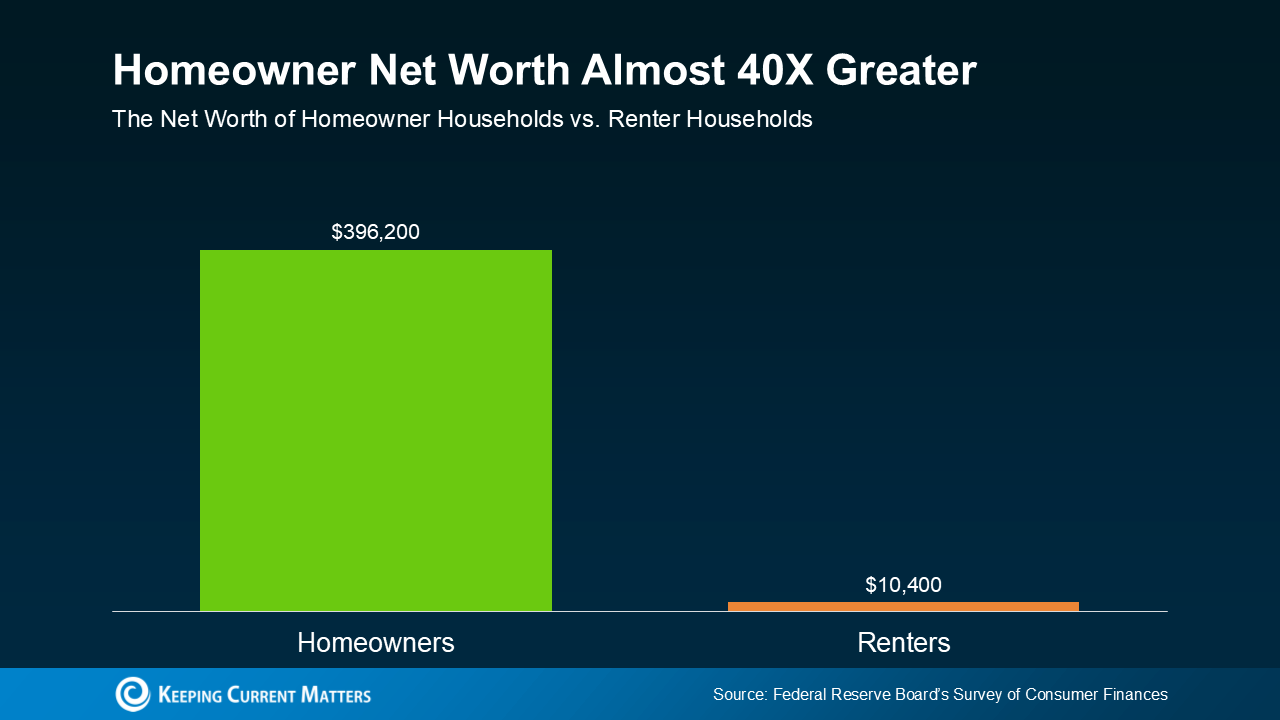
Every three years, the Federal Reserve Board shares a report called the Survey of Consumer Finances (SCF). It shows how much wealth homeowners and renters have – and the difference is significant.
On average, a homeowner’s net worth is nearly 40 times higher than a renter’s. Check out the graph below to see the difference for yourself:
 Why Homeowner Wealth Is So High
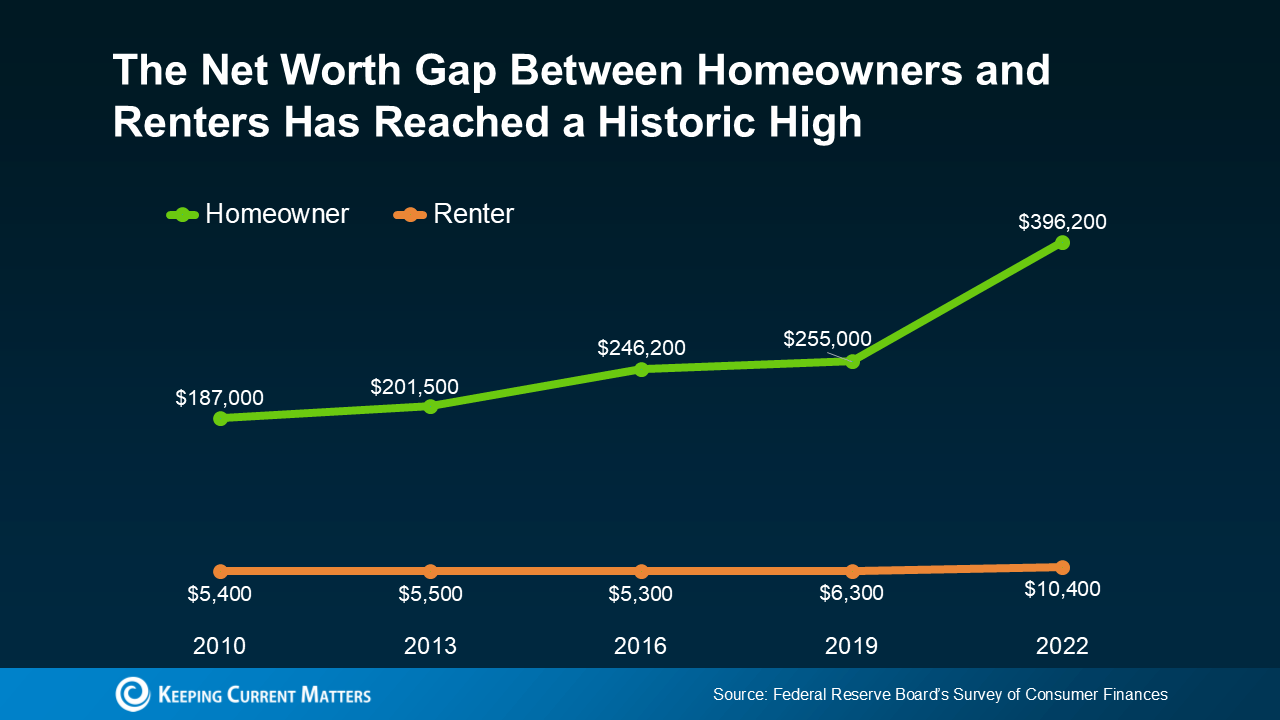
In the previous version of that report, the average homeowner’s net worth was about $255,000, while the average renter’s was just $6,300. That’s still a big gap. But in the most recent update, the spread got even bigger as homeowner wealth grew even more (see graph below):
 As the SCF report says:
“. . . the 2019-2022 growth in median net worth was the largest three-year increase over the history of the modern SCF, more than double the next-largest one on record.”
One big reason why homeowner wealth shot up is home equity.
Equity is the difference between your home’s value and what you owe on your mortgage. You gain equity by paying down your mortgage and when your home’s value goes up.
Over the past few years, home prices have gone up a lot. That’s because there weren’t enough available homes for all the people who wanted one. This supply-demand imbalance pushed home prices up – and that translated into faster equity gains and even more net worth for homeowners.
If you’re still torn between whether to rent or buy, here’s what you should know. While inventory has grown this year, in most places, there’s still not enough to go around. That’s why expert forecasts show prices are expected to go up again next year nationally. It’ll just be at a more moderate pace.
While that’s not the sky-high appreciation we saw during the pandemic, it still means potential equity gains for you if you buy now. As Ksenia Potapov, Economist at First American, explains:
“Despite the risk of volatility in the housing market, homeownership remains an important driver of wealth accumulation and the largest source of total wealth among most households.”
But prices and inventory are going to vary by area. So, lean on a local real estate agent. They’ll be able to give you the local trends and speak to the other financial and lifestyle benefits that come with owning a home. That crucial information will help you decide the best move for you right now. As Bankrate explains:
“Deciding between renting and buying a home isn’t just about cost — the decision also involves long-term financial strategies and personal circumstances. If you’re on the fence about which is right for you, it may be helpful to speak with a local real estate agent who knows your market well. An experienced agent can help you weigh your options and make a more informed decision.”
If you’re not sure if you should rent or buy, keep in mind that if you can make the numbers work, owning a home can really grow your wealth over time.
And if homeownership feels out of reach, connect with a local real estate agent and lender. They can help you explore programs that may make buying possible.
Source: Keeping Current Matters
Realty Executives Midwest
1310 Plainfield Rd. Ste 2 | Darien, IL 60561
Office: 630-969-8880
E-Mail: experts@realtyexecutives.com

Looking to buy a home but feeling like almost everything is out of reach? Here’s the thing. There’s still a way to become a homeowner, even when affordability seems like a huge roadblock – and it might be with a fixer upper. Let’s dive into why buying a fixer upper could be your ticket to homeownership and how you can make it work.
A fixer upper is a home that’s in livable condition but needs some work. The amount of work varies by home – some may need cosmetic updates like wallpaper removal and new flooring, while others might require more extensive repairs like replacing a roof or updating plumbing.
Because they need some elbow grease, these homes typically have a lower price point, based on local market value. In fact, a survey from StorageCafe explains that fixer uppers generally cost about 29% less than move-in-ready homes.
And that’s why, according to a recent survey, more buyers are considering homes that need a little extra work right now (see below):
 If you’re looking for an option to get your foot in the door, and you’re willing to roll up your sleeves and do a bit of work, a house with untapped potential may be a good option.
Before you buy a home that may need a makeover, here are a few things to keep in mind:
Remember, the perfect home is the one you perfect after buying it. By starting with a fixer upper, you have the opportunity to customize a home to your liking while saving money on the initial purchase price. With careful planning, budgeting, and a little bit of vision, you can turn a house that needs some love into your perfect home.
Real estate agents are great at finding homes with potential. They know the local market and can guide you to homes where smart upgrades can add value. With their help, you’re more likely to find a house that fits your total budget and has room for worthwhile improvements.
In today’s market, where the cost of homeownership can be intimidating, finding a move-in-ready home that fits your budget can feel like a real challenge. But if you’re open to putting in a little work, you can transform a fixer upper into your ideal home over time. A local real estate agent can help you explore what’s possible and find a place that’ll work for you.
Source: Keeping Current Matters
Realty Executives Midwest
1310 Plainfield Rd. Ste 2 | Darien, IL 60561
Office: 630-969-8880
E-Mail: experts@realtyexecutives.com
Realty Executives agents are real estate experts. They have the education and expertise you need to navigate through the process of buying or selling a home. From listing at the right price to making the best offer, our Executives have witnessed the best - and most regrettable - decisions homeowners and homebuyers can make. Every day, they are immersed in every aspect of real estate that includes comparable home price analysis, property surveys, credit reports, open houses, HOA agreements, lenders, title companies, homeowners’ insurance, walk-throughs, terms of sale or purchase, repairs, concessions and closing documents. Let our accomplished Executives help navigate you through the process of buying or selling a home.