Realty Executives of Northern Arizona
Our office partnership with Habitat for Humanity of Northern Arizona began in 1998 when a client of Wayne McCormick's invited him to join the Family Partnership Committee. In 1999, Wayne was unable to attend a meeting due to showing homes to clients and his wife Debra attended in his place; this resulted in Debra also joining this committee. In 1999, Debra McCormick became the Chairman of this Committee and was chairman for two years. While on the committee (this is when you actually showed up with a hammer and paintbrush and helped out alongside the families), they helped build three homes; two off Lone Tree and the first handicap-accessible home in Sunnyside.
After leaving the committee, Wayne and Debra continued to contribute to Habitat yearly through tax credits. The Agent partnership began in 2014. Kim Geile-Gonzalez, another realtor in the office, is also a member of the board.
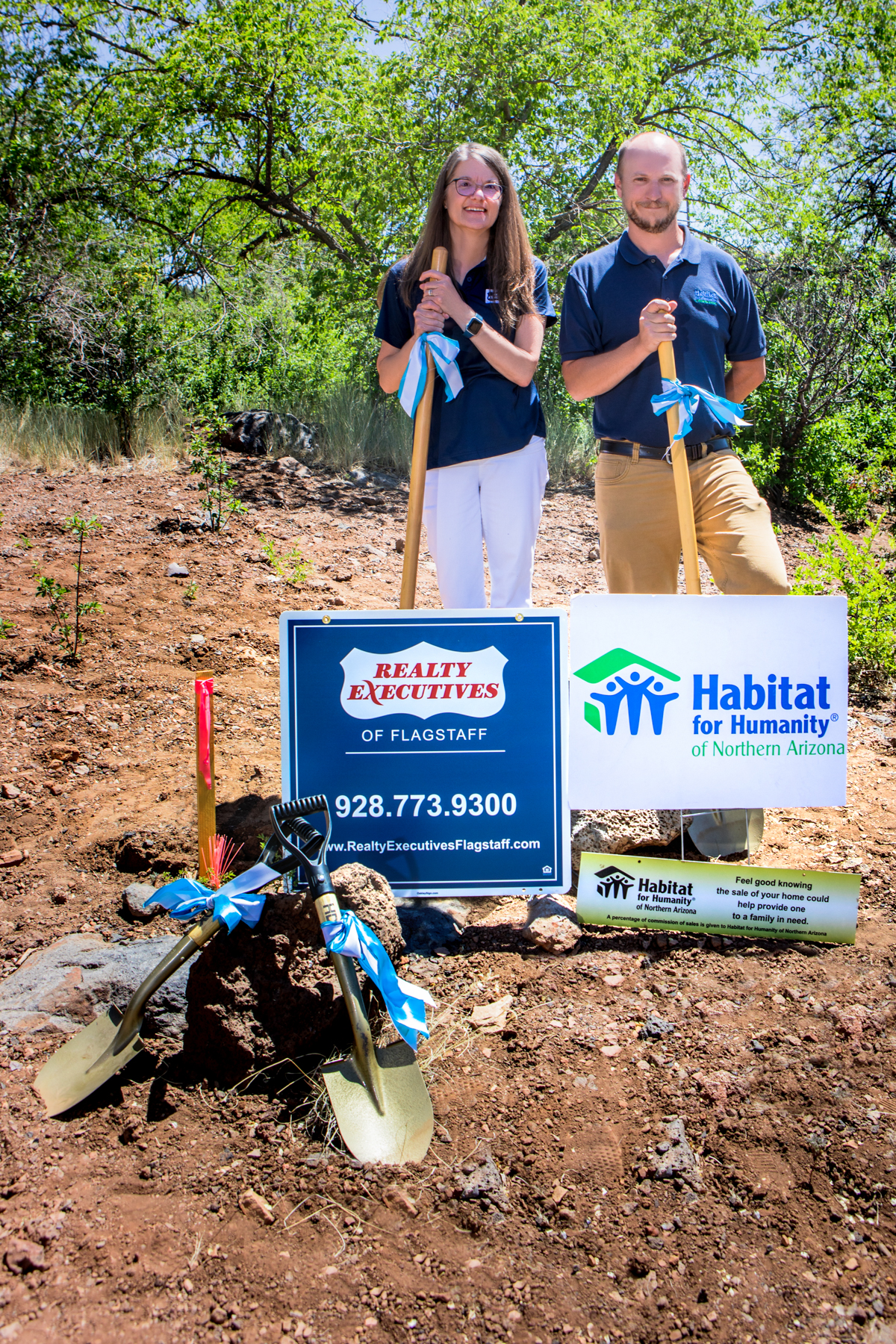
There are currently 27 Agents from Realty Executives of Flagstaff who participate in the Realtor’s Initiative. Simply put, Agents participating in the Realtor’s Initiative donate a portion of their commission to Habitat for Humanity towards building an affordable house. In the month of December 2022 Habitat appealed to the public via radio advertising that Realty Executives of Flagstaff would “match” donations.
Jane Horton, Development Director for Habitat for Humanity of Northern Arizona says, “Just from my experience working with the team at Realty Executives of Flagstaff, it has been so exciting and beyond joyful to build relationships with the absolute best of humanity who simply share the passion and mission of Habitat for Humanity in this community of Flagstaff. The team is always willing to come to our events, home dedications, photo shoots, etc., and promote our efforts in collaboration with print media, social [media], etc.”
Donations from Realty of Executives of Flagstaff to Habitat for Humanity:
Year 2014: $815
Year 2015: $3,060
Year 2019: $5,550
Year 2020: $7,725
Year 2021: $15,650 via Agent Closings, Sponsor a Stud Campaign, and Playhouse Raffle
Year 2022: $17,740 via Agent Closings and donations, A Little Home Raffle
*The above amounts do not include donations made by Agents directly to Habitat (for example, tax credits).
*The above amounts do not include the donations the office made to the Restore.
*The above amounts do not include amounts the office paid to promote Habitat for Humanity.
Realty Executives of Flagstaff is very active in their community, and fosters a culture of giving back. The partnership with Habitat for Humanity has been very rewarding, as together they help families enjoy the benefits of home ownership.
For more information or to make a donation to Habitat for Humanity of Northern Arizona, visit www.HabitatFlagstaff.org
Realty Executives of Flagstaff's tradition comes back to what our mission statement has been with the company: giving back to the community as much as possible and always being involved with the community with everything that we do.
That statement is not just words; there are actions behind them. Realty Executives of Flagstaff and its realtors are actively involved and made donations to over thirty organizations in the Flagstaff area, including schools, the arts, and charities in 2022.
Realty Executives is open seven days a week. Visit our website at RealtyExecutives.com/office/Flagstaff to learn more about listings or to schedule an appointment.
Realty Executives of Flagstaff Prides Themselves on Giving Back
Deciding to buy a home is one of the most financially and emotionally consequential decisions that a person can make in their life, and living in Flagstaff, does not make this process easier. The last few years have been confusing to any home buyer as interest rates and the cost of living rise, but as those who live in Flagstaff know, home prices are exorbitantly higher than the national average, making many of these challenges even more difficult to overcome.
This unfortunate reality makes finding a trustworthy realtor even more important than it already is, and for the past two years, the people of Flagstaff have found that Realty Executives of Flagstaff has served this community best.
Though Realty Executives is a franchise with locations all across the United States, Wayne and Debra McCormick have strived to make their business much more than about selling houses. It’s about a tradition that their family has kept since Wayne’s father, Dave, started the business in 1977.
“The tradition,” Wayne explained, “comes back to what our mission statement has been with the company: giving back to the community as much as possible and always being involved with the community with everything that we do.”
And their efforts to achieve that goal have manifested in a variety of ways, from giving back to the Flagstaff youth and music scene to partnerships with Special Olympics and Habitat for Humanity, but according to the McCormicks, the joy that their efforts bring to members of the community and home buyers alike makes it all worth it.
“That is actually really one of the most satisfying things for us,” Debra said, “finding someone their first home, and being able to afford to live here. It’s not easy to do. But we sure do work hard at that.”
The McCormicks are proud of the work their family has put into building these relationships over the years, but when it comes to their success, they believe the key – aside from quality training and customer service – is having a naturally good team and fostering a culture that incentivizes community engagement and positivity.
“We breed a culture of giving,” Wayne said, “and our agents go out on their own and get involved in the community and go and volunteer at the Flagstaff Food Bank and stuff like that. And you don’t train that, that’s their natural personality of giving and caring, and I guess we’re really fortunate to have associates that have that as their natural trait.”
Despite their smaller size, Realty Executives of Flagstaff has shown their community that you don’t have to be a major realtor to make a big impact. Winning Best of Flag is the ultimate affirmation of all the work the McCormicks have put into building their business, and they’re grateful to have been recognized in such a positive way.
“I’m totally stoked,” Debra laughed. “It’s a real honor to be recognized for everything that we have given back to the community, and we’re going to continue to do so.”
Realty Executives of Flagstaff is open seven days a week at 15 E. Cherry Avenue. Visit their website at RealtyExecutives.com/office/Flagstaff to learn more about their listings or schedule an appointment.

-Matthew Hayden, Arizona Daily Sun, Best of Flag 2022 Winner’s Edition
The ancient Greek philosopher, Heraclitus, said, “Change is the only constant in life.” Well, that’s certainly true, especially in today's Real Estate market,
Things change. Often!
Kids get older. People take on new hobbies. Careers evolve.
As a result, a house that was perfect when the owners originally purchased it may no longer be ideal. That can be the reality even if they’ve only been living there for a short time.
While you may not be in that situation now, you might be in the next few months or years. When that happens, you can count on us to help.
In fact, there are a couple of ways we can work with you as your house needs evolve.
For example, if you need to renovate, we may be able to recommend a good contractor. And, of course, if you need to find a new, “more perfect” home, we can work with you to make that happen.
Just know that Renée and I are here to help ensure your home continues to be the ideal place for you.
So, when you have questions or need advice, reach out to us.
A little update on Jeff and Sue, before digging into the changes in the current Flagstaff Housing Market.
Since we semi-retired and turned most of the day-to-day Real Estate operations over to Renée September of last year, we have been working hard at retirement.
 |
After 14 months, not sure we have it all figured out yet, but can say we have given it a good try by traveling in and out of the states, visiting our kids and grandkids, taking up a new hobby: bikepacking, and getting in some serious backpacking. Sue going to the gym, traveling to Quilt Fairs and completing some Gorgeous Quilts. |
Let’s move on to some Real Estate news.
As we move into more detail, unless we specify, we will be talking about the general Flagstaff and surrounding areas and will be talking about residential homes including Single Family, Townhome, Condo, and Manufactured homes.
You have been reading all the national news and, in reality Flagstaff is not too far off.
One of the most telling facts is the Sales Price received ‘Compared To’ the List Price.
Going back to December 2019, homes were selling in the 98.8% of list price, so slightly under.
By February 2020 that figure climbed to 99.5% of List price and hovered in the 99% range till October of 2020 when it hit 101.1%, meaning that homes sold for 1.1% higher than list price.
To Clarify, 100% would mean the home sold at list price.
For the next 20 months we saw this happen monthly, with a peak in March of 2022 to 104.6%
Now that 4.6% over list price may not seem like a lot, but with a Median Sales Price that month of $620,000, that amount Averaged over $28,500 per home over list price, this is a significant amount. Yes, you may have heard of much Higher, and there were those you did not hear about, that were lower.
 |
Changes came fast in early to Mid-2022, partly because of rising mortgage rates. In June homes selling at 101.6% over listing to July homes selling under list at 99.6% and by October of 2022, was down to 98.1% of list price.. Again, a significant amount since the Median price home price in October 2022 was $673,000 so a reduction of 1.9% in price amounts to -$12,787. |
Home prices for the first 10 months of 2022 are still at an increase of 15.7%, August being the only month that showed a decrease in the median values of homes sold, and that was only -1.4%.
Do Not expect this +15.7% increase in Median price to continue. The first quarter of the year, we hovered at an increase of +30%, and has dropped significantly since to our currently year-to-date of 15.7%
So far this year we have sold -22.8% few homes than 2021 and -12.7% fewer homes have come to the market.
|
Couple of other interesting facts,as referenced above, in October 2020, we hit 101.1% of list price, that month, the Median Home price was $497,000, selling at $248 a sq ft, with only 84 active homes on the market looking for a buyer. Fast forward 2 years to October 2022 the Median Home price is at $672,702, selling at $363 a sq ft, with 244 active homes on the market looking for a buyer. |
 |
 |
 |
Lastly, what has happened in the past 5 years:
If we go back to 2018, our median home prices have increase 69.4%, from $369,000 in 2018, to today thru the first 10 months of the year to $625,000. We are selling -14.1% fewer homes, and -15.9% fewer homes are coming to the market.
Cash sales have slightly increased from 24.2% in 2018 to this year to date of 28.9%
We hope this helps give you a broad overview of what has happened this year in the market.
As Always, if you have question, please know we are both here for any questions.
 |
Renée Gaun * Jeff Ross 928-606-6232 Renee
|
15 E. Cherry Ave |
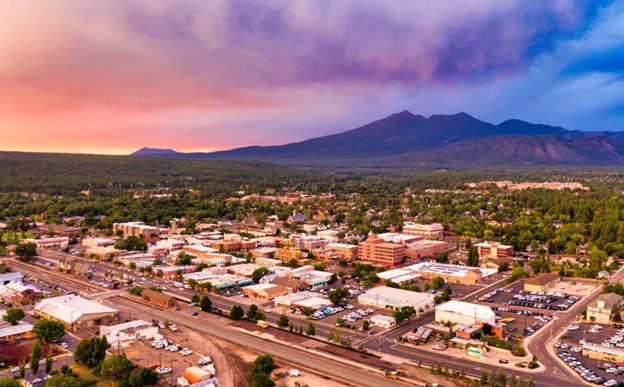
Did you know that Flagstaff in Coconino County, Arizona, is home to the world's largest ponderosa pine forest?
Or that it was once a stop on the famous Route 66?
Route 66, also known as the Mother Road, was a highway in the United States that stretched from Chicago to California.
It was established in 1926 and served as a major transportation route for people and goods during the Great Depression.
Many historical landmarks and tourist destinations can be found along the route.
Whether you want to go hiking and biking in the forests or explore downtown's historic district, this city has something for everyone.
Here are some of the best things to do in Flagstaff, Arizona:
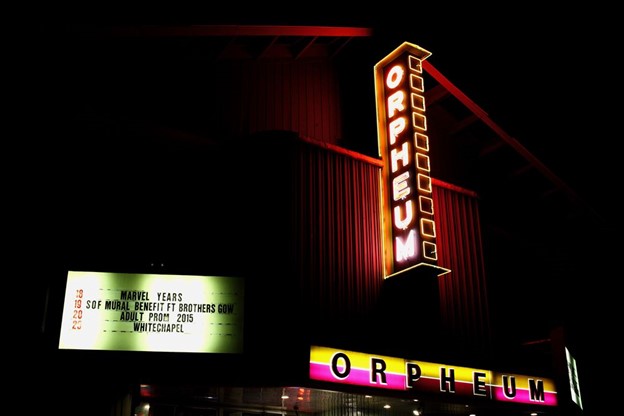
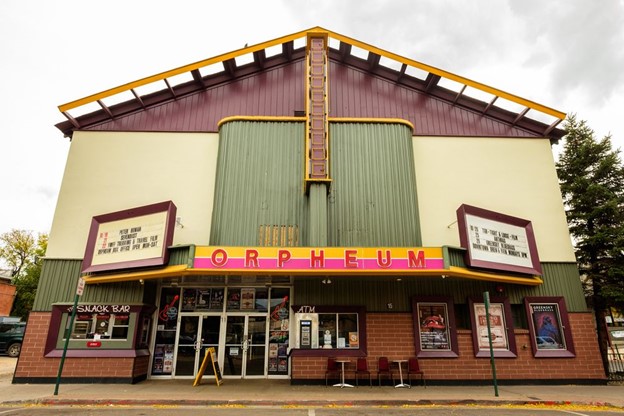
The Orpheum Theater:
Built in 1911, it was originally known as the Majestic Theater.
It served as a major movie theater for the community until it closed in 1999.
The building remained closed for three years until it was renovated and reopened in 2002.
Today, the Orpheum Theater hosts a variety of live performances, including concerts, plays, and comedy shows.
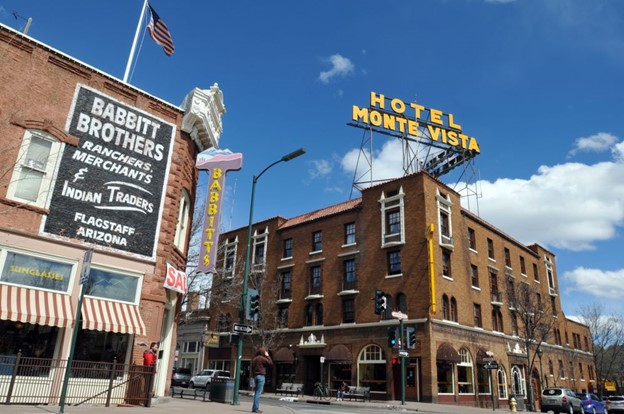
Historic Downtown Flagstaff is a place brimming with history and culture.
The district is lined with beautiful old buildings full of historic charm and character, most of which date back to the early 1900s.
The district has several museums and historical landmarks, including the Museum Club, the Elks Opera House, and the Weatherford Hotel.
Visitors can also enjoy shopping and dining in Historic Downtown Flagstaff.
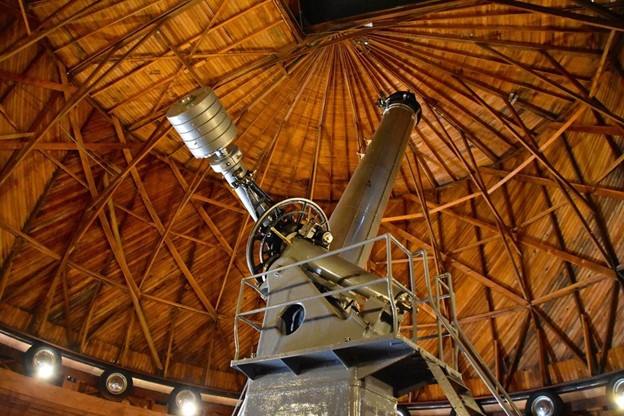
Lowell Observatory is a historic observatory located on West Mars Hill Road.
Founded in 1894, it was the first observatory in the United States to be open to the public.
It’s best known for its discovery of Pluto in 1930.
Today, Lowell Observatory is home to several telescopes and exhibits that allow visitors to explore the universe and see the stars.
Some exhibits on display include the Leonard Nimoy Planetarium, the Discovery Center, and the Aspen Grove.
The Leonard Nimoy Planetarium is a state-of-the-art theater that uses advanced digital projection technology to recreate the night sky.
The Discovery Center is a hands-on exhibit space that features displays about planets, stars, galaxies, and other topics in astronomy.
The Aspen Grove is an outdoor exhibit area with many interactive displays about the sun, moon, planets, and other astronomical objects.
Nestled on North Fort Valley Road, the Pioneer Museum is a great place to learn about the history of the American frontier.
The museum features several exhibits that tell the story of how the west was explored.
Some highlights include a replica of a pioneer cabin, an interactive mining exhibit, and a life-size diorama of Fort Apache.
In addition to its exhibits, the Pioneer Museum also offers many educational programs for visitors of all ages.
Some of these programs include the Living History Program, which allows visitors to learn about pioneer life first-hand from costumed interpreters, and the Trails to Treasure Program, which teaches kids about archaeology and history through interactive activities.
The Pioneer Museum is a great place to learn about America’s western heritage, and plenty of fun and educational programs are available for visitors of all ages.
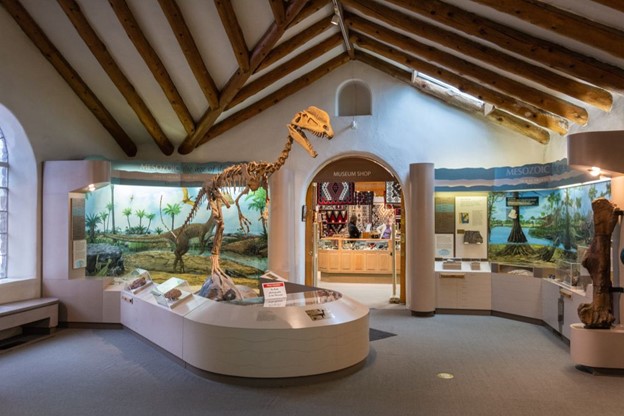
The Museum of Northern Arizona is a museum dedicated to the study and preservation of Native American culture.
Located on North Fort Valley Road, the museum features several exhibits that explore the history and culture of the Navajo, Hopi, Zuni, and other Native American tribes.
Some highlights include the Navajo Code Talkers exhibit, which tells the story of how Navajo marines used their language to create an unbreakable code during World War II.
There’s also a pottery lab that allows visitors to watch potters working on traditional pottery techniques.
The Museum of Northern Arizona is a must-see for anyone interested in learning about Native American culture.
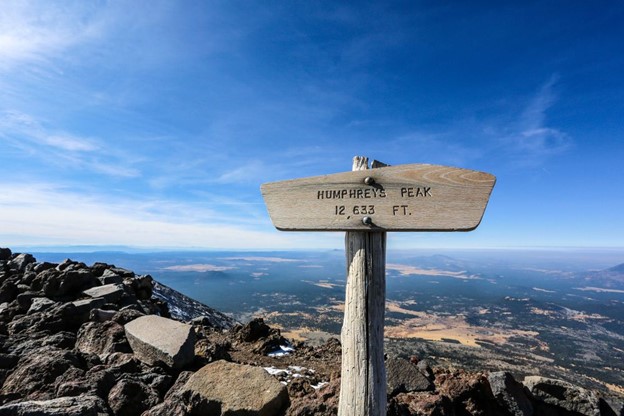
If you’re looking for a great outdoor activity in Flagstaff, hiking to Humphreys Peak is the way to go.
Located just a short drive from the city center, it is the highest point in the state and offers some of the best views you can find.
The hike to the summit is about a six-hour round-trip, but it’s well worth it when you reach the top.
In addition to hiking, there are several other activities available, including camping and fishing.
For anyone looking for a great outdoor adventure, be sure to check out Humphreys Peak.
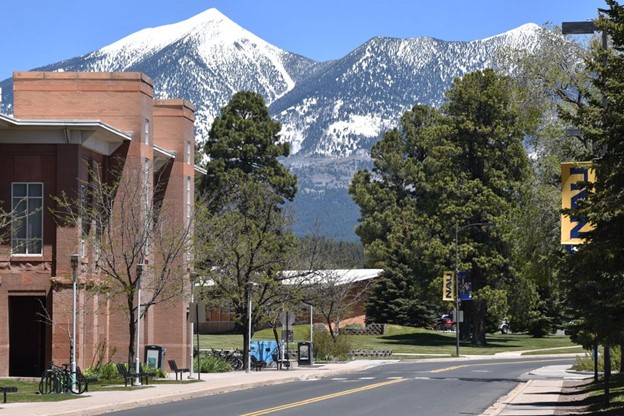
Northern Arizona University is a public university located on South San Francisco Street.
The university offers a variety of degree programs in several fields and is home to the world-renowned School of Forestry.
In addition to its academic programs, it offers many activities and attractions for visitors, including the NAU Observatory, which features interactive displays about the sun, moon, planets, and other astronomical objects.
It also has several beautiful hiking trails on campus, which offer great views of the surrounding area.
Northern Arizona University is an excellent place to learn about forestry and nature conservation.
Flagstaff Mall is a great place to spend a day when you’re looking for something fun to do.
In addition to its wide variety of stores, the mall along US-89 also offers different activities and attractions for visitors.
Its highlights include a children’s play area featuring games and activities for kids and a [nearby] movie theater that offers a variety of new releases and family-friendly movies.
The mall also has several restaurants for visitors who want something to eat, including everything from fast food chains to upscale dining options.
Flagstaff Mall is an excellent place to spend a day with friends or family.
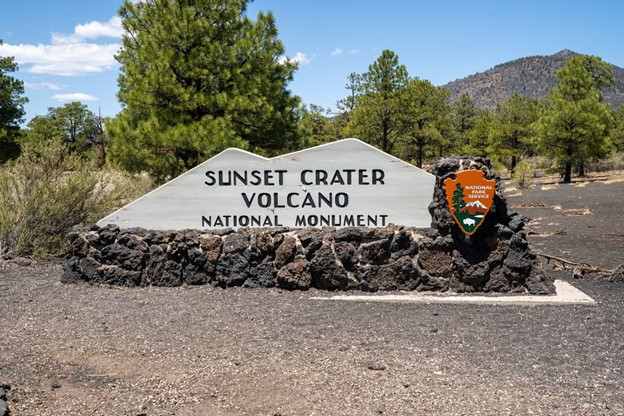
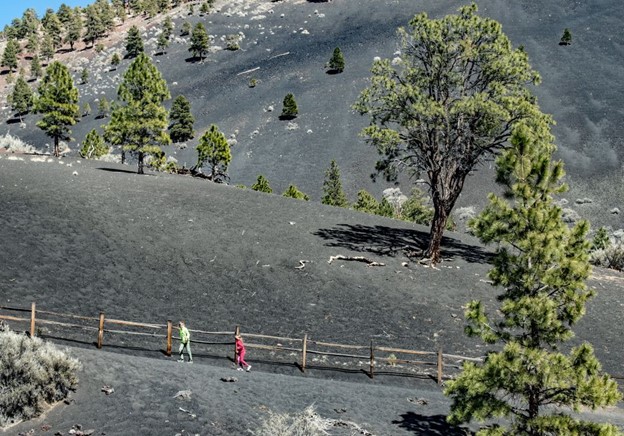
Sunset Crater Volcano National Monument is a must-see for anyone visiting Flagstaff.
The monument is home to the Sunset Crater, a conder cone volcano formed about 1,000 years ago.
The volcano is still active and features several hiking trails that offer great views of the surrounding area.
In addition to its hiking trails, Sunset Crater Volcano National Monument also features exhibits that tell the story of how the volcano was formed.
The highlights include a replica of a Native American village that showcases how people in the area lived before and after the eruption.
There’s also an interactive video exhibit that allows visitors to learn more about the science behind volcanoes.
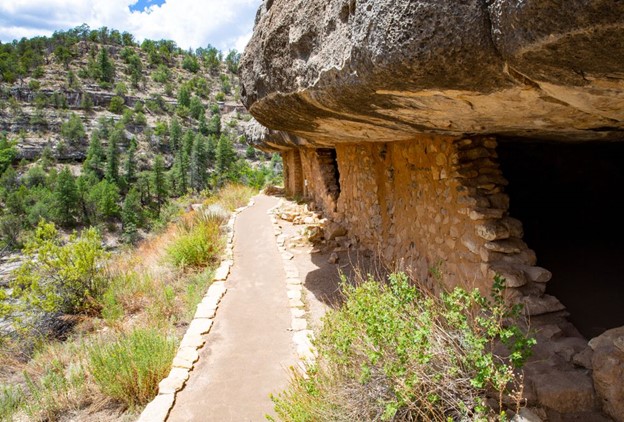
Walnut Canyon National Monument is a great place to learn about the history of Southwest America.
Located on Walnut Canyon Road, the park offers ranger-led tours of the canyon and self-guided tours of the visitor center and museum.
Walnut Canyon National Monument offers a variety of hiking trails for visitors to explore.
The shortest hike is the Island Trail, a half-mile loop that takes visitors around the island in the canyon’s center.
The longest is the Rim Trail, a six-mile round-trip that takes hikers to the top of the canyon walls.
There are also plenty of trails in between, so hikers can choose a trail that best suits their abilities and interests.
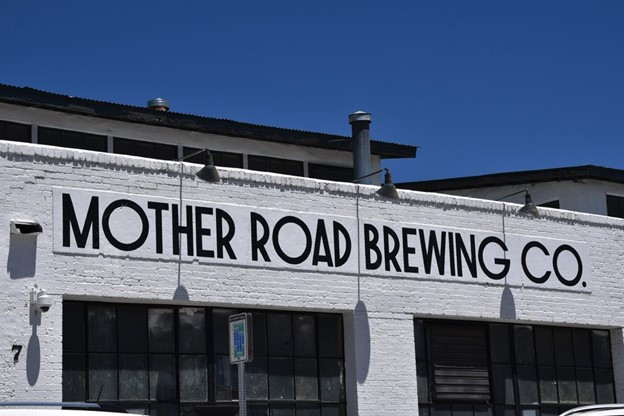
Flagstaff is home to several excellent breweries, and Mother Road Brewing Company is one of the best.
The brewery offers a variety of different beers, including everything from IPAs to stouts.
Mother Road Brewing Company is best known for its wide variety of craft beers.
Its most popular beers include the Tower Station IPA, the Route 66 Blonde Ale, and the 7th Street Stout.
The Tower Station IPA is a classic IPA that is heavily hopped and features a citrusy flavor.
Meanwhile, the Route 66 Blonde Ale is a light, refreshing beer perfect for summer days.
The 7th Street Stout is a rich, chocolatey stout that will satisfy your cravings.
In addition to its wide variety of beers, Mother Road Brewing Company also offers various tours and tastings. It’s the perfect place to try some local craft beer.
If you’re looking for a delicious and unique craft beer, check out Mother Road Brewing Company on South Mikes Pike Street.
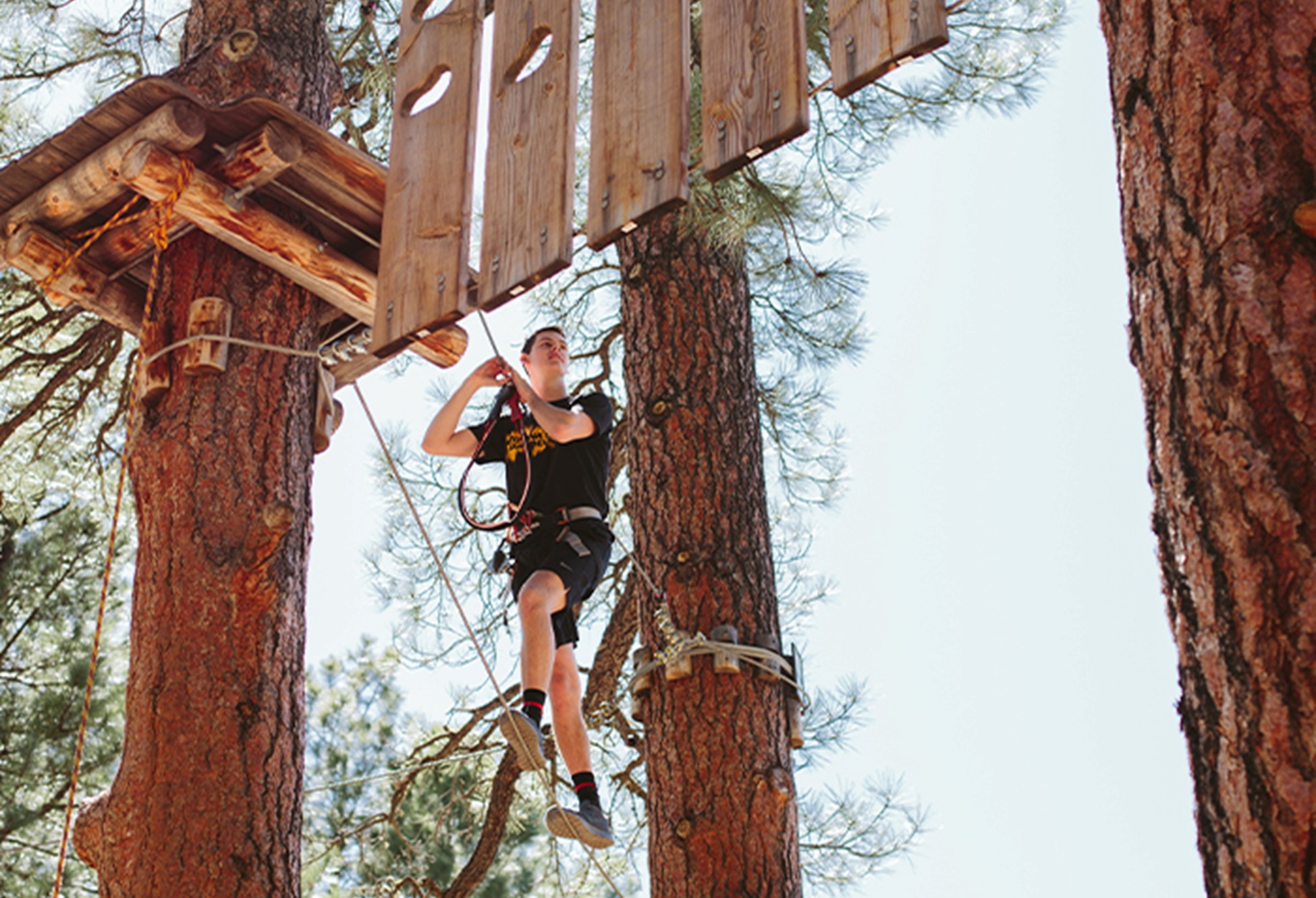
If you’re looking for an adrenaline rush, Flagstaff Extreme is the place for you.
Located in Fort Tuthill County Park, the course offers various activities that will test you and push you to your limits.
Highlights include a zip line that takes visitors over the forest canopy, and a rock wall, which features challenging obstacles.
The course also has several trails perfect for hikers of all abilities.
Flagstaff Extreme is perfect for anyone who wants to experience some excitement and adventure that will get the blood pumped and give you a rush of adrenaline.
The Arboretum at Flagstaff is a beautiful place to visit any time of year.
Located on South Woody Mountain Road, it comprises several gardens and walking trails, perfect for visitors who want to enjoy the beauty of nature.
The gardens feature various plants, including everything from cacti to roses.
Meanwhile, the walking trails are perfect for hikers of all abilities, and the arboretum has picnic areas ideal for family gatherings or date nights.
In addition, the arboretum offers many different events throughout the year.
Highlights include the Spring Plant Sale and the Holiday Lights event, which features thousands of lights illuminating the grounds during the holiday season.
The Arboretum at Flagstaff is worth a visit if you’re looking for a beautiful place to relax and enjoy some natural beauty.
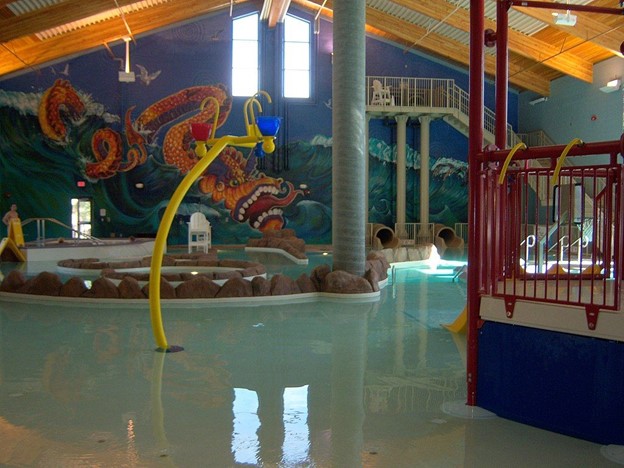
If you’re looking for a place to cool off and have fun, the Flagstaff Aquaplex on North Fourth Street is the place to you.
It’s a multigenerational recreational center that offers various activities, such as swimming lessons, indoor wall climbing, and a fully-equipped gymnasium.
The aquaplex also has several pools, including a pool heated to 85 degrees year-round.
The pool is perfect for swimming, diving, and playing games with your friends.
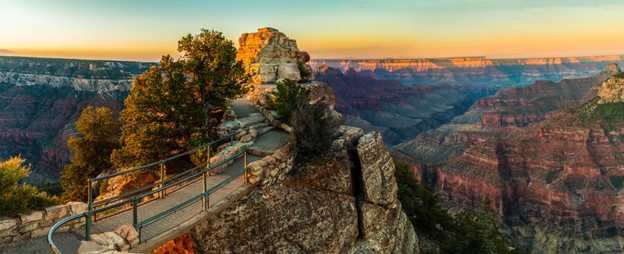
Grand Canyon National Park is one of Arizona’s most popular tourist destinations, and for a good reason.
It’s home to some of the most stunning natural wonders in the world, including the Grand Canyon itself.
The Grand Canyon is a mile-deep canyon carved by the Colorado River over millions of years.
The park offers a variety of activities and attractions for visitors, including hiking, camping, fishing, and river rafting.
An hour and 20 minutes from Flagstaff, Grand Canyon National Park is a must-see for anyone visiting Arizona.
Flagstaff is a charming city that offers plenty to its visitors.
Whether you want to explore the great outdoors or learn about its rich history, there’s something for everyone in the city.
So, what are you waiting for?
Start planning your trip, and be sure to check out all the best things to do in Flagstaff, Arizona!
Blake Walsh, Oct. 14, 2022, Travel Lens
Where the Experts are - Serving Flagstaff and Northern Arizona since 1977
 |
|
 |