When buyers start looking at homes, most of the attention naturally goes inside.
How many bedrooms? How big is the kitchen? Is the primary bedroom large enough? What does the flooring look like? Where will the furniture go?
Those things matter.
But somewhere along the way, I think we need to have another conversation.
How do you live?
Because you're not just buying bedrooms, bathrooms and square footage.
You're buying a place to live.
And sometimes the things that end up affecting how much you enjoy a home aren't the things that first caught your attention online.
Before We Talk About the Backyard, How Do You Live?
I can tell you a home has a covered patio, mature trees, mountain views, a pool or some extra separation between you and the neighbors behind you.
Those are features.
Whether they're important to you is a completely different question.
Some people practically live outside. Give them a comfortable chair, some shade and a nice Arizona evening, and that's where you'll find them.
Some love to entertain. Some garden. Some want a pool. Some need room for the dogs.
And some people may not spend much time outside at all—but they care tremendously about privacy. They don't need acres around them; they just don't want to feel like another house is sitting right on top of their backyard.
Then I have buyers at the complete opposite end:
"Jesse, give me as little yard as possible. I don't want to take care of it."
Perfect.
There isn't a right answer. There's your answer.
My job isn't to convince you that you need a big backyard, a view lot or a home backing toward natural space.
It's to help you figure out whether those things matter to you before you buy the house.
Sometimes You Don't Know Until You Live It
I'll use my own homes as an example.
Our previous home started with essentially a bare backyard. We tried gardening. We tried grass.
But the truth is, we never really used the backyard very much.
When we bought our next home, we knew we wanted a pool.
What I didn't realize was how much that would eventually change the way we lived.
Once we started spending more time outside, the backyard evolved around us.
We added turf. Then more turf. Eventually came a hot tub. More furniture appeared. Plants came. We created more comfortable places to sit.
Little by little, it stopped being simply "the backyard."
It became part of our home.
There wasn't some grand master plan. We started using the space, and as we used it more, we discovered what made us enjoy it even more.
Today, I'd have a difficult time considering a home that offered substantially less outdoor living than what we've become accustomed to.
I couldn't necessarily have told you that years ago.
Sometimes you don't know how important a space is going to become until you have the opportunity to live in it.
In Southern Arizona, Outside Can Become Another Room
I work with a lot of people moving to Southern Arizona, and outdoor living is often part of what attracted them here in the first place.
They're picturing that January afternoon when friends back home are shoveling snow.
Morning coffee on the patio. Dinner outside. A Saturday around the pool. Watching a monsoon roll across the mountains. Or simply sitting outside with the dog at the end of the day.
We have our hot months. Nobody needs me to pretend Tucson isn't hot in July.
But throughout much of the year, our outdoor spaces really can become an extension of how we live.
And just like the rooms inside, how well that space works for you depends on more than its size.
Privacy Isn't Just About a Fence
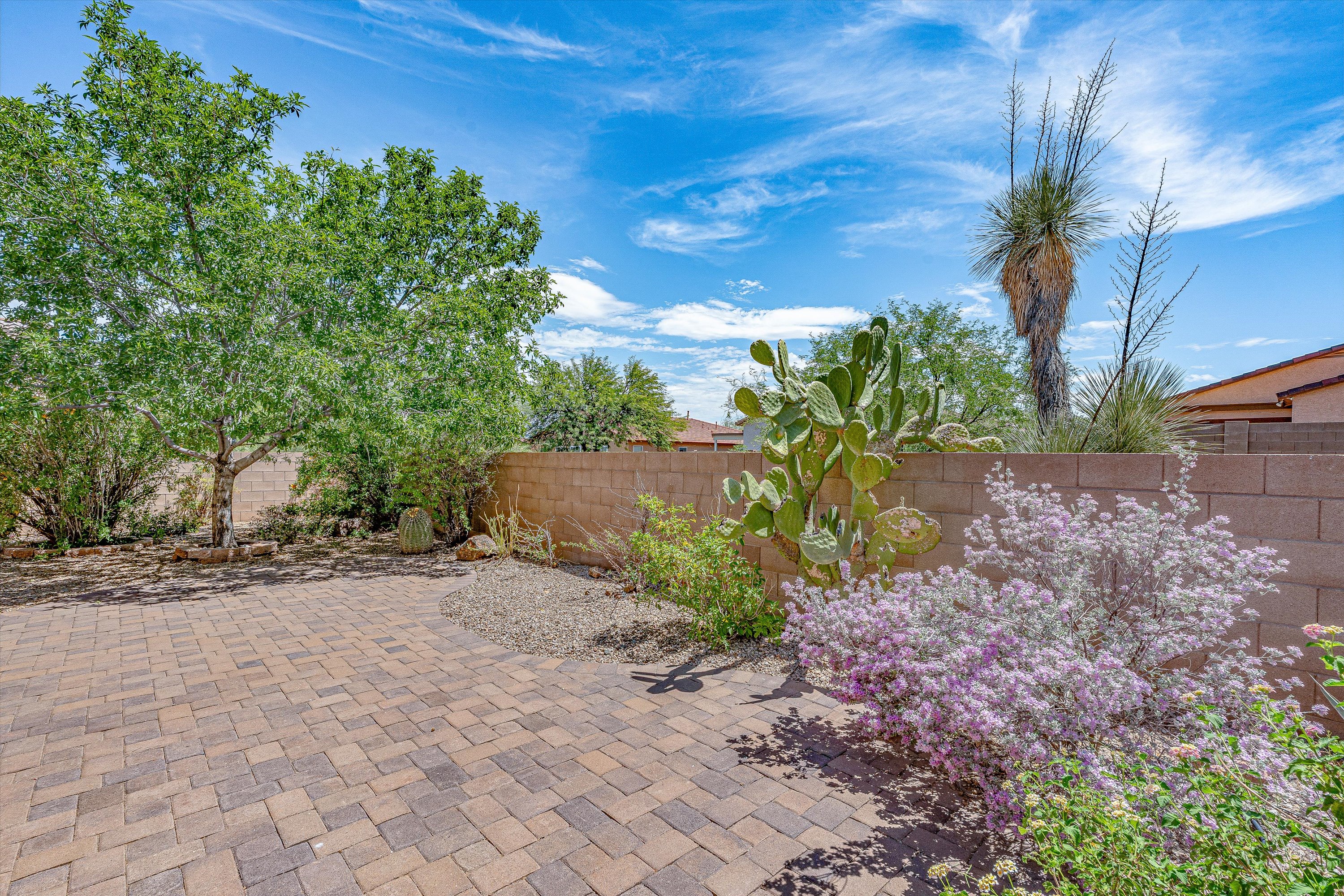
Privacy isn't necessarily about having the tallest block wall—or having no other homes in sight.
Sometimes it's simply distance and separation.
One home might have another backyard immediately on the other side of its rear wall. Another might have a wash, common area or natural space creating a buffer before the next home.
You may still see neighboring houses. You're still living in a neighborhood.
But that extra distance can change how the backyard feels.
There's a little more breathing room.
If privacy matters to you, that can make a meaningful difference.
The House Can Change. The Lot Usually Can't.
This sounds almost too simple, but it's something I talk about with buyers.
You can change the countertops. You can replace flooring. If you hate the paint, we can fix that.
But I can't move the house behind you.
I can't create additional separation that isn't there.
And I can't make a mature tree appear overnight.
That's why I want buyers to spend some time outside when we're touring homes.
Don't just open the sliding door, stick your head outside and come back in.
Walk out there. Stand on the patio. Look around.
Where's the sun? Where are the neighbors? What's beyond the wall?
Can you picture yourself living out here?
A Backyard Doesn't Have to Be Finished
Sometimes what I'm looking for is simply a good starting point.
Is there already a covered patio? Hardscaping? Mature trees? Irrigation? Shade?
And is there room to make the space your own?
Maybe that's an outdoor kitchen, firepit, spa, garden or somewhere for the dogs.
Or maybe your perfect backyard is two comfortable chairs, some shade and very little maintenance.
The important thing is understanding what already exists, what you might want to change and what it would take to get there.
New Construction and Resale Aren't Always Apples to Apples
This becomes especially important when comparing resale with new construction.
With many new homes, the backyard may start much closer to a blank canvas—sometimes literally dirt.
There's nothing wrong with that. Some buyers love starting from scratch.
But if you want pavers, trees, irrigation, turf, landscaping, lighting or an outdoor living area, somebody eventually has to create it—and pay for it.
Then there's the lot itself.
When choosing a homesite from a builder, you'll often discover that not every lot costs the same.
More space? There may be a premium.
More separation? There may be a premium.
A desirable view or natural space behind you? There may be a premium.
Builders understand something that's easy to forget when we're scrolling through resale listings: the dirt underneath the house matters.
A resale home may already have pavers, irrigation, established landscaping, trees or other improvements someone else paid to install.
And some of that value isn't just money.
It's time.
You can buy a tree tomorrow.
You can't buy ten years of growth tomorrow.
Does every dollar a previous owner spent on landscaping translate dollar-for-dollar into resale value? Of course not.
But when comparing homes, it's worth recognizing what's already there.
Sometimes the better question isn't:
"What does this house cost?"
It's:
"What would it cost me—in money and time—to create this somewhere else?"
A Real Example: 513 S Stone Bench Road
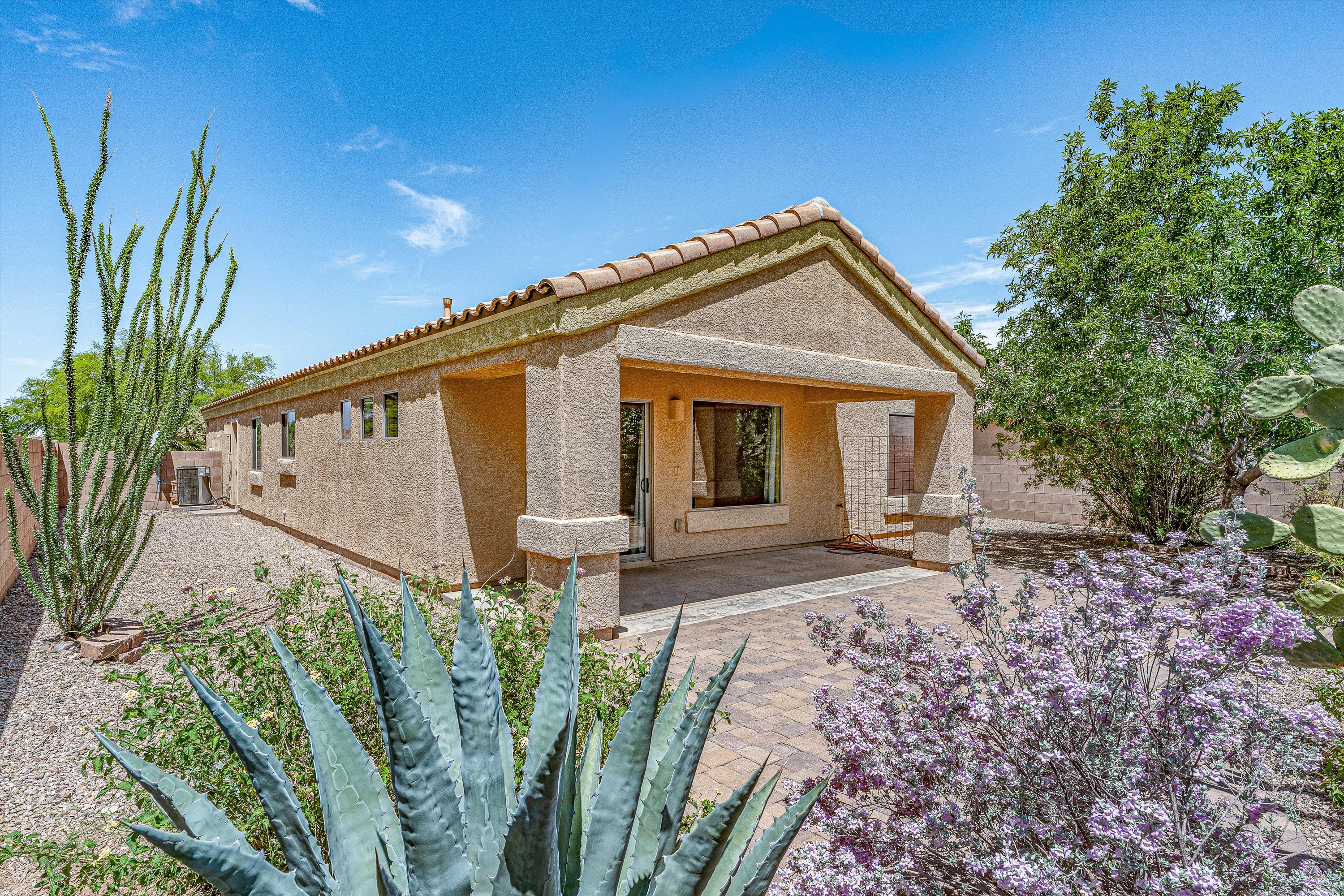
This brings me to 513 S Stone Bench Road in Corona de Tucson.
I've talked about this home before because of its unusual interior layout: all three bedrooms are separated from one another rather than sharing bedroom walls.
But walk outside and the lot tells another part of the story.
There are homes behind the property, but they're not sitting immediately against the backyard.
Between this backyard and those homes is a natural wash/common-area space that creates a buffer.
That's something photographs have a hard time showing.
You can see neighboring homes in the distance, but when you're actually standing there, the additional separation gives the backyard more breathing room—and a greater sense of privacy than you might expect from the pictures.
You're still living in a neighborhood. This isn't five acres in the desert.
There's simply some space between you and what's behind you.
And depending on how you live, that might matter.
The backyard itself is what I'd call a head start.
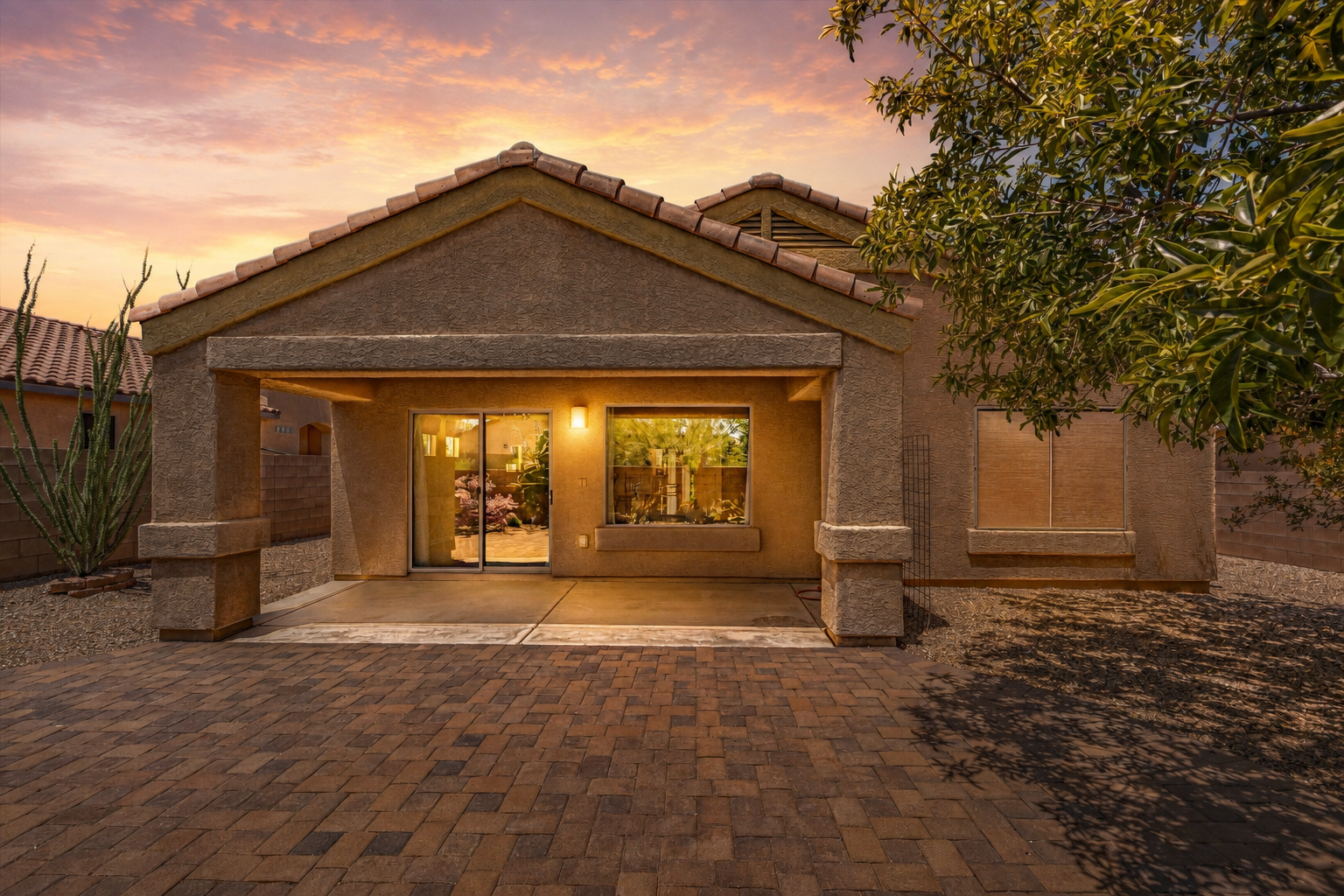
There's already a covered patio, a substantial amount of paver hardscaping, established trees and desert landscaping.
But there's also room to make it yours.
You're not starting with bare dirt.
You're also not necessarily buying someone else's elaborate idea of the perfect backyard.
The foundation is there, and there's still room to make it yours.
View 513 S Stone Bench Road
What Would You Put Back Here?
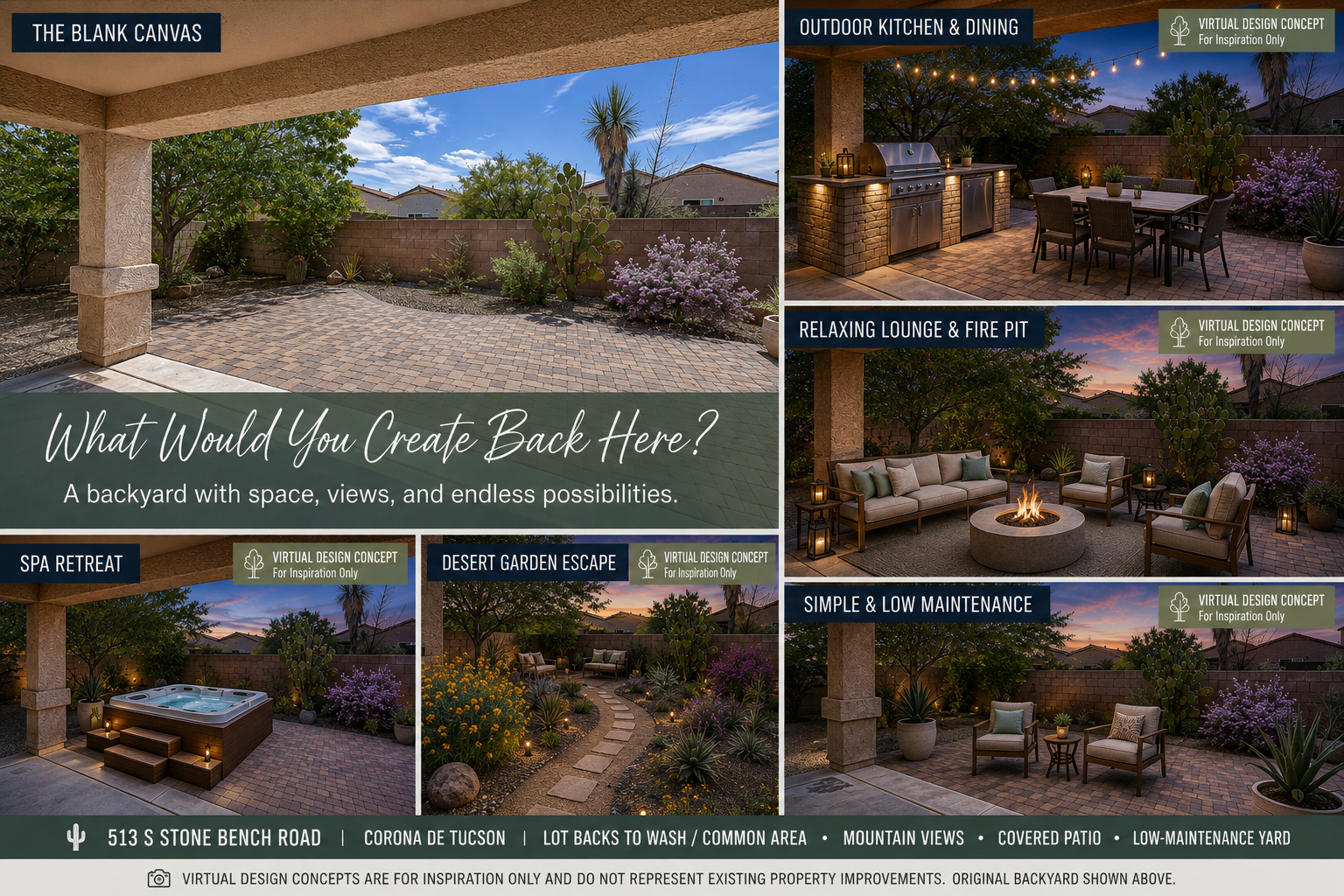
That's the question I started asking when I looked at this backyard.
Outdoor kitchen and dining area?
A seating area around a firepit?
A spa?
More landscaping?
Or leave most of it alone, add some comfortable furniture and enjoy a relatively low-maintenance backyard with that natural buffer behind you?
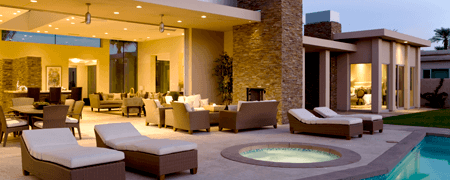
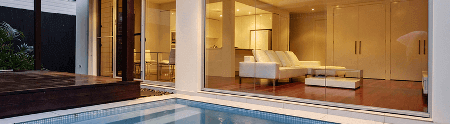
That's why we created a few virtual design concepts for the space.
They're not intended to suggest those improvements currently exist. They're simply meant to help you use a little imagination.
Don't just ask what the space is today.
What could this become for me?
Virtual design concepts are for inspiration only and do not represent existing property improvements.
So, How Do You Live?
That's really where this whole conversation started.
Maybe outdoor living is incredibly important to you. Maybe privacy matters more.
Maybe you need room for the dogs. Maybe you want a pool. Maybe you love gardening.
Maybe you're moving to Arizona and haven't figured out yet how much you're going to enjoy being outside.
Or maybe you're thinking:
"Jesse, I don't care. Give me the smallest yard possible."
That's okay too.
I don't need your answer to be the same as mine.
I just want you to think about the question before you buy.
Countertops can change. Flooring can change. Paint can change.
Backyards can evolve, too. Mine certainly did.
But where the house sits, what's beyond your back wall and how much separation you have?
Those aren't nearly as easy to change.
So when you're shopping for your next home, don't accidentally buy the kitchen and forget about the dirt underneath it.
Walk outside.
Spend a minute there.
How would I live here?
New Here?
If this is the first article you've read, I'd encourage you to visit my Understanding Your Options page.
It's a good introduction to how I approach real estate, why I ask the questions I do, and why I believe understanding your options should come before making a decision.
Whether you're buying, selling, or simply trying to figure out what makes sense for you, that's a good place to begin.
Start Here — Understanding Your Options
Buying or selling a home doesn't have to be overwhelming. My goal is simply to help you understand your options so you can make the decision that's right for you.
Property availability, pricing and listing information are subject to change. Virtual design concepts are for inspiration only and do not represent existing property improvements.