Realty Executives of Northern Arizona
It looks like Spring has finally sprung in Flagstaff! Warmer weather is on the horizon and it might be safe to plant flowers in the coming weeks. Our real estate market has also seen some changes.
The first quarter of 2026 highlights a market in transition. While prices have softened slightly and sales activity has slowed, a key change is shaping the landscape: more active listings compared to 2025, giving buyers increased options and creating a more balanced environment overall.
Here are a few key market highlights:
What does this all mean for you? If you are a seller with more competition on the market, pricing and presentation matter more than ever. Homes that are well-prepared and accurately priced are still selling—but patience and strategy are key. If you are a buyer, this is a more favorable environment than we’ve seen in recent years. Increased inventory, longer market times, and improved negotiating power provide a window of opportunity.
The bottom line is that 2026 is shaping up to be a more balanced and sustainable market. With increased inventory and shifting dynamics, both buyers and sellers can find opportunity—if they approach the market with the right strategy.
If you’d like a customized market analysis or want to explore your options, feel free to connect anytime. Your continued trust and referrals are so appreciated.
Wishing you and yours many blessings,
Kim

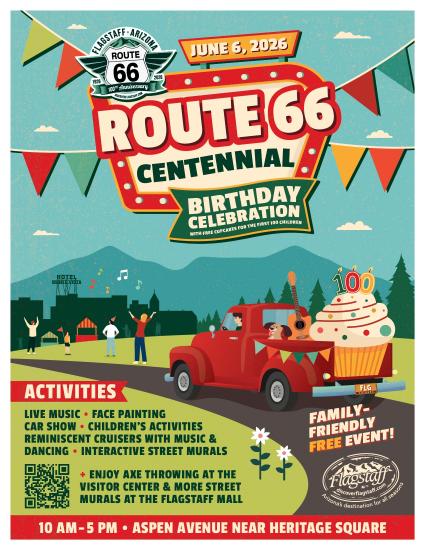
Discover Flagstaff has mobilized with plans to support the city’s restaurants, accommodations and attractions for Route 66’s 100-year anniversary in 2026, which will celebrate the highway’s history, lore and nostalgia. There is a special day-long celebration scheduled for June 6, 2026 from 10am-5pm. It will be focused on Aspen Avenue near Heritage Square.
Route 66 continues to inspire people to visit the highway corridor where it once crossed northern Arizona on its 2,400-mile journey across eight states from Chicago to Santa Monica.
Flagstaff has about 14 miles of the historic road, along with buildings that date to the highway’s heyday that now welcome guests as hotels, restaurants, breweries and other amenities.
Flagstaff also boasts the most national parks and monuments for visitors to see on a side trip from the their Route 66 vacation, including Grand Canyon National Park. The city can expect people from around the world to visit during the more than year-long Centennial celebration.

That exhibition will be called “Route 66: Wagon Road to Mother Road” and will trace the progression of the road from the Beale Wagon Road and its effects on the landscape and cultures of northern Arizona. Based on research by Museum of Northern Arizona archaeologists, it will include hair-raising tales of littering, drinking and driving, car crashes, and suspect repair shops along the 'Bloody 66.'
Other historical sites around Flagstaff will have similar offerings.
Riordan Mansion State Historic Park, where visitors can see the 1904 home built by the family that ran a lumber mill in Flagstaff, is planning a Route 66 exhibition that will include documents, maps, photos, and a special tour called “Riordan Roads and Travels in Northern Arizona.” The Riordan family was involved in the creation of Route 66. The lumber mill formerly sat near the site of the current High Country Motor Lodge, and the highway ran through the property.
Northern Arizona University’s Cline Library Special Collections and Archives is planning an on-site and virtual Route 66 exhibition for one year starting in fall 2026. The facility is open to the public and is the designated home to archival documents on Route 66.
The Flagstaff Visitor center will have special Route 66 merchandise available in addition to refurbishing the iconic mural where visitors can take photographs at the center. Already, the center offers a self-guided, audio walking tour introduced by actor Ted Danson, who grew up in Flagstaff. The tour is called “Walk this Talk” and highlights historical sites downtown.
The Visitor Center will have additional offerings for the Centennial, including a digital passport visitors can use to check off various Route 66 attractions around the city to earn prizes.
The celebration on June 6 ends at 5pm, but the fun doesn't end there. There will be more live music at Heritage Square until the annual Movies on the Square begins, featuring the Disney movie Cars.
For more information about the 66 Things To Do on Route 66, click here for a guide and map.
As the longest-running brokerage in Northern Arizona, Realty Executives of Northern Arizona is proud to have our office in historic downtown Flagstaff, and to be actively involved in local events, history, and knowledge of the region's real estate. When you are ready to find out more about the area from the Realtors® that have won the Best of Flagstaff Award for the past five years, call, click, or come by the office!
~Excerpts taken from Randazzo, Ryan. “Route 66 Centennial: Flagstaff gears up to celebrate the highway’s 100-year anniversary.” Progress Report 2024. Arizona Daily Sun. April 2024.
~Other information found at Discover Flagstaff

What Young Buyers Are Looking for in a Home
Millennials make up 29% of recent homebuyers. While Gen Z accounts for only 3% of buyers, considering what they’re looking for now will help you future-proof. These generations are facing a challenging market with high home prices and interest rates, which heavily influence what they look for in a property.
According to 76% of agents, a move-in-ready property is the biggest selling point for today’s buyers. Many young buyers prefer turnkey houses because they often have limited funds for immediate, large-scale renovations.
Beyond finances, the values of younger buyers play a huge role. They are environmentally conscious and seek spaces that reflect this. Millennials, in particular, find energy-efficient appliances and features most appealing.
Similarly, with a large portion of the workforce now working remotely or on a hybrid schedule, versatile living spaces are essential, with multipurpose rooms being one of the most valuable features in today’s listings. Today’s young buyers are looking for a home that aligns with their sustainable, technologically current, and adaptable lifestyle.
To maximize your home’s appeal, focus on these high-impact upgrades that resonate with younger buyers.
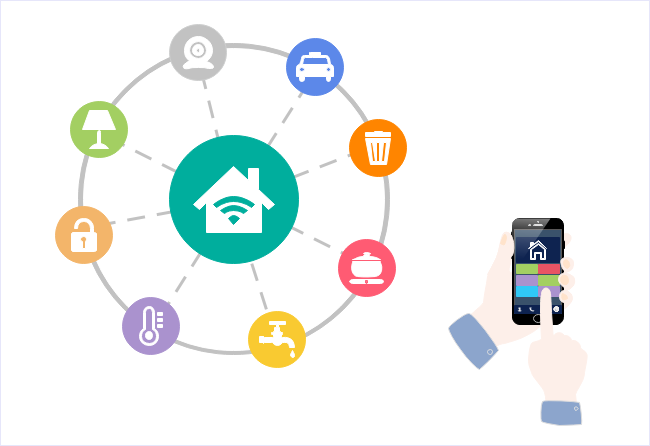
Today, 48% of all U.S. houses have at least one smart home device. In addition to offering convenience, smart home features can provide energy savings and peace of mind, which are key selling points for a younger demographic.
For instance, smart front door security systems with video doorbells and remote-locking capabilities offer safety and provide a new level of convenience for a generation accustomed to frequent package deliveries. The ability to see who is at the door, grant access remotely and monitor packages from a smartphone are practical, everyday benefits that resonate with tech-savvy buyers.
A smart home goes beyond the front door. The garage is an often-overlooked area for tech integration. With around 918,000 electric vehicles purchased in 2022, adding an electric charging station to a garage can appeal to younger, eco-conscious buyers. Incorporating smart technology allows potential buyers to monitor their charging remotely.
These interconnected features work together to present a house that’s both convenient and secure. This integrated approach to technology is a powerful signal to young buyers that a listing is truly future-ready.
Millennials and Gen Z buyers are increasingly environmentally aware. More than just an ethical choice, they see sustainability as a sign of a modern and cost-effective home. While big-ticket items like solar panels are attractive, you can still make an impact with accessible upgrades.
High-performance, energy-efficient windows and upgraded attic or wall insulation create a tight thermal envelope, preventing heating and air conditioning from escaping. This reduces power consumption and creates a more comfortable, quiet, and draft-free living environment.
Another way you can enhance sustainability is through drought-tolerant landscaping. Replacing a thirsty lawn with attractive, native, low-water plants demonstrates environmental responsibility. Buyers will gain long-term savings on water bills and reduced weekend maintenance. These upgrades are beneficial for both the planet and your wallet.
Millennials have a strong attachment to the flexibility of remote work, whereas Gen Z prefers hybrid work arrangements. With the shift to hybrid and remote work, younger homebuyers are seeking versatile living spaces that accommodate the numerous ways they use their houses. The key is to showcase a space’s potential, demonstrating how different areas can serve multiple functions.
Instead of leaving a spare room empty, stage it as a dedicated office. A simple desk, a comfortable chair and good lighting help buyers visualize a productive work-from-home setup. For houses without a spare bedroom, you can create a functional closet office or a defined work nook in a larger living area.
Highlight other adaptable spaces. A finished basement or a converted garage can serve as a multipurpose area for a gym, a media room or a creative studio.
As an ideal place for relaxation and entertainment, the backyard or patio is an extension of the living space. Young buyers want a functional and stylish outdoor area for relaxing, entertaining, and even working. Consider:
Upgrading a home’s outdoor space creates an Instagram-worthy space buyers can immediately envision themselves using, adding significant perceived value and emotional appeal.
Attracting the next generation of buyers is about making targeted improvements that demonstrate your understanding of what they value most. From the convenience of a smart home to the appeal of a ready-to-enjoy outdoor space, these upgrades make your property future ready.
~Alysia Heun, REI
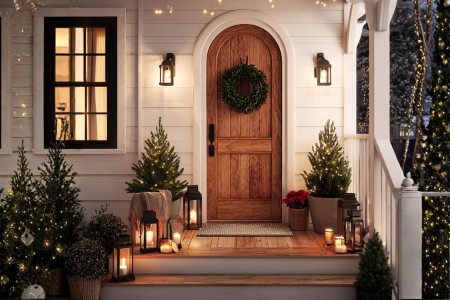
Refresh the Front Door
The front door naturally draws attention, making it one of the simplest ways to enhance curb appeal. A fresh coat of paint in deep red, navy, or forest green instantly revives the space. If painting isn’t an option, polish the hardware, replace the doormat, or add a decorative wreath with evergreen clippings and pinecones. A welcoming door makes a lasting first impression even before guests step inside.
Layer in Warm Lighting

Add Texture with Evergreens
Greenery is essential in winter when most plants are dormant. Planters filled with evergreen branches, berries, and twigs add life and structure to your porch or walkway. Choose varieties like cedar, pine, or boxwood that hold their color throughout the season. If your space allows, plant small shrubs or dwarf pines near the entrance. These details create depth and break up the monotony of a winter landscape.
Keep Walkways Clear and Welcoming
A tidy walkway shows care and makes your home more inviting. Regularly shovel snow, sweep leaves, and add a layer of sand or salt to prevent ice buildup. If you have stone or brick paths, consider sealing them before winter to protect against damage. Add a runner rug on your porch to provide traction and style. Clean, safe walkways signal that your home is well maintained and comfortable to approach.
Upgrade the Mailbox and House Numbers
Small features often make the biggest difference. Replace faded or rusted house numbers with modern ones in brushed metal or black matte finish. Paint or polish your mailbox and surround it with winter-hardy plants like ornamental cabbage or heather. These subtle changes add polish and personality without major expense or effort.
Decorate with Natural Accents

Add a Pop of Color
Winter landscapes often lean toward neutrals, so a splash of color can instantly brighten your home’s exterior. Consider a bold doormat, colorful planters, or even painted shutters in a rich hue. Deep tones like burgundy, dark teal, or mustard pair well with natural materials and make your house stand out against the winter backdrop.
Pay Attention to the Details
Little touches go a long way in creating charm. Clean the windows, repair peeling paint, and wipe down the light fixtures. Replace tired porch furniture with a small bench topped with cozy cushions or plaid blankets. Even if you’re not expecting guests, these details convey a sense of pride and warmth that people notice.
A home that looks cared for during winter radiates comfort and charm. When you focus on small upgrades, you can make your property look alive and inviting even in the coldest months. From the glow of soft lights to the freshness of greenery, each element plays a part in creating a welcoming atmosphere. With a bit of effort, your home can shine all season long and greet the new year with beauty and warmth.
As the Olympics draw to a close, I thought it would be fascinating to look at how homeownership — one of the most powerful symbols of stability and success — compares across countries.
Homeownership represents more than just a place to live. In many cultures, it reflects financial security, generational wealth, and personal achievement. Yet even in nations with strong ownership rates, affordability and economic conditions continue to shape the path to buying a home.
Below is a look at how six major countries compare in today’s housing market.
United States

The U.S. remains one of the more affordable developed markets based on its price-to-income ratio, making ownership attainable compared to many peers — even with elevated interest rates.
Canada

Canada’s ownership rate is strong, but affordability remains a serious challenge — especially in major metros like Toronto and Vancouver.
United Kingdom

While ownership remains culturally important, higher price-to-income ratios continue to strain first-time buyers across the UK.
France

France benefits from comparatively lower mortgage rates, but affordability ratios suggest that buyers still face meaningful income barriers.
Japan

Japan’s incredibly low interest rates are attractive, yet affordability challenges remain due to income dynamics and urban concentration.
Brazil

Brazil boasts one of the highest ownership rates among these countries, but high borrowing costs and affordability pressures create significant financial strain for buyers.
Key Takeaways
Why This Matters Locally
Global trends influence capital flows, interest rate policies, and investor activity — all of which impact local markets here at home. While every country faces unique housing challenges, the desire for homeownership remains universal. It is comforting to know that the US housing market remains one of the most desirable especially in terms of affordability.
If you’re thinking about buying, selling, or simply understanding how today’s market positions you for long-term wealth, I’m always happy to talk strategy.
Blessings,
Kim
Data sources: Trading Economics, World Population Review, and the Federal Reserve Bank of St. Louis. Statistics reflect 2025–2026 estimates.
Where the Experts are - Serving Flagstaff and Northern Arizona since 1977
 |
|
 |