Jesse Lapham
ABR, RENE, AHWD
Realty Executives Arizona Territory
<!doctype html>
Decoding the Arizona Purchase Contract — Clear, Engaging, and Exact
A clear, plain-English walkthrough of the Residential Resale Real Estate Purchase Contract so you know what you’re signing and why it matters.
Buying or selling a home in Arizona is exciting, and the contract is the roadmap that gets everyone from accepted offer to closing. Below is a concise translation of the key sections in the Arizona Association of REALTORS® Residential Resale Real Estate Purchase Contract.
It names the buyer(s) and seller(s), identifies the property, and sets the full purchase price and earnest money. Fixtures convey unless excluded; agreed personal property can be added.
Closing occurs when the deed records. Funds must be at escrow in time for the agreed date. Possession typically transfers at closing unless both parties agree otherwise.
Pro tip: All-cash buyers attach proof of funds. Failing to deliver closing funds after a cure notice can be a material breach that risks your earnest money.
Your obligation to close depends on getting loan approval without prior-to-document conditions at least three days before closing. You must keep the seller updated with the Loan Status Update when requested.
The property must appraise at or above the purchase price, unless you agree to proceed or cover any shortfall. If it appraises low, you have a short window to cancel and recover earnest money.
Pro tip: Not locking your rate or not having your down payment ready is not an excuse under the loan contingency.
Escrow delivers a title report and referenced documents. You generally have five days to review and object to issues that affect ownership or use.
Taxes, HOA dues, rents, irrigation, and certain fees are prorated as of the closing date. Escrow fees are typically split unless negotiated otherwise.
The seller provides the Seller’s Property Disclosure Statement and a five-year insurance claims history (or for the time owned). You can disapprove within your inspection timeline.
Homes built before 1978 require lead-based paint disclosure. Rural, non-subdivided transfers may require an Affidavit of Disclosure. FIRPTA rules apply if the seller is a foreign person.
The home is sold in its present physical condition as of contract acceptance. The seller must keep it substantially the same through closing and remove non-included personal property and debris.
Pro tip: Material, latent defects known to the seller must be disclosed. Buyers warrant they can perform and that they are not relying on verbal statements outside the contract.
Buyers typically have a 10-day inspection period to investigate condition, permits, insurance availability, square footage, flood status, and more. Pool barrier rules and wastewater/sewer status are buyer responsibilities to verify.
Final walkthroughs confirm agreed repairs and same condition. Either party can purchase a home warranty if negotiated.
Pro tip: Verbal discussions do not extend deadlines. Use the proper written forms and stay within timelines.
If someone does not perform, the other side may issue a three-day cure notice. If the issue is not cured, it becomes a breach—then the non-breaching party may cancel and/or pursue remedies. For certain buyer breaches, the seller may keep the earnest money as liquidated damages.
Disputes are mediated first; unresolved issues can go to binding arbitration unless a party opts out after mediation.
Every transaction is unique. If you’re buying or selling in Tucson or Southern Arizona, I can walk you through this contract line by line, coordinate inspections, and keep the deal on track.
If you’ve ever tried to read a real estate listing agreement cover-to-cover, you know it can feel like reading a warranty for a spaceship.
But here’s the thing: this document is hugely important. It sets the rules for how your home will be marketed, shown, and (fingers crossed) sold. And if you’re a buyer? You’ll want to know what it says, too—it can affect you more than you think.
Let’s break it down in plain English, keep it light, and make it worthwhile.
Think of it as your exclusive VIP contract with your real estate agent.
It’s your home-selling “define the relationship” conversation with your agent.
Your listing agreement spells out three different commission situations:
Reminder: Every part of commission is negotiable between you and your agent—there’s no one-size-fits-all number.
A listing agreement is less about fine print and more about setting clear expectations. When everyone understands the rules, selling a home runs smoother—and buying one feels less like a mystery novel.
If you’re ready to sell (or want to review the playbook), I’ll walk you through it in everyday language—no legal dictionary required.
Jesse Lapham | Realty Executives Arizona Territory
(520) 870-1142 | Tucson@azjesse.com
Why You Should Stop By an Open House
By Jesse Lapham, Your Trusted Tucson Real Estate Partner
You’ve seen the signs—maybe on your way to brunch or running errands. But what’s really the point of an open house?
Whether you're buying, selling, or just curious, open houses offer a chance to explore real estate in a way that’s casual, informative, and full of opportunity.
They’re not just about checking out a floor plan or granite countertops. They’re also one of the few places in real estate where you can meet a potential agent—in a neutral environment—without obligation.
While referrals are the gold standard for most buyers and sellers, sometimes it’s worth vetting someone for yourself. Open houses give you a chance to see how an agent communicates, how they represent a property, and whether their style clicks with your needs.
And if you’re thinking about selling? It’s the perfect way to get a feel for how your own home might show—and what buyers react to most.
The days of calling your friend who’s an agent and having them drop everything to open a door are mostly behind us.
With recent changes in industry practices and buyer agent compensation structures, most agents now require a signed agreement before showing a home. That agreement outlines how they’ll be paid and confirms your working relationship.
Understandably, many buyers hesitate to sign paperwork just to see one house.
That’s where open houses come in. They offer a no-pressure opportunity to walk through a home without committing to an agent up front. Just remember — the agent hosting the open house typically represents the seller. While you can certainly ask questions and gather insights, their duty is to the seller unless you choose to work with them directly.
Still, it’s a great way to explore a home, neighborhood, or even start building a connection with someone you might want to represent you down the road.
No matter your reason, it’s okay to just stop in, browse, and ask questions. There's no need to pretend you're further along in the process than you are.
Open houses are like open doors—welcoming you into the local market, one property at a time. Whether you're looking, learning, or just love real estate, there's value in showing up.
In fact, when someone calls me—even with the highest level of trust, like a referral from a past client—I often still invite them to stop by my next open house. Why? Because it’s a low-pressure, casual way to meet, observe, and start building the connection that matters most in any real estate journey.
And hey, if you're still searching for the right agent, let the experience guide you. Casual conversations often lead to trusted partnerships.
So the next time you see an “Open House” sign, take the detour. You might just find more than a great floor plan—you might find your next move.
azjesse.com | (520) 870-1142

When you think about buying a home, does your credit score make you hesitate?
You’re not alone.
One of the biggest misconceptions I see in Tucson real estate is that you need perfect credit to buy a home. But the truth is, many buyers qualify with scores lower than they think — and more options are available than most people realize.
That’s precisely why I created this guide.
It’s called "Buying a Home with Less-than-Perfect Credit in Tucson," and it’s designed to give you clear, pressure-free answers to some of the most common concerns I hear from buyers:
What kind of credit score do I really need?
How much do I need for a down payment?
What are my financing options if I’ve had financial hiccups?
Who actually pays the agent?
This guide doesn’t sugarcoat things. It’s based on what I’ve seen firsthand as a full-time Tucson Realtor who’s helped dozens of buyers with credit challenges succeed in competitive markets.
Inside, you’ll find:
? Credit myths debunked
? Real-world loan options
? Honest answers to tough questions
? Testimonials from Tucson buyers who’ve been there
? A simple plan to take your next step (if you’re ready — and only if you are)
You can read the guide at your own pace or download it for later.
Even if you’re just curious right now, this guide can give you the clarity you need to take your first step toward owning a home in Tucson, without the pressure.
?? Click here to read the full guide
If it sparks questions, I’m here to talk. And if it gives you peace of mind or a starting point, that’s a win too.
Let’s make homeownership more possible — one honest step at a time.
Embracing the Art of Real Estate Valuation: A Personalized Approach
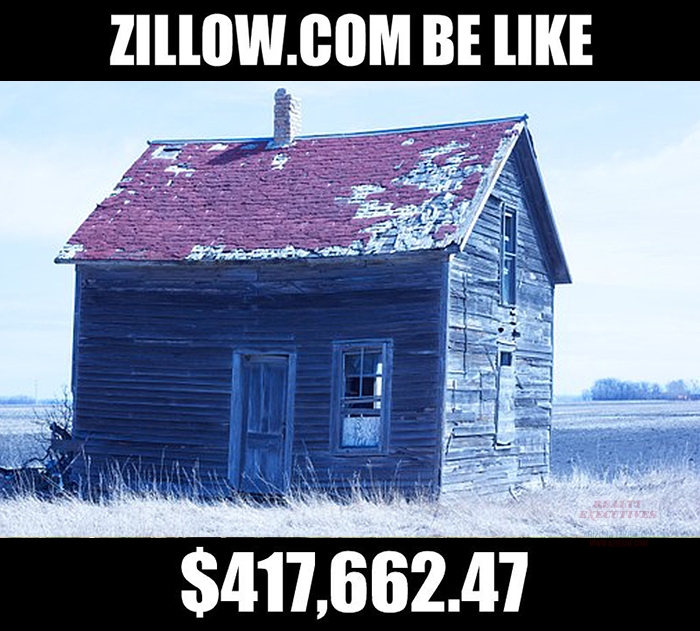
In today's digital age, automated systems and algorithms have become increasingly prevalent in various industries, including real estate. However, when determining a property's value, relying on tried and true methods and the human touch is essential. In this blog post, we will explore the art of real estate valuation and why embracing a personalized approach can make all the difference.
Understanding the Limitations of Automated Systems:
While automated valuation tools can provide a quick estimate, they often overlook crucial factors that impact a property's value. Factors such as unique features, local market conditions, and neighborhood trends require human expertise and evaluation. By embracing the art of real estate valuation, we can dig deeper and uncover the nuances that software algorithms may miss.
The Power of Personalized Service:
When you work with a Realtor® who values personalized service, you gain access to knowledge and experience. I am dedicated to understanding your property's unique characteristics, conducting thorough research, and conducting physical inspections to provide an accurate and reliable valuation. This hands-on approach ensures that every stone is turned into determining the true worth of your property.
Expert Evaluation: Going Beyond Numbers:
Valuing a property goes beyond simply crunching numbers. It requires an in-depth understanding of the local market dynamics, current trends, and future projections. As a real estate specialist for Tucson & Surrounding Areas, I intimately know the local market. I can provide you with an evaluation that considers all the relevant factors. By combining market insights, my expertise, and an eye for detail, we can arrive at a valuation that genuinely reflects the unique value of your property.
The Importance of Human Touch:
At the heart of embracing the art of real estate valuation is recognizing the importance of the human touch. Real estate is a deeply personal and emotional endeavor, and relying on technology alone may not capture the whole essence of a property. Collaborating closely ensures that your goals, aspirations, and unique property attributes are considered throughout the valuation process. Together, we can navigate the complexities of real estate and make informed decisions that align with your vision.
When valuing your property, don't settle for impersonal algorithms or guesswork. Embrace the art of real estate valuation and experience the difference a personalized approach can make. As a real estate specialist, I am committed to providing you with the highest level of service, expert evaluation, and attention to detail. Let's embark on this journey together and unlock the actual value of your property. Contact me today to schedule a consultation and discover the art of real estate valuation.