

Realty Executives Temecula Valley

Scott Doan

02248461 (951) 541-3498

Scott Doan

Realtor®

Realty Executives Temecula Valley

Blog

Bedroom Retreat: Simple Design Tips for a Restful Space

(Published on - 10/30/2026 10:25:23 PM)

Bedroom Retreat: Simple Design Tips for a Restful Space

A calm, softly lit bedroom with neutral bedding and minimal clutter designed for restful sleep.

The bedroom is arguably the most important room in a home for wellbeing, yet it’s often the last space to get any real design attention. Between busy schedules and other rooms that feel more “public,” bedrooms can end up as an afterthought, functional but far from restful. A few intentional design choices can change that, turning the bedroom into the genuine retreat it’s meant to be.


Choose a Calming Color Palette
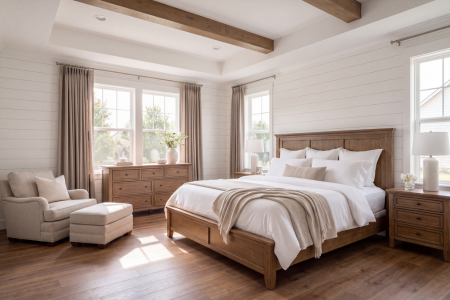
A bedroom with soft neutral colors and no clutter to create a serene space.

Color has a real effect on mood, and bedrooms benefit from tones that feel soothing rather than stimulating. Soft neutrals, muted blues, gentle greens, and warm, dusty tones tend to create a more restful atmosphere than bright, high-energy colors. This doesn’t mean the room needs to be boring; texture and subtle patterns can add interest without disrupting the calm.


Prioritize Comfortable, Quality Bedding

Bedding is one of the most direct ways to improve both the look and feel of a bedroom. Layering different textures, a soft duvet, a textured throw, and a few supportive pillows creates a cozy, inviting look while also genuinely improving comfort. Investing in quality sheets makes a noticeable difference in how restful the space actually feels, not just how it looks.


Control Light Thoughtfully

Light plays a major role in sleep quality and overall mood.

  • Blackout curtains or blinds help create a genuinely dark environment for better sleep, particularly useful for those sensitive to early morning light or streetlights.
  • Layer in soft, warm-toned lighting for evenings. Bedside lamps rather than harsh overhead lighting creates a more calming transition toward sleep.
  • If possible, let in natural light during the day; a bright, sunlit room in daytime hours supports a healthy circadian rhythm.


Declutter Ruthlessly

A cluttered bedroom rarely feels restful, regardless of how nice the furniture or bedding might be. Nightstands piled with random items, clothes draped over chairs, and general visual chaos all work against the sense of calm a bedroom should provide. Keep surfaces largely clear, with only a few intentional items, a lamp, a book, a small plant, rather than an accumulation of everyday clutter.


Invest in Good Storage

Much of bedroom clutter comes down to insufficient or poorly organized storage. A few improvements can make a real difference:

  • Under-bed storage bins for out-of-season items or extra linens
  • A dedicated hamper to keep dirty laundry off the floor
  • Closet organization systems that make it easy to put things away rather than leaving them out

When everything has a designated place, keeping the room tidy becomes far less effortful.


Minimize Screens and Technology

Bedrooms increasingly double as entertainment spaces, but televisions, laptops, and phones can work against the restful atmosphere a bedroom is meant to provide. If possible, consider keeping screens out of the bedroom entirely, or at least establish a habit of powering them down well before bedtime to support better sleep hygiene.


Bring in Natural Elements
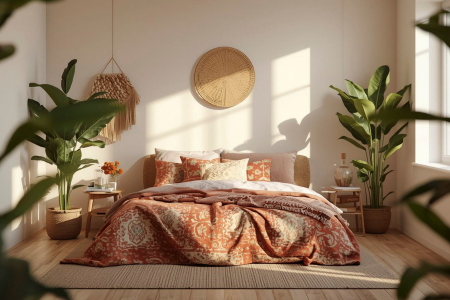
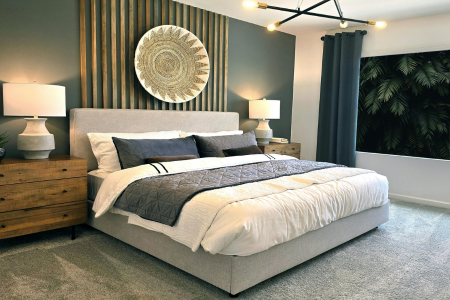
A bedroom with natural elements such as woven fibers and plants to create a restful space.

A few plants, natural wood tones, or woven textures add warmth and a sense of grounding to a bedroom without requiring a major design overhaul. Low-maintenance plants like a pothos or snake plant work well in bedrooms and add a subtle, calming touch of greenery.


Personalize Without Overcrowding

A restful bedroom doesn’t need to be sparse or impersonal, but it does benefit from restraint. A few meaningful pieces, artwork, a favorite photo, or a special item add warmth without tipping into visual clutter. The goal is a space that feels like yours without feeling busy.


A Retreat Worth Creating

The bedroom deserves the same design attention often reserved for more visible rooms in the home. A calming palette, quality bedding, thoughtful lighting, and a genuinely decluttered space can transform a purely functional bedroom into a true retreat.

Given how much time is spent there, even small improvements to this often-overlooked room can have an outsized impact on how rested and at ease you feel every single day.

 

Thank you,

Scott Doan Realtor®

(951) 541-3498

Realty Executives

28581 Old Town Front St. #100 

Temecula, Ca. 92591

doanhomesales@gmail.com

Buyers start here

Sellers start here

www.doan.realtor

DRE#02248461


The Basics of Composting: Turning Kitchen Scraps Into Garden Gold

(Published on - 9/23/2026 8:48:01 PM)
An outdoor compost pile for turning scraps into soil.

Composting has a reputation for being complicated, something reserved for serious gardeners with a lot of space and even more patience. In reality, composting is one of the simplest habits a household can pick up, and it works in a small apartment courtyard just as well as a sprawling backyard. If you’ve ever wondered what to do with all those vegetable peels and coffee grounds besides tossing them in the trash, composting is the answer, and it’s easier to start than you’d think.


Why Composting Is Worth the Effort

At its core, composting is just controlled decomposition. Organic material, food scraps, yard waste, and paper products break down over time into a rich, dark material called humus, which is packed with nutrients plants love. Instead of sending that material to a landfill, where it breaks down slowly and contributes to methane emissions, composting turns it into something genuinely useful for your own garden or houseplants.

Beyond the environmental upside, composting can noticeably reduce the amount of household trash you generate, since food scraps and yard waste often make up a surprisingly large share of what gets thrown away.


What You Actually Need to Get Started

You don’t need a fancy setup to compost successfully. The basics come down to:

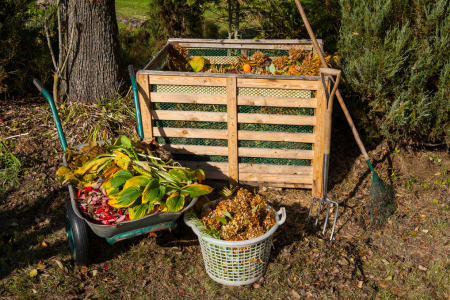
A bin, container, or area dedicated to a compost pile.
  • A bin or designated pile (a simple plastic bin, a wire enclosure, or even a large covered container works)
  • A mix of “greens” and “browns”
  • Occasional turning or mixing
  • Some patience, since compost typically takes a few months to fully mature

That’s it. No special equipment or advanced know-how required.


Understanding Greens and Browns

The key to good compost is balancing two categories of material:

  • Greens (nitrogen-rich): fruit and vegetable scraps, coffee grounds and filters, tea bags, fresh grass clippings, and eggshells.
  • Browns (carbon-rich): dried leaves, shredded newspaper or cardboard, straw, and sawdust from untreated wood.

A general rule of thumb is roughly two to three parts browns to one part greens. Too many greens can make a pile wet and smelly, while too many browns can slow decomposition down considerably. If your pile ever starts smelling unpleasant, adding more browns and turning the pile usually solves it.


What to Avoid When Composting

Not everything belongs in a compost pile. Steer clear of:

  • Meat, fish, dairy, and oily foods, which can attract pests and slow decomposition
  • Diseased plants, which can spread pathogens back into your garden
  • Pet waste, which can carry harmful bacteria
  • Glossy or heavily inked paper

Sticking to plant-based scraps and yard waste keeps the process simple and avoids most common composting headaches.


Composting Without a Yard

If you don’t have outdoor space, composting is still very much an option:

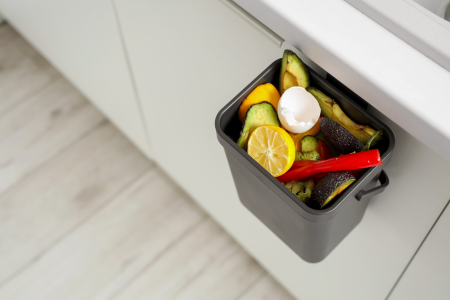
A small indoor container can be used to transfer scraps to a backyard compost bin.
  • Countertop compost bins collect scraps for a few days before you transfer them to a larger outdoor bin, a community compost program, or a neighbor’s setup.
  • Vermicomposting (composting with worms) works well indoors and is compact enough for an apartment, using a small bin of worms that break down scraps efficiently in a contained space.
  • Municipal or community composting programs are increasingly common; a quick search for your city or region can reveal drop-off locations or curbside collection options.


Keeping the Process Simple

A compost pile doesn’t need constant attention to succeed. A quick turn with a shovel or pitchfork every week or two helps aerate the pile and speeds up decomposition, but even a mostly neglected pile will break down eventually, just more slowly. If you’re new to composting, resist the urge to overthink it; the process is fairly forgiving, and small mistakes rarely ruin the whole batch.


Putting Finished Compost to Use

A person taking applying their compost and adding it to garden soil.

Once your compost turns dark, crumbly, and earthy-smelling, typically after a few months, it’s ready to use. Mix it into garden beds, work it into potting soil for container plants, or spread a thin layer around existing plants as a nutrient-rich mulch.

Composting is a small habit with a genuinely meaningful payoff: less waste heading to the landfill, and richer, healthier soil for whatever you’re growing, whether that’s a backyard vegetable patch or a single windowsill herb pot. Once the routine is in place, most people find it takes barely any extra effort at all.


Scott Doan Realtor®

(951) 541-3498

Realty Executives

28581 Old Town Front St. #100 

Temecula, Ca. 92591

doanhomesales@gmail.com

Buyers start here

Sellers start here

www.doan.realtor

CA DRE#02248461 | CA BK DRE#09198635


Caroline Doan
Loan Officer | Realtor® | C2 Financial | Reverse Mortgage Specialist
?? (951) 541-3498
?? cdoan@c2financial.com

Lender website
??12230 El Camino Real, Ste 100 | San Diego, CA 92130
C2 Financial Corp - NMLS #135622 | C2 CA DRE #01821025 |
CA NMLS # 2844028 | CA DRE #02248462


Small Bathroom, Big Impact: Design Tips and Tricks

(Published on - 9/23/2026 7:46:45 PM)
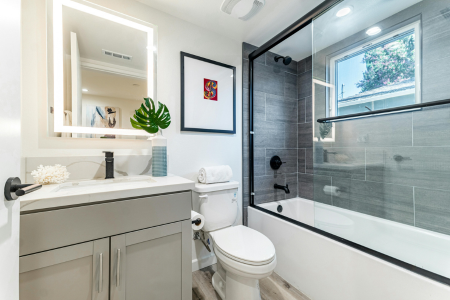
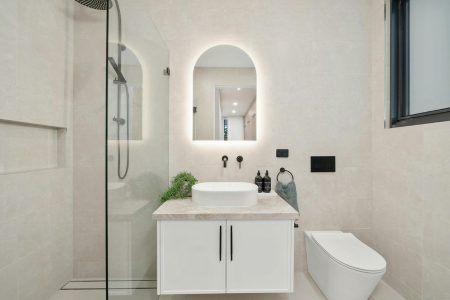
Small bathroom design tricks include using light, large tiles, decluttering, and maximizing natural light.

Not every home comes with a spacious bathroom, and that’s perfectly fine. Some of the most striking, well-designed bathrooms are small ones, precisely because smart design choices can make a compact space feel open, airy, and intentional rather than cramped. If your bathroom is on the smaller side, these design tricks can transform how it feels without requiring a full renovation.


Go Big on the Mirror

A large mirror is one of the single most effective ways to make a small bathroom feel bigger. Mirrors reflect light and visually double the sense of depth in a room. Instead of a small, framed mirror centered over the sink, consider extending it wall-to-wall or floor-to-ceiling where possible. Even a slightly oversized mirror in a standard frame makes a noticeable difference compared to an undersized one.


Choose Light, Cohesive Colors

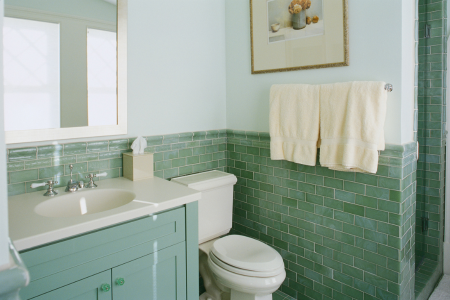
A light green tile can still be considered neutral in a bathroom.

Light colors reflect more light and create a sense of openness, while dark, busy patterns can visually shrink a small space. This doesn’t mean a small bathroom has to be entirely white; soft, warm neutrals, pale blues, or gentle greens all work well too. The key is cohesion: matching or closely coordinating your wall color, tile, and countertop keeps the eye moving smoothly through the space instead of stopping at abrupt color changes that make a room feel chopped up.


Maximize Natural and Artificial Light

Good lighting does a lot of heavy lifting in a small bathroom.

  • If there’s a window, keep window treatments minimal or sheer to let in as much natural light as possible.
  • Layer lighting with an overhead fixture plus vanity sconces on either side of the mirror, rather than relying on a single central light, which tends to cast shadows.
  • Choose warm-toned bulbs for a welcoming glow rather than harsh, clinical lighting.

A well-lit bathroom almost always reads as larger than a dim one, even at the exact same square footage.


Use Vertical Space for Storage

Floor space is precious in a small bathroom, so shifting storage upward keeps the room feeling open underfoot.

  • Wall-mounted or floating shelves add storage without visually crowding the floor.
  • A floating vanity (one that doesn’t touch the floor) creates the impression of more square footage by exposing the floor beneath it.
  • Recessed medicine cabinets use existing wall depth instead of protruding into the room.


Choose the Right Tile and Pattern Scale

Tile choice matters more in a small bathroom than a large one. Large-format tiles with fewer grout lines tend to make a floor feel more expansive, since the eye isn’t interrupted by frequent seams. If you love a patterned tile, consider using it as a single accent, a shower niche or a small feature wall, rather than covering every surface, which can quickly feel busy in a compact space.


Keep the Shower Enclosure Open

A clear shower enclosure makes a small bathroom feel larger.

If your bathroom has a shower, a clear glass enclosure (or no enclosure at all, for a fully open walk-in shower) lets sightlines carry through the entire room rather than stopping at an opaque curtain or frosted door. This single change often makes a bigger visual difference than any other update on this list.


Declutter Ruthlessly

Even a beautifully designed small bathroom feels cramped if every surface is covered in bottles, products, and loose items. Keep countertops as clear as possible, using drawer organizers and closed storage for everyday items, and display only a few intentional, decorative pieces. A tidy surface reads as spacious; a cluttered one reads as small, regardless of the room’s actual dimensions.


Small Space, Big Style

A small bathroom isn’t a design limitation, it’s an opportunity to make thoughtful, high-impact choices that a larger space might not require. With the right mirror, lighting, color palette, and storage strategy, even the coziest bathroom can feel bright, open, and well put-together. 

Whether you’re planning a full remodel or just refreshing what you already have, these tricks prove that square footage isn’t the only thing that determines how a room feels.


Scott Doan Realtor®

(951) 541-3498

Realty Executives

28581 Old Town Front St. #100 

Temecula, Ca. 92591

doanhomesales@gmail.com

Buyers start here

Sellers start here

www.doan.realtor

CA DRE#02248461 | CA BK DRE#09198635


Caroline Doan
Loan Officer | Realtor® | C2 Financial | Reverse Mortgage Specialist
?? (951) 541-3498
?? cdoan@c2financial.com

Lender website
??
12230 El Camino Real, Ste 100 | San Diego, CA 92130
C2 Financial Corp - NMLS #135622 | C2 CA DRE #01821025 |
CA NMLS # 2844028 | CA DRE #02248462


Simple Ways to Reduce Sand, Dirt, and Clutter

(Published on - 6/30/2026 5:21:27 PM)

Simple Ways to Reduce Sand, Dirt, and Clutter


One of the best parts of this time of year is how much more life happens outside. Weekends fill up with trips to the park, afternoons are spent in the yard, and family members seem to move constantly between indoor and outdoor spaces. The downside is that much of that activity follows everyone back inside.


If you’ve ever noticed a trail of grass clippings across the floor, sand gathering near the entryway, or sports equipment appearing in every room, you’re familiar with the challenge. A home can start to feel cluttered surprisingly fast when schedules become busier and outdoor activities increase.

Keeping ahead of the mess is usually easier than catching up to it. Small adjustments can help your home stay organized without requiring constant cleaning.


Stop the Mess Before It Spreads

The easiest dirt to clean is the dirt that never makes it past the front door.

Look at the entry points your household uses most often. It may be the front door, the garage entrance, or a door leading to the backyard. These areas often determine how much dirt and sand travel through the rest of the home.

A rug and simple storage solution near an entry door is designed to reduce dirt, sand, and clutter in the home.

A sturdy doormat can make a bigger difference than many homeowners realize. Pair it with a designated place for shoes, and you’ll immediately reduce some of the most common sources of mess. Even a simple bench with a basket underneath can create a convenient place to drop sandals, backpacks, and other items before they end up scattered throughout the house.

You don’t need a dedicated mudroom to create a more organized entryway. A few intentional additions can accomplish the same goal.


Give Seasonal Items a Permanent Home

One week gardening tools are sitting by the garage door. The next week beach towels are draped over chairs, and a cooler somehow never made it back to storage. Before long, seasonal items start claiming space throughout the house.

The challenge isn’t necessarily having too much stuff. It’s trying to remember where everything belongs.

Creating a dedicated spot for warm-weather essentials can make daily life noticeably easier. A shelf in the garage, a storage cabinet on the patio, or a few labeled bins in a closet can help keep frequently used items accessible without leaving them scattered around the home.
You’ll spend less time searching for what you need and less time moving the same items from room to room.


Make High-Traffic Areas Work with You

Every home has a few areas that collect much of the mess. It might be the hallway leading from the backyard, the kitchen entrance, or the route everyone takes after walking the dog.

Instead of trying to keep these spaces spotless, think about how they can better support everyday routines.

A washable rug makes cleaning simple and a way to address dirt and sand that collects in the home.

A washable runner, a basket for pet supplies, or a convenient place to drop damp towels can make cleanup easier from the start. The goal is not to create more chores. It’s to reduce the number of times you’re cleaning up the same mess.

When a space works with your routine rather than against it, keeping it tidy requires far less effort.


Don’t Forget About Outdoor Storage

Many indoor clutter problems begin outside.

Patios, decks, porches, and garages often become temporary storage areas for everything from gardening tools to outdoor games. Over time, those items tend to migrate indoors when there isn’t a clear place to keep them.

Outdoor storage benches, deck boxes, and simple shelving solutions can help keep these areas organized while making frequently used items easier to find.

An organized outdoor space also makes it easier to enjoy backyard gatherings, family meals, and relaxing evenings outside.


Build a Quick Reset into Your Week

Life gets busy, especially during seasons packed with activities and travel. Waiting until dirt, sand, and clutter becomes overwhelming usually makes the cleanup feel larger than it really is.

A short weekly reset can prevent small messes from becoming bigger frustrations. Putting away items that have accumulated during the week, wiping down or vacuuming surfaces, and returning things to their proper places often takes less time than expected.

The goal isn’t to maintain a picture-perfect home. It is to create a space that feels comfortable, functional, and ready for everyday life.


Enjoy Your Home Without Constant Cleanup

A busy season often means more guests, more activities, and more reasons to spend time outdoors. That’s part of what makes this time of year enjoyable.

A few practical adjustments can help your home keep pace with that activity. An organized entryway, thoughtful storage, and simple weekly resets won’t eliminate every mess, but they can prevent small issues from becoming bigger frustrations.

The result is a home that feels easier to live in, even during the busiest weeks. And that’s what many homeowners are really looking for: less time cleaning and organizing, and more time enjoying the spaces they’ve worked hard to create.


Thank you,
Scott and Caroline Doan Realtors®
(951) 541-3498
Realty Executives
28581 Old Town Front St. #100 
Temecula, Ca. 92591
doanhomesales@gmail.com
Buyers start here
Sellers start here
www.doan.realtor
DRE#02248461


Navigate Your Home's Wealth with Homebot: A Homeowner's Guide

(Published on - 6/30/2026 5:10:29 PM)

Navigate Your Home's Wealth with HomHomebot: A Homeowner's Guide


Unlock Your Home's Potential with Homebot:


A Smart Tool for Homeowners
As a homeowner, you know that your property is more than just a place to live; it's an investment that can grow in value over time. But how do you keep track of your home’s worth, understand market trends, and make informed financial decisions? Enter Homebot—a powerful tool designed to help you track your home wealth and take control of your financial future.

Track Your Home Wealth
Homebot allows you to keep a close eye on your home’s value, loans, equity, and market trends—all in one convenient platform. With Homebot, you can easily monitor how your investment is performing and make adjustments as needed. Whether you’re curious about your home’s current market value or want to understand how your equity is growing, Homebot provides you with the insights you need to stay informed.

Save More Money
One of the standout features of Homebot is its ability to show you the power of making extra principal payments or refinancing at the right time. By understanding your mortgage options and the impact of additional payments, you can save thousands of dollars in interest over the life of your loan. Homebot empowers you to make smart financial decisions that can lead to significant savings, enhancing your overall financial strategy.

Build Wealth Wisely

Knowing the right time to sell your home can be a daunting decision. With Homebot’s 'HOME WEALTH' report, you gain access to specific insights about your property’s value and the current market conditions. This comprehensive report equips you with the knowledge needed to understand the best time to sell, ensuring you maximize your investment and achieve the highest possible return. With accurate and timely information at your fingertips, you can confidently navigate the selling process.

Make Informed Decisions Faster
In today’s fast-paced real estate market, timing is everything. Homebot helps you know exactly when to buy, sell, rent, or remodel your home to maximize your investment. By providing real-time data and personalized insights, Homebot allows you to act quickly and strategically, ensuring that you capitalize on real estate opportunities as they arise, which can significantly enhance your financial portfolio.

A Free Service from Scott and Caroline Doan Realtors®
The best part? Homebot is a free service provided by Scott and Caroline Doan Realtors®. As experienced professionals in the real estate industry, Scott and Caroline are committed to helping homeowners like you navigate the complexities of the real estate market. They offer their expertise alongside Homebot, giving you a powerful ally in managing and growing your home wealth.

Conclusion
Don’t leave your home investment to chance. Take control of your financial future with Homebot. Track your home wealth, save money, build wealth wisely, and make informed decisions faster. Sign up for Homebot today and start unlocking the full potential of your home. With the dedicated support of Scott and Caroline Doan Realtors® by your side, you can confidently navigate the real estate landscape and achieve your financial goals.

Your home is more than just a roof over your head—it's a valuable asset. Let Homebot help you make the most of it!


Thank you,
Scott and Caroline Doan Realtors®
(951) 541-3498
Realty Executives
28581 Old Town Front St. #100 
Temecula, Ca. 92591
doanhomesales@gmail.com
Buyers start here
Sellers start here
www.doan.realtor
DRE#02248461

Posts

;

Questions? Need Advice? Complete this form for more information.

Contact Information::


Copyright 2026 Realty Executives All Rights Reserved

Realtor®

Scott Doan

Contact
Disclaimer: Each office independently owned and operated. Please disregard this message if you are already under contract with another real estate professional.