Carmela Pereira
Real Estate Professional
Realty Executives Elite Homes
Nestled in Morris County, New Jersey, Rockaway is a charming suburban town that many call home. Located within a reasonable commuting distance to New York City, Rockaway offers a unique blend of small-town charm with big-city accessibility. If you’re considering moving to Rockaway, here’s a quick guide with some pros and cons to help you make an informed decision.
1. Proximity to New York City
2. High-Quality Education
3. Ample Green Spaces and Outdoor Recreation
4. Tight-Knit Community Feel
5. Lower Cost of Living Compared to NYC
1. Commute Time and Costs
2. Limited Nightlife and Dining Options
3. Higher Property Taxes
4. Car Dependence
5. Winter Weather
Rockaway, NJ, offers a wonderful balance for those looking to enjoy a suburban lifestyle with access to NYC’s opportunities. With excellent schools, a supportive community, and plenty of outdoor recreation, it’s easy to see why Rockaway is a top choice for families, professionals, and nature lovers alike. However, potential residents should consider the costs, commute, and seasonal weather when deciding if Rockaway is the right place to call home.
One of the most memorable stories from my real estate career revolves around the sale of this particular home. I had been diligently assisting my buyers in their search for quite some time, but due to the competitive market conditions, we were encountering difficulties in getting an offer accepted. Eventually, we decided to submit an offer for a charming house located at 27 Stephen Pl in Rockaway. However, due to a multiple offer situation, we ended up being designated as a backup offer.
Undeterred, my buyers and I continued our search for alternative options. Several weeks later, I received an unexpected call inquiring whether my clients were still interested in the property. Their response was an enthusiastic "Of course!" With renewed hope, we resumed the process and engaged in a series of negotiations. Finally, after some back and forth, we successfully closed on the home.
Witnessing the joy and satisfaction on my clients' faces was truly rewarding. They have grown to adore the town and the neighborhood, making their dream home a reality. As a real estate agent, there is nothing more fulfilling than assisting people in finding their perfect home.
Youtube: https://youtu.be/haTrxFguHO4
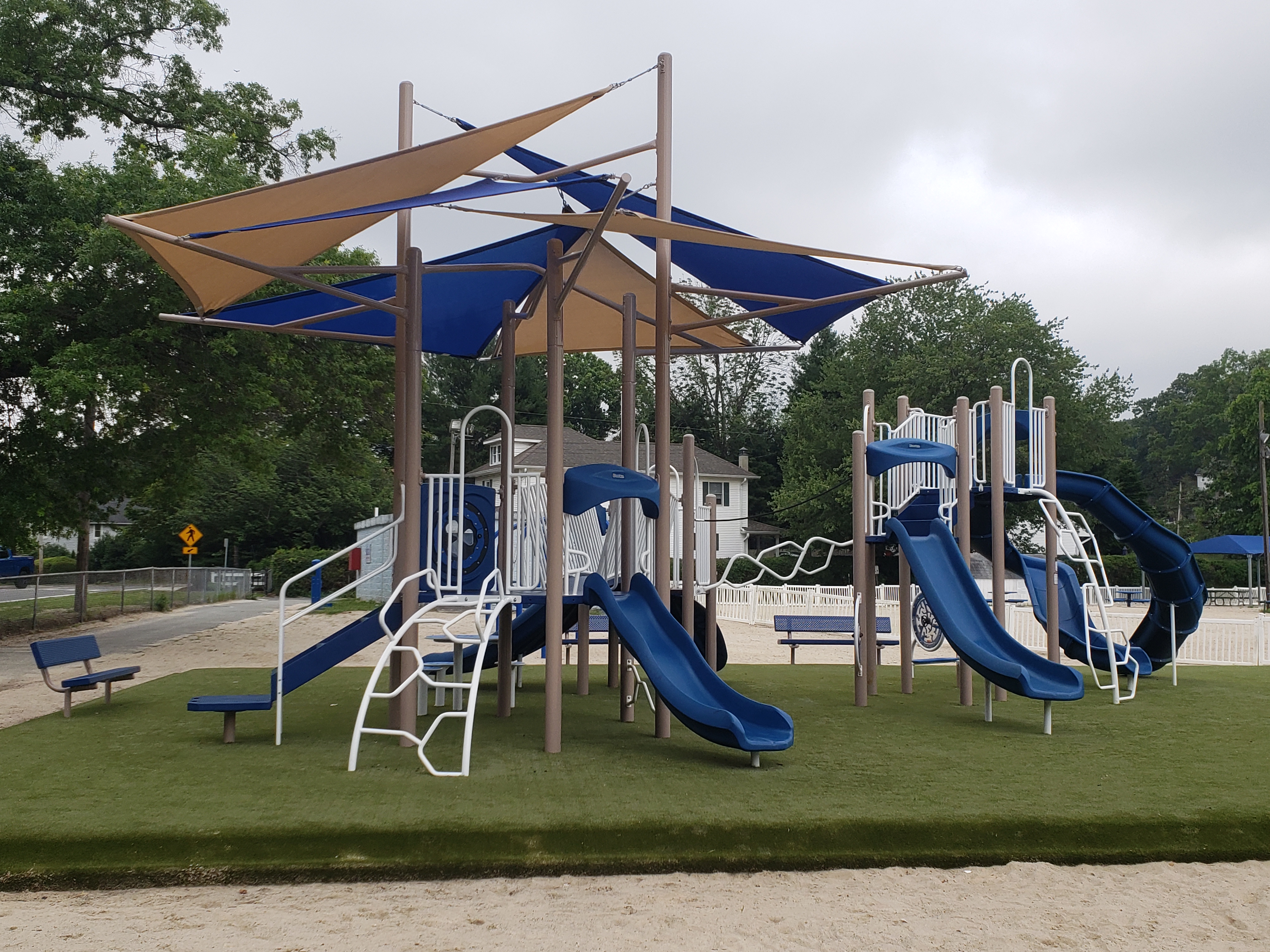
The new and improved playground at Parks Lake in Rockaway Borough opened in April this year. It's a big improvement over the old playground. The swing set/play area has been replaced with a newer one, and the turf has replaced with the old shredded tires. Playgrounds at other Borough parks such as Donatoni and Heady Park have been replaced as well. The playground is intended for children ages 5-12. The volleyball court has been updated with a new net and fresh sand. So far, it's a big hit!
The Borough hopes you enjoy our beautiful parks, and please keep pets, glass, and bikes off of the turf surface. The motto for this playground is “Where laughs are heard, memories are made and friendships begin”.
If you want to learn more about life in Rockaway Borough please feel free to reach out to me. I am a 23-year resident of the Borough so I have a deep knowledge of the area.
Introduction
Nestled in Morris County, New Jersey, the borough of Rockaway stands as a testament to the rich historical tapestry that has shaped the region over the centuries. Situated along the banks of the scenic Rockaway River, this charming community carries a heritage steeped in the legacy of early settlers, industrial development, and a resilient spirit that has withstood the test of time. Join us as we embark on a journey through the captivating history of Rockaway Borough, NJ.
Early Settlement and Industrial Growth
The story of Rockaway Borough begins with its early settlement by the Lenape Native Americans, who revered the natural beauty and abundant resources found in the area. European colonizers arrived in the 18th century, with Rockaway becoming a part of Morris County in 1759. The town's strategic location along the river facilitated the growth of early industries, including mills, forges, and tanneries, harnessing the power of the river to drive economic progress.
The Industrial Revolution brought significant changes to Rockaway Borough. Ironworks, such as the famous Split Rock Furnace, emerged as major contributors to the local economy, harnessing the rich iron ore deposits found in the region. The iron produced in Rockaway fueled the expansion of railroads, helped construct iconic landmarks like the Brooklyn Bridge, and played a crucial role in the country's infrastructure development.
Transformation into a Borough
Incorporated as a borough in 1894, Rockaway experienced a period of rapid growth and urbanization. The arrival of the Morris Canal in the early 19th century further enhanced the area's industrial potential, connecting it to major trade routes and enabling the transportation of goods. The bustling town attracted new residents, businesses, and institutions, laying the foundation for a thriving community.
Notable Landmarks and Architecture
Rockaway Borough boasts a range of architectural gems that harken back to its historic past. The
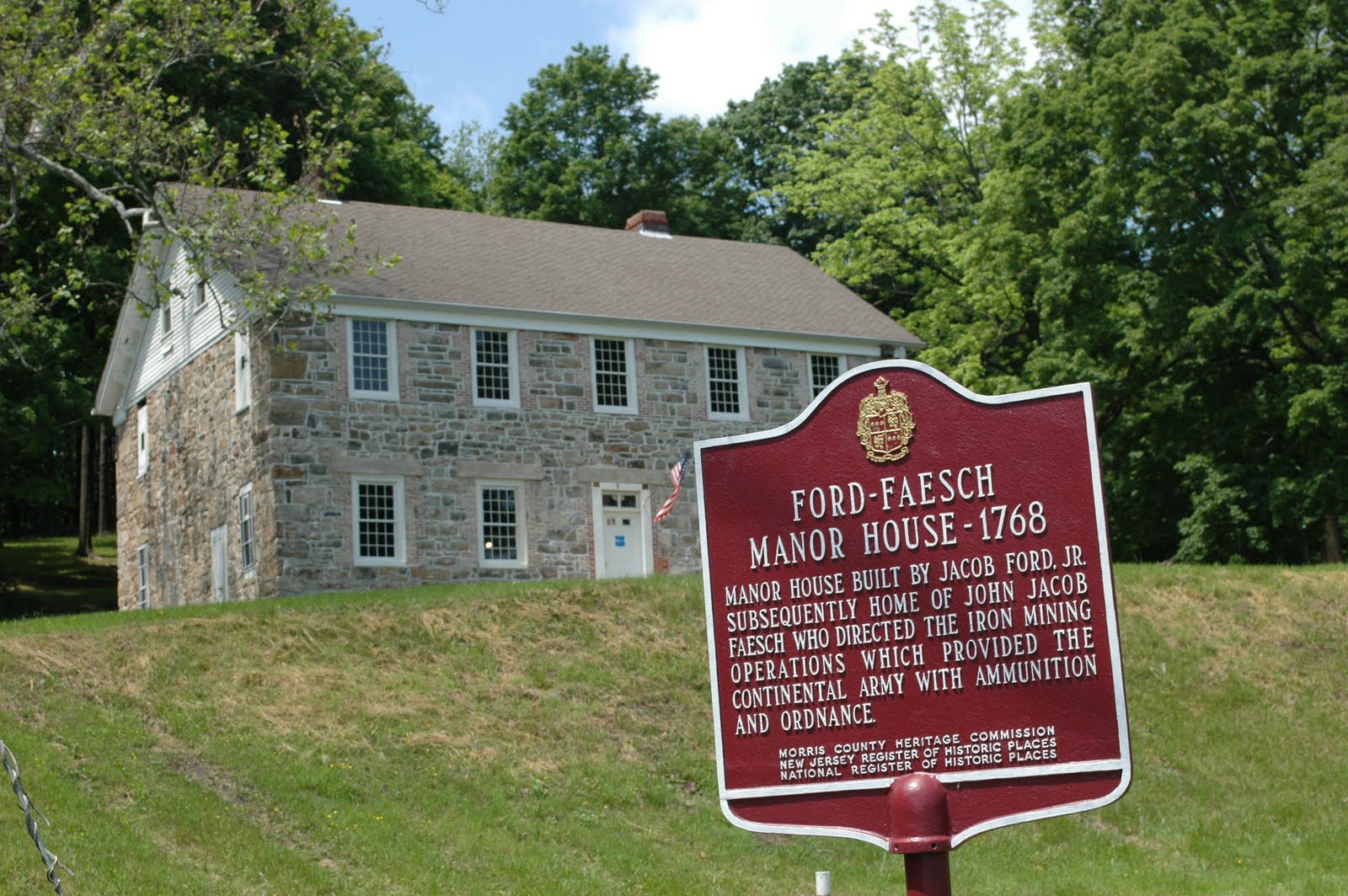
Ford-Faesch Manor House, a magnificent Georgian-style mansion built in 1768, stands as a testament to the area's colonial heritage. This well-preserved landmark now serves as the borough's municipal building and museum, offering visitors a glimpse into the town's history.
Additionally, the Rockaway River Historic District showcases a collection of charming Victorian-era homes, reflecting the architectural styles of the late 19th and early 20th centuries. These architectural treasures lend the borough a unique character, creating an ambiance that bridges the gap between the past and the present.
Modern Community and Preservation Efforts
As time progressed, Rockaway Borough evolved into a vibrant community, characterized by a strong sense of camaraderie and civic pride. Residents have worked diligently to preserve the borough's historic charm while embracing modern amenities and advancements.
The Rockaway River Canal and Greenway project exemplifies the community's commitment to preserving its natural beauty. 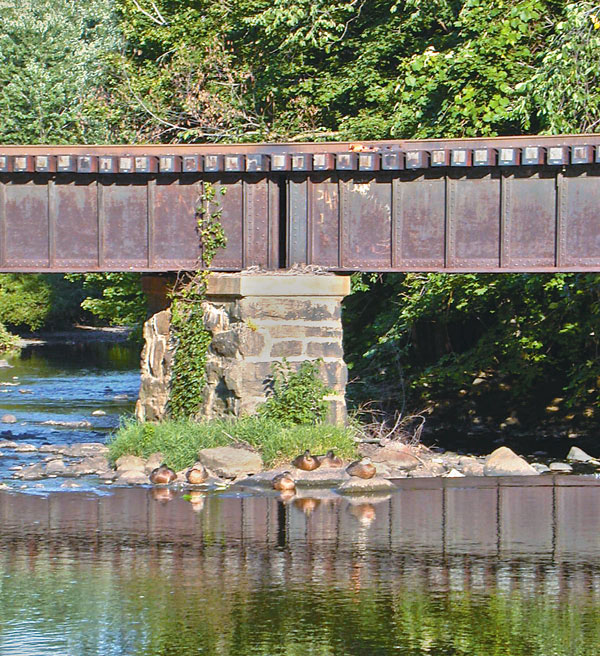
Conclusion
Rockaway Borough, NJ, is a testament to the resilience of a community that has weathered the tides of time. From its humble beginnings as a Lenape settlement to its pivotal role in the Industrial Revolution, the borough has witnessed transformative changes while retaining its historical essence. With a blend of architectural treasures, a vibrant community spirit, and a commitment to preserving its heritage, Rockaway Borough stands as a testament to the strength of a small town with a rich past.
As visitors and residents explore the charming streets of Rockaway Borough, they will undoubtedly uncover the layers of history that have shaped this exceptional community, creating a lasting legacy for future generations to appreciate and cherish.
A new year brings with it the opportunity for new experiences. If that resonates with you because you’re considering making a move, you’re likely juggling a mix of excitement over your next home and a sense of attachment to your current one.
A great way to ease some of those emotions and ensure you’re feeling confident in your decision is to keep these three best practices in mind.
The housing market shifted in 2022 as mortgage rates rose, buyer demand eased, and the number of homes for sale grew. As a seller, you’ll want to recognize things are different now and price your house appropriately based on where the market is today. Greg McBride, Chief Financial Analyst at Bankrate, explains:
“Price your home realistically. This isn’t the housing market of April or May, so buyer traffic will be substantially slower, but appropriately priced homes are still selling quickly.”
If you price your house too high, you run the risk of deterring buyers. And if you go too low, you’re leaving money on the table. An experienced real estate agent can help determine what your ideal asking price should be.
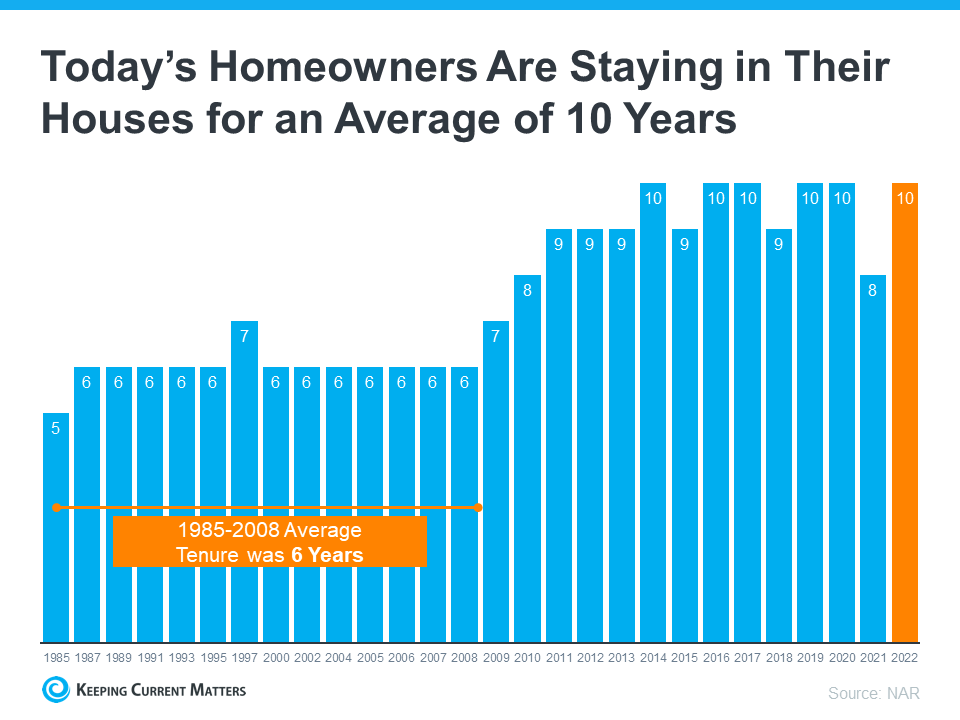
Today, homeowners are living in their houses longer. According to the National Association of Realtors (NAR), since 1985, the average time a homeowner has owned their home has increased from 5 to 10 years (see graph below):
This is several years longer than what used to be the historical norm. The side effect, however, is when you stay in one place for so long, you may get even more emotionally attached to your space. If it’s the first home you bought or the house where your loved ones grew up, it very likely means something extra special to you. Every room has memories, and it’s hard to detach from the sentimental value.
For some homeowners, that makes it even harder to negotiate and separate the emotional value of the house from fair market price. That’s why you need a real estate professional to help you with the negotiations along the way.
While you may love your decor and how you’ve customized your home over the years, not all buyers will feel the same way about your design. That’s why it’s so important to make sure you focus on your home’s first impression so it appeals to as many buyers as possible. As NAR says:
“Staging is the art of preparing a home to appeal to the greatest number of potential buyers in your market. The right arrangements can move you into a higher price-point and help buyers fall in love the moment they walk through the door.”
Buyers want to envision themselves in the space so it truly feels like it could be their own. They need to see themselves inside with their furniture and keepsakes – not your pictures and decorations. A real estate professional can help you with tips to get your house ready to sell.
Bottom Line
If you’re considering selling your house, reach out to a local real estate professional to help you navigate through the process while prioritizing these best practices.